
Poultry
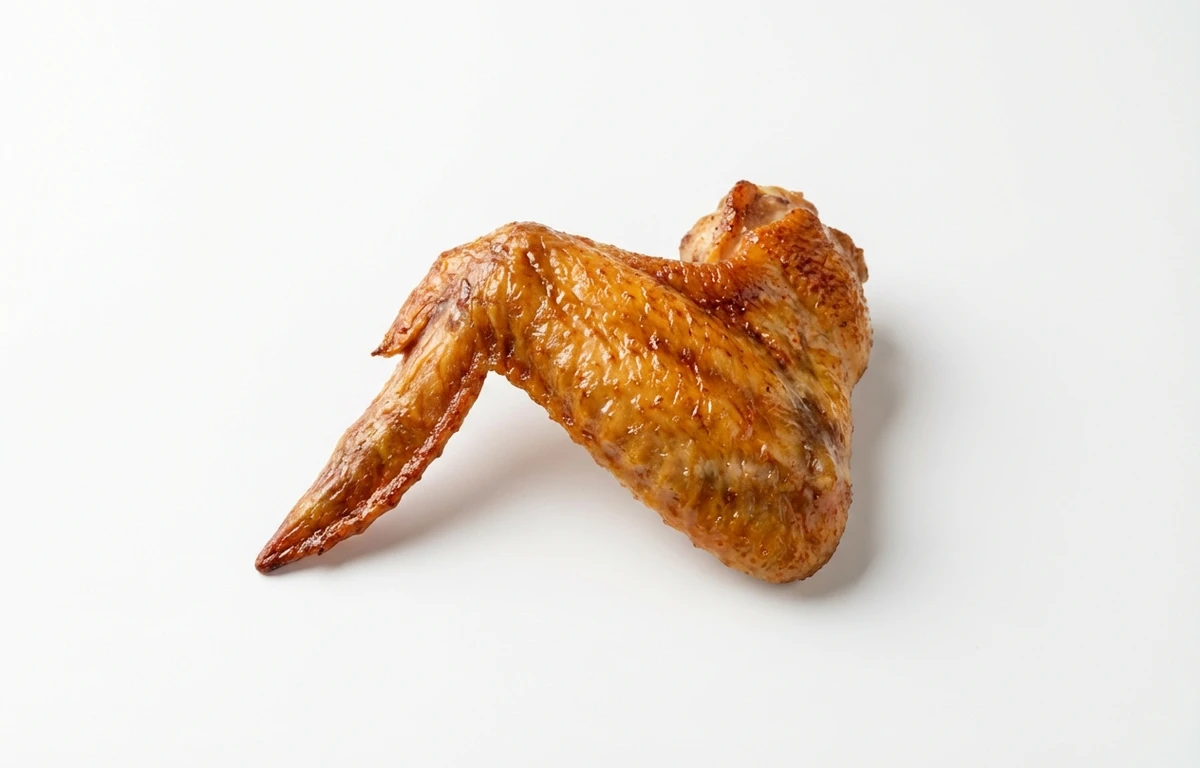
roasted turkey wing.
VegetarianVeganGluten-freeDairy-freeNut-freePeanut-freeSoy-freeEgg-freeShellfish-freeHoney-freeAlcohol-free
SERVING
CALORIES
229
PROTEIN
27.4g
CARBS
0g
FAT
12.4g
FIBER
0g
NUTRITION PROFILE · per 100 g
Everything in this ingredient.
MACRONUTRIENTS
Calories229kcal—
Protein27.4g55%
Carbohydrates0g0%
Fiber0g0%
Sugar0g0%
Total fat12.4g16%
Saturated fat3.4g17%
Cholesterol81mg27%
Water59.5g—
MINERALS
Sodium61mg3%
Potassium266mg6%
Calcium24mg2%
Iron1.5mg8%
Magnesium25mg6%
Phosphorus197mg16%
Zinc2.1mg19%
Copper0.06mg7%
Manganese0.02mg1%
Selenium29.9µg54%
VITAMINS
Vitamin A0µg0%
Vitamin C0mg0%
Vitamin D0.10µg1%
Vitamin E0.17mg1%
Vitamin K0µg0%
Thiamin (B1)0.05mg4%
Riboflavin (B2)0.13mg10%
Niacin (B3)5.7mg36%
Pantothenic acid (B5)0.58mg12%
Vitamin B60.42mg25%
Folate (B9)6.0µg2%
Vitamin B120.34µg14%
%DV based on a 2,000 cal diet. Source: USDA FoodData Central. A dash in the %DV column means there’s no established Daily Value for that nutrient.
MEASUREMENT CONVERSIONS
How much is what.
1 cup140g
1 tablespoon8.8g
1 teaspoon2.9g
1 ml0.6g
1 liter583.3g
1 piece280g
HEALTH BENEFITS
Why eat it.
- ✓Excellent source of high-quality protein, essential for muscle building, repair, and overall body function.
- ✓Rich in B vitamins, particularly niacin (B3) and B6, which support energy metabolism, brain function, and red blood cell formation.
- ✓Provides selenium, a powerful antioxidant that helps protect cells from damage and supports immune and thyroid health.
- ✓Contains tryptophan, an amino acid that is a precursor to serotonin, which can help regulate mood and sleep patterns.
COOKING TIPS
In the kitchen.
- 1To achieve extra crispy skin, pat the wings completely dry with paper towels before seasoning and roasting. A light dusting of baking powder mixed with salt can also help draw out moisture.
- 2Roast at a high temperature (400-425°F or 200-220°C) to render the fat and crisp the skin. Turning them halfway through ensures even cooking.
- 3The dark meat and connective tissue in wings become exceptionally tender with slow cooking methods. After an initial roast, they can be braised in stock or a savory sauce.
- 4Save the pan drippings after roasting to create a rich, flavorful gravy or sauce to serve with the wings.
STORAGE
Keep it fresh.
- Store leftover roasted turkey wings in an airtight container in the refrigerator at 40°F (4°C) or below and consume within 3-4 days.
- For longer storage, wrap wings tightly in plastic wrap or foil and place in a freezer-safe bag. They can be frozen for up to 4 months for best quality.
FAQ
Frequently asked questions.
Are roasted turkey wings healthy?
Yes, roasted turkey wings are a nutrient-dense source of high-quality protein and essential minerals like selenium. While they contain more fat than turkey breast, they provide B vitamins that support energy metabolism and brain function.
How much protein is in a roasted turkey wing?
A 100g serving of roasted turkey wing provides approximately 27.38g of protein. This high protein content is essential for muscle building, tissue repair, and maintaining a healthy immune system.
Are roasted turkey wings keto-friendly?
Yes, roasted turkey wings are excellent for a ketogenic or low-carb diet. They contain 0g of carbohydrates and provide a moderate amount of fat (12.43g per 100g), making them a perfect protein source for these dietary patterns.
Are roasted turkey wings gluten-free?
Naturally roasted turkey wings are gluten-free. However, if they are prepared with flour-based coatings, certain pre-packaged spice rubs, or served with gravy, they may contain gluten, so always check the ingredients used during preparation.
What is the best way to cook turkey wings?
Turkey wings are best roasted in the oven at 350°F (175°C) until the internal temperature reaches 165°F (74°C). Seasoning them with herbs and a small amount of oil helps the skin become crispy while keeping the meat succulent.
What do roasted turkey wings taste like?
They have a richer, more intense flavor than turkey breast because they consist of dark meat and more connective tissue. The texture is juicy and tender, especially when roasted slowly to break down the collagen.
How long do roasted turkey wings last in the fridge?
Cooked turkey wings can be safely stored in an airtight container in the refrigerator for 3 to 4 days. For the best quality, ensure they are cooled and refrigerated within two hours of cooking.
Can you freeze roasted turkey wings?
Yes, you can freeze roasted turkey wings for up to 3 months. Wrap them tightly in heavy-duty aluminum foil or place them in a freezer-safe bag to prevent freezer burn and maintain their flavor.
Do turkey wings help with sleep?
Turkey wings contain tryptophan, an amino acid that is a precursor to serotonin. Serotonin helps regulate mood and is converted into melatonin, which can help improve sleep quality and patterns.
How do I know if a roasted turkey wing has gone bad?
Signs of spoilage include a sour or ammonia-like smell, a slimy or sticky texture on the meat's surface, or any visible mold. If the meat has been left at room temperature for more than two hours, it should be discarded for safety.



















