
Protein10 recipes
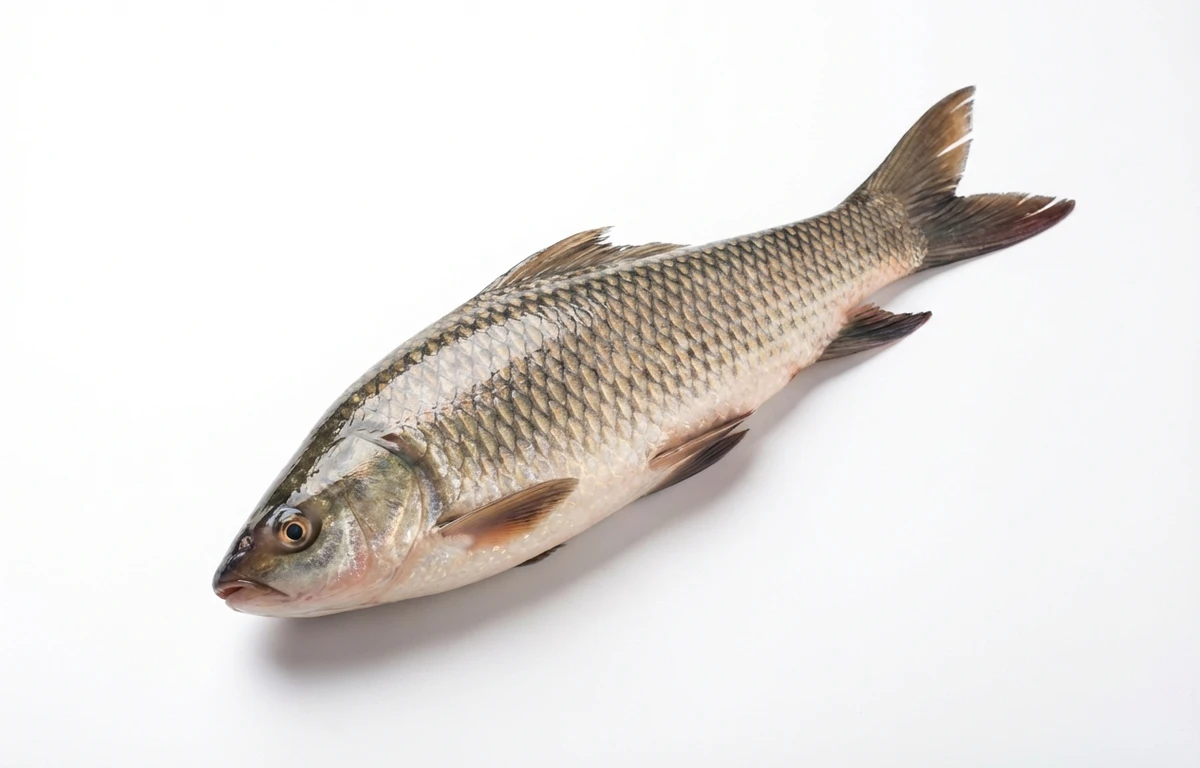
rohu carp fish.
VegetarianVeganGluten-freeDairy-freeNut-freePeanut-freeSoy-freeEgg-freeShellfish-freeHoney-freeAlcohol-free
ALSO KNOWN AS
rohu fishruirohu carp
SERVING
CALORIES
97
PROTEIN
18.3g
CARBS
0g
FAT
2.5g
FIBER
0g
This ingredient is flagged as naturally gluten-free. Per 100 g, it provides 0.10 µg of vitamin K.
NUTRITION PROFILE · per 100 g
Everything in this ingredient.
MACRONUTRIENTS
Calories97kcal—
Protein18.3g37%
Carbohydrates0g0%
Fiber0g0%
Sugar0g0%
Total fat2.5g3%
Saturated fat0.60g3%
Cholesterol50mg17%
MINERALS
Sodium50mg2%
Potassium300mg6%
Calcium30mg2%
Iron0.70mg4%
Magnesium29mg7%
Phosphorus204mg16%
Zinc0.73mg7%
Copper0.04mg4%
Manganese0.01mg0%
Selenium12.6µg23%
VITAMINS
Vitamin A10µg1%
Vitamin C0.80mg1%
Vitamin D24.9µg124%
Vitamin E0.20mg1%
Vitamin K0.10µg0%
Thiamin (B1)0.09mg8%
Riboflavin (B2)0.08mg6%
Niacin (B3)1.6mg10%
Pantothenic acid (B5)0.75mg15%
Vitamin B60.20mg12%
Folate (B9)15µg4%
Vitamin B122.0µg83%
%DV based on a 2,000 cal diet. Source: USDA FoodData Central. A dash in the %DV column means there’s no established Daily Value for that nutrient.
MEASUREMENT CONVERSIONS
How much is what.
1 cup248.4g
1 tablespoon15.8g
1 teaspoon5.3g
1 ml1.1g
1 liter1050g
1 piece150g
HEALTH BENEFITS
Why eat it.
- ✓Excellent source of high-quality, complete protein necessary for muscle building and tissue repair.
- ✓Contains significant amounts of Vitamin B12, vital for nerve function and the formation of red blood cells.
COOKING TIPS
In the kitchen.
- 1Rohu has a firm texture and a mild, slightly sweet flavor, making it highly suitable for traditional South Asian curries like 'Macher Jhol'.
- 2For frying, marinate the fish pieces in a paste of turmeric, chili powder, salt, and ginger-garlic for at least 20-30 minutes before shallow frying in mustard oil for an authentic taste.
- 3To prevent the fish from breaking apart in curries, lightly fry the pieces first before adding them to the gravy towards the end of the cooking process.
- 4The fish is cooked when its flesh turns opaque and flakes easily when tested with a fork. Be careful not to overcook as it can become dry.
STORAGE
Keep it fresh.
- Store fresh rohu in the coldest part of the refrigerator (at or below 40°F / 4°C) and use within 1-2 days of purchase.
- For freezing, wrap the fish tightly in plastic wrap and then in aluminum foil or a freezer bag. It can be stored at 0°F (-18°C) for up to 3 months.
FAQ
Frequently asked questions.
How much protein is in rohu fish?
Rohu fish contains approximately 18.3 grams of protein per 100-gram serving. This makes it a complete protein source, providing all essential amino acids needed for muscle repair and growth.
Is rohu fish keto-friendly?
Absolutely. Rohu fish contains 0 grams of carbohydrates, making it an ideal choice for ketogenic and low-carb diets. Its healthy fat content and high protein profile align perfectly with keto nutritional goals.
Is rohu fish gluten-free?
In its natural state, rohu fish is 100% gluten-free. However, you should be cautious with preparations like breaded or deep-fried fish, as the coatings or batters used during cooking often contain wheat flour.
What does rohu fish taste like?
Rohu has a mild, non-fishy flavor with a slightly sweet undertone. Its texture is firm and flaky, which allows it to absorb spices and gravies exceptionally well, making it a staple in South Asian curries.
How do you cook rohu fish?
Rohu is versatile and can be fried, grilled, steamed, or cooked in a curry. A common method involves marinating the pieces with turmeric and salt before shallow-frying or simmering them in a spicy mustard or tomato-based gravy.
Does rohu fish have many bones?
Yes, rohu is known for having many small, fine intramuscular bones known as pin bones. It requires careful cleaning and mindful eating, though larger fish generally have bones that are easier to identify and remove.
How do you know if rohu fish is fresh?
Fresh rohu should have clear, bulging eyes, bright red gills, and firm flesh that springs back when pressed. It should have a mild, clean water scent rather than a strong, pungent, or sour 'fishy' odor.
How long does rohu fish last in the fridge?
Fresh rohu should be consumed within 1 to 2 days if stored in the coldest part of the refrigerator. For longer storage, it can be frozen for up to 3 to 6 months, though the texture and flavor are best when eaten fresh.
RECIPES
Cook with rohu carp fish.
10 recipes · sorted by what’s quick



















