
Protein2 recipes
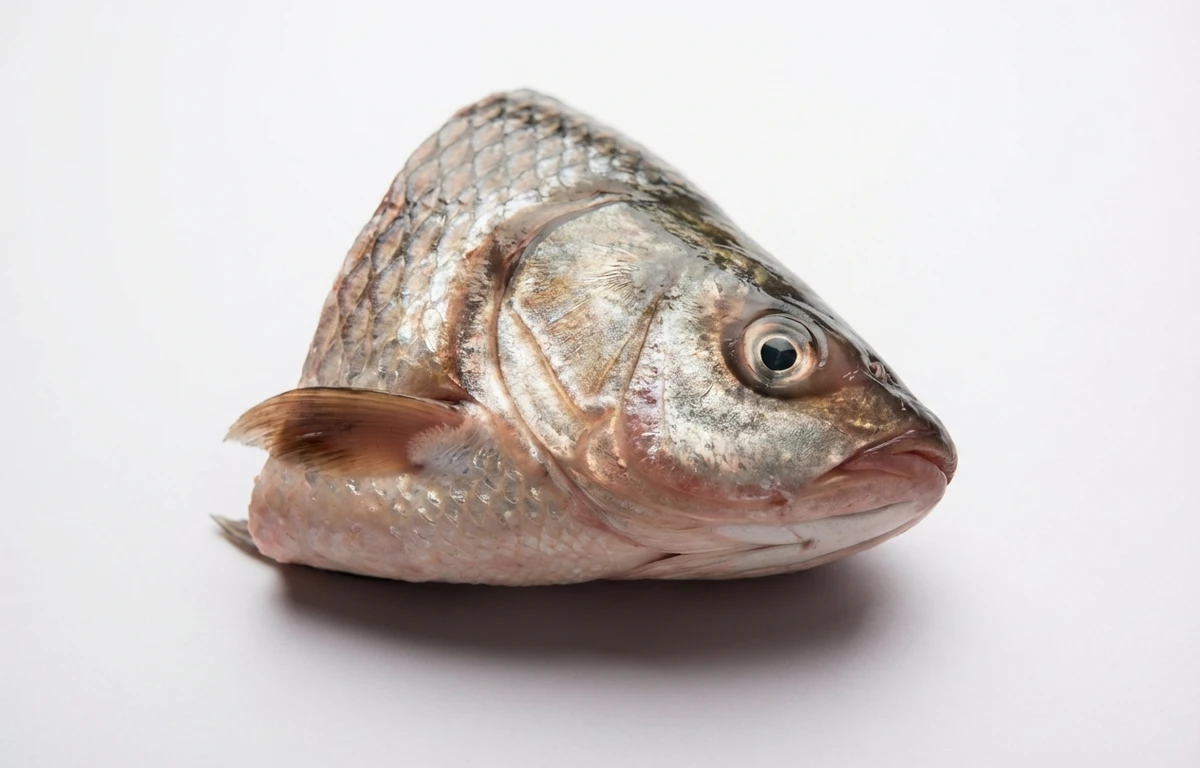
rohu fish head.
VegetarianVeganGluten-freeDairy-freeNut-freePeanut-freeSoy-freeEgg-freeShellfish-freeHoney-freeAlcohol-free
SERVING
CALORIES
135
PROTEIN
16.5g
CARBS
0g
FAT
7.8g
FIBER
0g
This ingredient is flagged as naturally gluten-free. Per 100 g, it provides 0.10 µg of vitamin K.
NUTRITION PROFILE · per 100 g
Everything in this ingredient.
MACRONUTRIENTS
Calories135kcal—
Protein16.5g33%
Carbohydrates0g0%
Fiber0g0%
Sugar0g0%
Total fat7.8g10%
Saturated fat1.9g10%
Trans fat0g—
Cholesterol75mg25%
Water74.2g—
MINERALS
Sodium72mg3%
Potassium260mg6%
Calcium180mg14%
Iron1.4mg8%
Magnesium35mg8%
Phosphorus210mg17%
Zinc1.2mg11%
Copper0.08mg9%
Manganese0.05mg2%
Selenium28.5µg52%
VITAMINS
Vitamin A85µg9%
Vitamin C0mg0%
Vitamin D8.2µg41%
Vitamin E0.90mg6%
Vitamin K0.10µg0%
Thiamin (B1)0.06mg5%
Riboflavin (B2)0.12mg9%
Niacin (B3)2.4mg15%
Pantothenic acid (B5)0.40mg8%
Vitamin B60.20mg12%
Folate (B9)12µg3%
Vitamin B122.8µg117%
%DV based on a 2,000 cal diet. Source: USDA FoodData Central. A dash in the %DV column means there’s no established Daily Value for that nutrient.
MEASUREMENT CONVERSIONS
How much is what.
1 piece250g
HEALTH BENEFITS
Why eat it.
- ✓Excellent source of high-quality, complete protein necessary for muscle building and tissue repair.
- ✓Provides collagen from the skin and cartilage, which can improve skin elasticity and support joint health.
COOKING TIPS
In the kitchen.
- 1Thoroughly clean the head before cooking, ensuring the gills and any blood clots are removed to avoid a bitter taste.
- 2Ideal for making rich, flavorful fish stock or broth by simmering with aromatics like ginger, turmeric, and onions.
- 3In South Asian cuisine, it is often fried until crispy or used as the main ingredient in curries like Bengali 'Muri Ghonto' (a dish with rice and fish head).
- 4The meat from the cheeks and collar is considered a delicacy; it is exceptionally tender and flavorful when steamed, grilled, or added to soups.
STORAGE
Keep it fresh.
- For fresh use, store in the coldest part of the refrigerator (below 40°F or 4°C) in an airtight container and consume within 1-2 days.
- For long-term storage, wrap the head tightly in plastic wrap and place it in a freezer-safe bag. It can be frozen at 0°F (-18°C) for up to 3 months.
FAQ
Frequently asked questions.
How much protein is in rohu fish head?
A 100g serving of rohu fish head contains approximately 16.5g of high-quality, complete protein. This makes it an excellent source for muscle repair, tissue maintenance, and overall body growth.
Is rohu fish head keto-friendly?
Yes, rohu fish head is very keto-friendly as it contains 0g of carbohydrates and a healthy amount of fat (7.8g per 100g). It fits perfectly into low-carb and ketogenic dietary patterns.
How do you cook rohu fish head?
It is commonly used in South Asian cuisine to make dishes like 'Muri Ghonto' (a fish head and rice dish) or rich dal. Before cooking, it should be cleaned thoroughly, split in half, and usually lightly fried with turmeric and salt to enhance flavor and remove any raw smell.
What does rohu fish head taste like?
It has a rich, savory, and slightly sweet flavor with a gelatinous texture due to the high collagen and fat content. The cheek meat is considered the most tender part, while the brain offers a creamy, delicate consistency.
How can I tell if a rohu fish head is fresh?
Look for clear, bulging eyes and bright red or pink gills. The skin should be shiny and firm to the touch, and the head should have a mild, fresh scent rather than a strong or unpleasant 'fishy' odor.
How should I store rohu fish head?
Fresh rohu fish head should be stored in the coldest part of the refrigerator and consumed within 1-2 days. For longer storage, it can be frozen for up to 3 months, though it is best to clean and pat it dry before freezing.
Which parts of the rohu fish head are edible?
Almost the entire head is edible, including the brain, eyes, and the meat found in the cheeks. The cartilage and skin are also highly valued for their collagen content, though the hard, thick bones should be discarded.
Is rohu fish head gluten-free?
Naturally, rohu fish head is 100% gluten-free. However, when ordering in restaurants or following recipes, ensure that it hasn't been dusted in flour before frying or cooked with sauces containing gluten.
RECIPES
Cook with rohu fish head.
2 recipes · sorted by what’s quick



















