
Protein
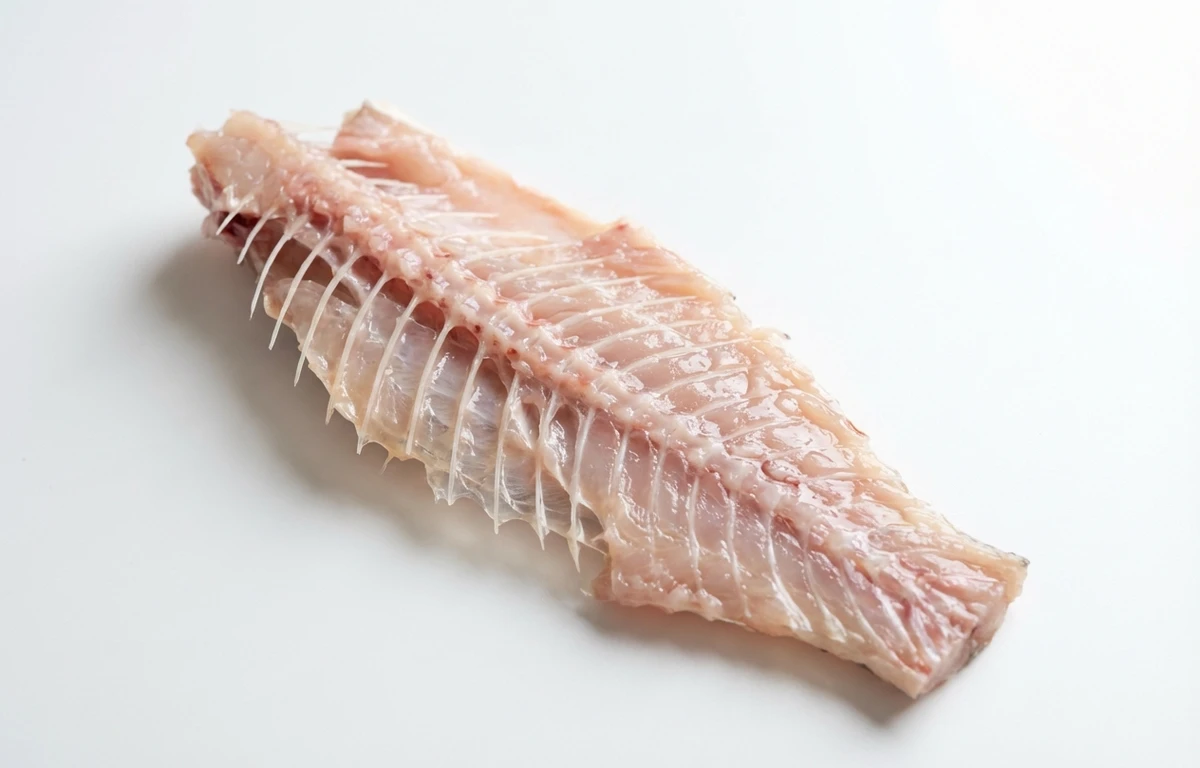
rohu fish spine.
VegetarianVeganGluten-freeDairy-freeNut-freePeanut-freeSoy-freeEgg-freeShellfish-freeHoney-freeAlcohol-free
SERVING
CALORIES
135
PROTEIN
19.2g
CARBS
0g
FAT
6.4g
FIBER
0g
This ingredient is flagged as naturally gluten-free. Per 100 g, it provides 0.10 µg of vitamin K.
NUTRITION PROFILE · per 100 g
Everything in this ingredient.
MACRONUTRIENTS
Calories135kcal—
Protein19.2g38%
Carbohydrates0g0%
Fiber0g0%
Sugar0g0%
Total fat6.4g8%
Saturated fat1.8g9%
Trans fat0g—
Cholesterol65mg22%
Water72.5g—
MINERALS
Sodium78mg3%
Potassium280mg6%
Calcium450mg35%
Iron1.2mg7%
Magnesium35mg8%
Phosphorus380mg30%
Zinc0.90mg8%
Copper0.05mg6%
Manganese0.02mg1%
Selenium25µg45%
VITAMINS
Vitamin A15µg2%
Vitamin C0mg0%
Vitamin D2.5µg13%
Vitamin E0.40mg3%
Vitamin K0.10µg0%
Thiamin (B1)0.05mg4%
Riboflavin (B2)0.08mg6%
Niacin (B3)2.1mg13%
Pantothenic acid (B5)0.30mg6%
Vitamin B60.15mg9%
Folate (B9)5.0µg1%
Vitamin B121.8µg75%
%DV based on a 2,000 cal diet. Source: USDA FoodData Central. A dash in the %DV column means there’s no established Daily Value for that nutrient.
MEASUREMENT CONVERSIONS
How much is what.
1 oz28.4g
1 lb453.6g
1 piece200g
HEALTH BENEFITS
Why eat it.
- ✓Excellent source of calcium and phosphorus, crucial for building and maintaining strong bones and teeth.
- ✓Rich in collagen, which supports joint health, skin elasticity, and the integrity of connective tissues.
- ✓Provides Omega-3 fatty acids from residual meat and marrow, which are beneficial for cardiovascular and brain health.
- ✓Can be used to make a nutrient-dense broth that is hydrating and provides easily digestible minerals.
COOKING TIPS
In the kitchen.
- 1Simmer the spine with aromatics like ginger, turmeric, and bay leaves for at least an hour to create a flavorful and nutritious fish stock for soups and curries.
- 2In some Bengali dishes, the spine and bones are fried until crisp and then added to curries ('Muri Ghonto') for texture and flavor.
- 3Pressure cooking the spine can help soften the bones, making it easier to extract maximum nutrients and collagen into a broth.
- 4After making stock, strain the liquid thoroughly to remove all small bone fragments before using it as a base for other dishes.
STORAGE
Keep it fresh.
- For fresh use, refrigerate immediately at or below 40°F (4°C) in a sealed container and consume within 1-2 days.
- For longer storage, freeze at 0°F (-18°C) or lower. Wrap tightly in plastic wrap and place in a freezer-safe bag to prevent freezer burn; use within 3 months for best quality.
FAQ
Frequently asked questions.
Is rohu fish spine healthy?
Yes, rohu fish spine is highly nutritious, particularly for bone and joint health. It is an excellent source of calcium, phosphorus, and collagen, which support skeletal strength and skin elasticity while being relatively low in calories.
How much protein is in rohu fish spine?
Rohu fish spine contains approximately 19.2g of protein per 100g. This high protein content, combined with residual meat and marrow, makes it an effective ingredient for muscle maintenance and repair.
Is rohu fish spine keto-friendly?
Yes, rohu fish spine is excellent for keto and low-carb diets as it contains 0g of carbohydrates. Its combination of high protein and 6.4g of healthy fats per 100g fits well within ketogenic nutritional profiles.
What are the primary health benefits of rohu fish spine?
The spine is rich in calcium and phosphorus for strong bones, and collagen for joint and skin health. It also provides Omega-3 fatty acids from the marrow, which support cardiovascular and brain function.
How do you cook rohu fish spine?
The most common method is simmering it to create a nutrient-dense broth or soup. You can also pressure cook the spine until the bones become soft and edible, allowing you to consume the minerals directly.
Can you eat the bones of the rohu fish spine?
Yes, the bones can be eaten if they are cooked thoroughly, such as in a pressure cooker, until they reach a soft consistency. This is the most efficient way to ingest the high levels of calcium and phosphorus found in the ingredient.
How do you store rohu fish spine?
Fresh rohu fish spine should be stored in the refrigerator and used within 1-2 days. For long-term storage, it can be frozen in an airtight container or freezer bag for up to 3 months.
What does rohu fish spine taste like?
It has a mild, slightly sweet, and savory flavor typical of freshwater carp. When boiled, it produces a rich, gelatinous broth with a deep umami profile derived from the marrow and collagen.
How do you know if rohu fish spine is fresh?
Fresh rohu fish spine should have a mild, clean scent of fresh water and should not smell 'fishy' or like ammonia. Any remaining meat on the spine should be firm and not feel slimy to the touch.



















