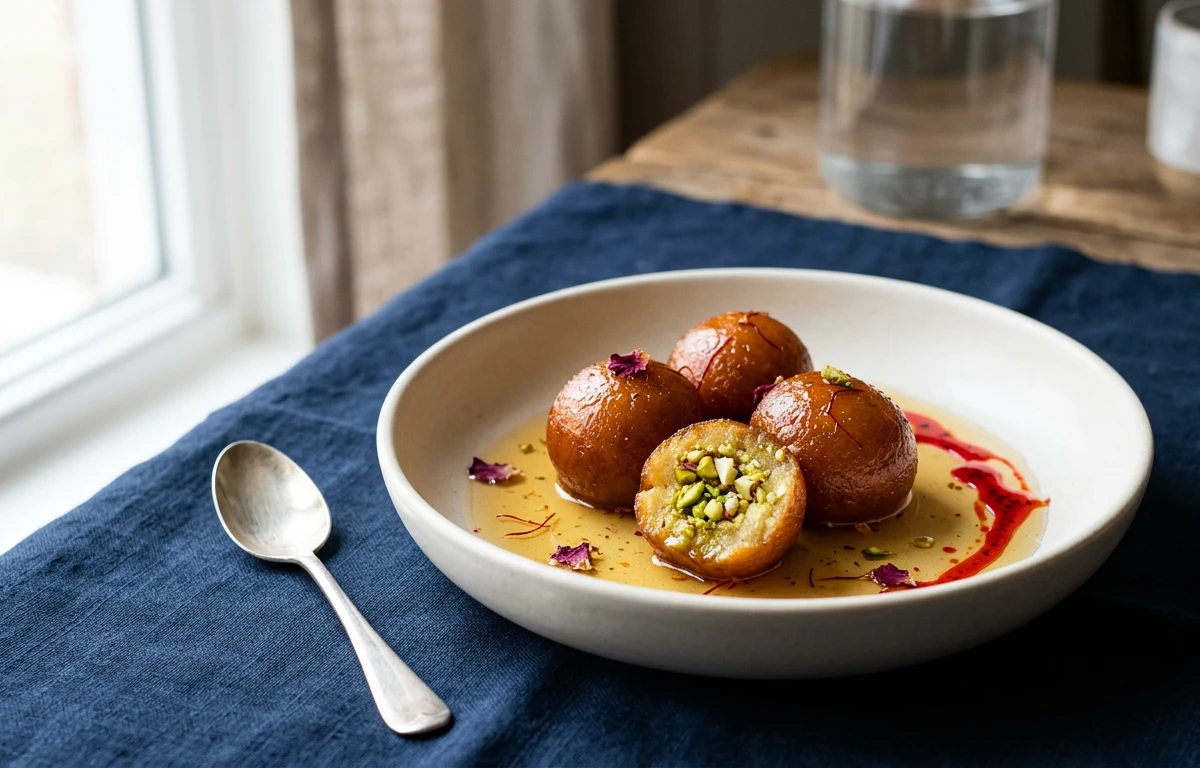
Other1 recipes
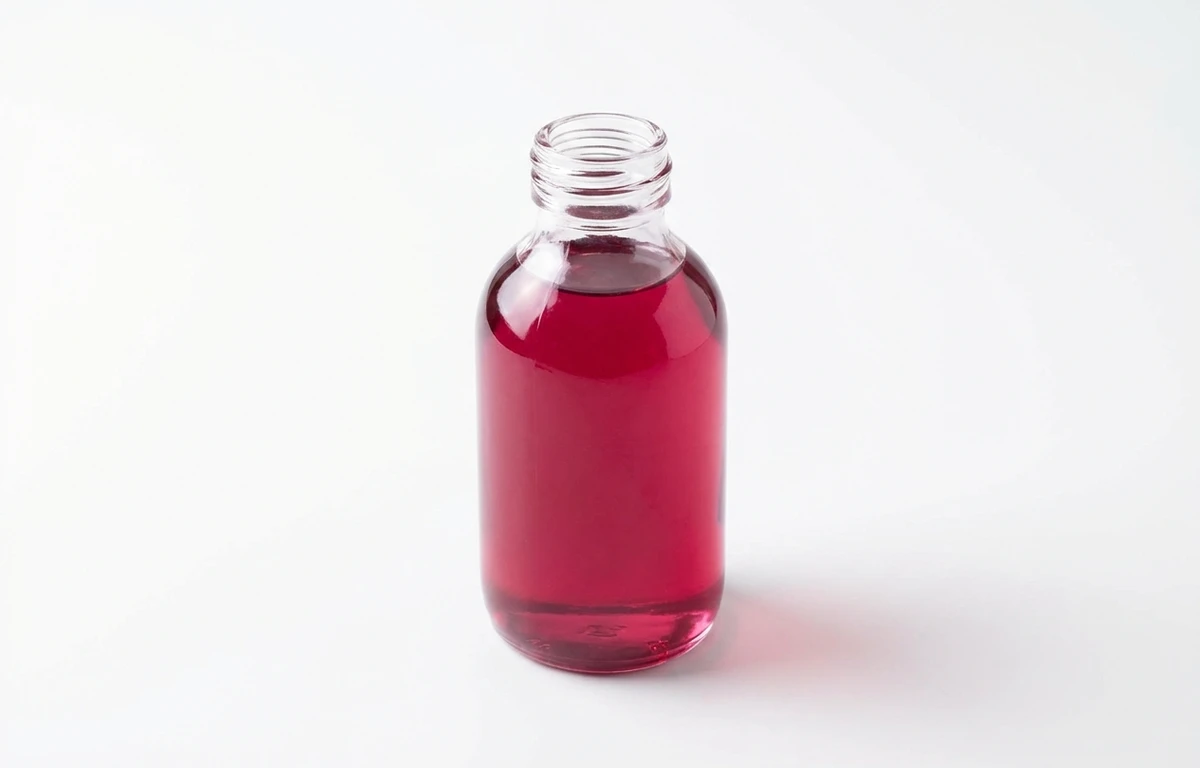
rose syrup.
VegetarianVeganGluten-freeDairy-freeNut-freePeanut-freeSoy-freeEgg-freeShellfish-freeHoney-freeAlcohol-free
ALSO KNOWN AS
gulab sharbatrose cordialrose concentraterose flavored syrup
SERVING
CALORIES
260
PROTEIN
0g
CARBS
65g
FAT
0g
FIBER
0g
This ingredient is flagged as naturally gluten-free. Per 100 g, it provides 0 µg of vitamin K.
NUTRITION PROFILE · per 100 g
Everything in this ingredient.
MACRONUTRIENTS
Calories260kcal—
Protein0g0%
Carbohydrates65g24%
Fiber0g0%
Sugar65g130%
Total fat0g0%
Saturated fat0g0%
Trans fat0g—
Cholesterol0mg0%
Water34.5g—
MINERALS
Sodium15mg1%
Potassium5.0mg0%
Calcium2.0mg0%
Iron0.10mg1%
Magnesium1.0mg0%
Phosphorus1.0mg0%
Zinc0.02mg0%
Copper0.01mg1%
Manganese0.01mg0%
Selenium0.10µg0%
VITAMINS
Vitamin A0µg0%
Vitamin C0.50mg1%
Vitamin D0µg0%
Vitamin E0mg0%
Vitamin K0µg0%
Thiamin (B1)0mg0%
Riboflavin (B2)0mg0%
Niacin (B3)0mg0%
Pantothenic acid (B5)0mg0%
Vitamin B60mg0%
Folate (B9)0µg0%
Vitamin B120µg0%
%DV based on a 2,000 cal diet. Source: USDA FoodData Central. A dash in the %DV column means there’s no established Daily Value for that nutrient.
MEASUREMENT CONVERSIONS
How much is what.
1 cup304g
1 tablespoon19g
1 teaspoon6.5g
1 oz36.8g
1 lb453.6g
1 ml1.3g
1 liter1300g
HEALTH BENEFITS
Why eat it.
- ✓Provides a cooling effect on the body
- ✓May help reduce stress through its floral aroma
- ✓Acts as a quick source of energy from carbohydrates
- ✓Traditionally used to soothe digestive upset
- ✓Can help improve hydration when mixed with water
COOKING TIPS
In the kitchen.
- 1Mix with chilled milk or water for a refreshing summer drink
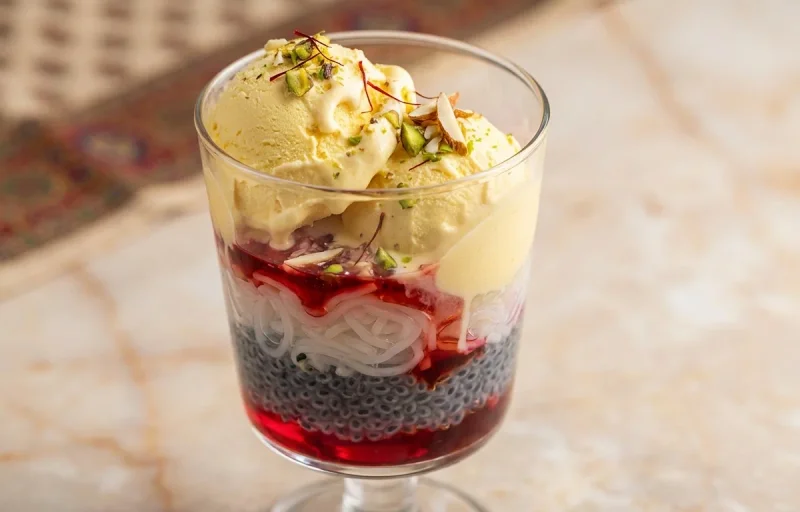
- 2Drizzle over desserts like falooda, ice cream, or puddings
- 3Use as a floral sweetener in cocktails or mocktails
STORAGE
Keep it fresh.
- Store in a cool, dry place away from direct sunlight
- Keep the bottle tightly sealed to prevent crystallization
- Refrigeration after opening is recommended to maintain freshness
FAQ
Frequently asked questions.
How long does rose syrup last?
Unopened rose syrup can last up to 1-2 years. Once opened, it is best consumed within 6 months if stored in the refrigerator.
What is a good substitute for rose syrup?
You can substitute it by mixing rose water with a simple sugar syrup (1:2 ratio) and adding a drop of red food coloring if desired.
Is rose syrup vegan?
Yes, most commercial rose syrups are vegan as they are made from sugar, water, and rose essence/extract.
How do I pick a high-quality rose syrup?
Look for brands that list natural rose extract or rose water rather than just 'artificial flavors' and 'red dye'.
Can rose syrup be used in baking?
Yes, it can be used to flavor cakes, cookies, and frostings, but remember to reduce other sugars in the recipe.
Is rose syrup the same as rose water?
No, rose water is a clear, unsweetened distillate of rose petals, while rose syrup is a thick, sweetened concentrate.
What are the common uses for rose syrup?
It is widely used in Indian and Middle Eastern cuisines for drinks like Falooda, Rooh Afza, and flavoring milk-based sweets.
Does rose syrup contain caffeine?
No, rose syrup is naturally caffeine-free.
RECIPES
Cook with rose syrup.
1 recipes · sorted by what’s quick