
Vegetable
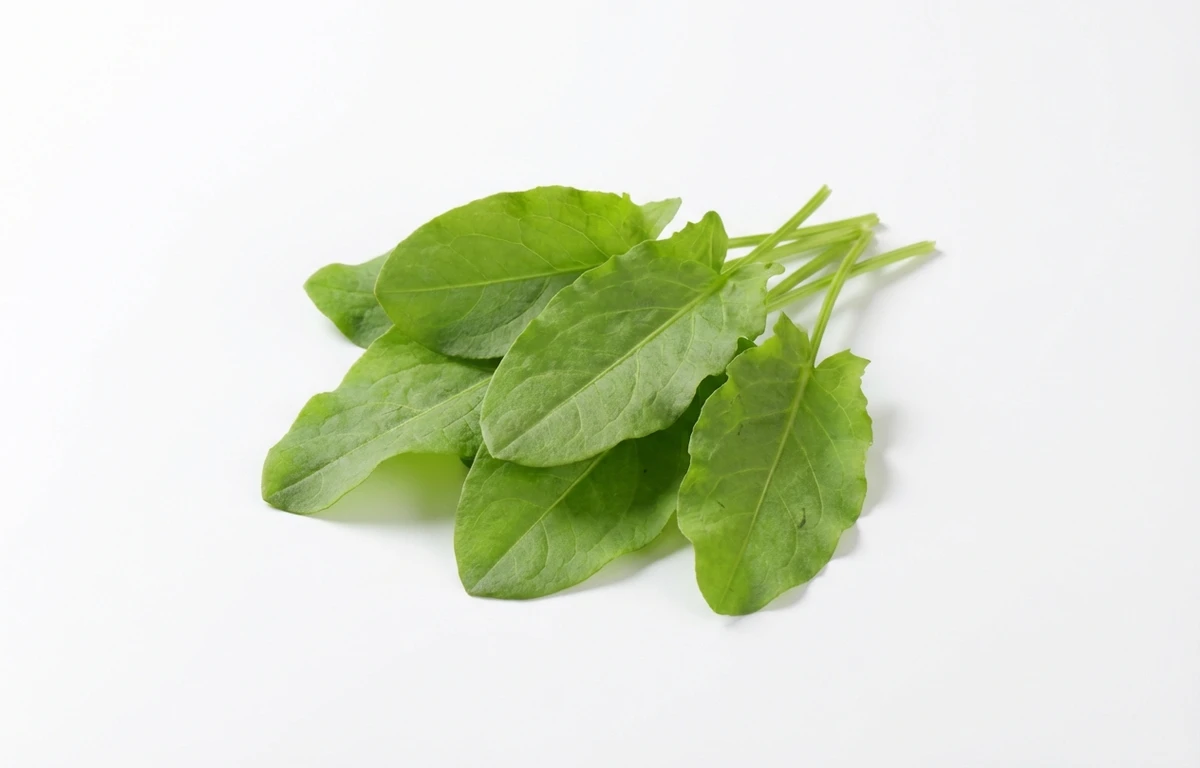
rumex leaves.
VegetarianVeganGluten-freeDairy-freeNut-freePeanut-freeSoy-freeEgg-freeShellfish-freeHoney-freeAlcohol-freeHalalKosher
SERVING
CALORIES
20
PROTEIN
1.6g
CARBS
2.3g
FAT
0.33g
FIBER
1.3g
This ingredient is flagged as naturally gluten-free. Per 100 g, it provides 126 µg of vitamin K.
NUTRITION PROFILE · per 100 g
Everything in this ingredient.
MACRONUTRIENTS
Calories19.6kcal—
Protein1.6g3%
Carbohydrates2.3g1%
Fiber1.3g5%
Sugar0.45g1%
Total fat0.33g0%
Saturated fat0.06g0%
Trans fat0g—
Cholesterol0mg0%
Water93.2g—
MINERALS
Sodium19.9mg1%
Potassium336mg7%
Calcium131mg10%
Iron3.7mg20%
Magnesium48.3mg12%
Phosphorus32.4mg3%
Zinc0.46mg4%
Copper0.25mg28%
Manganese0.82mg36%
Selenium5.4µg10%
VITAMINS
Vitamin A2754µg306%
Vitamin C53.8mg60%
Vitamin D0.10µg1%
Vitamin E0.51mg3%
Vitamin K126µg105%
Thiamin (B1)0.03mg3%
Riboflavin (B2)0.14mg11%
Niacin (B3)0.33mg2%
Pantothenic acid (B5)0.25mg5%
Vitamin B60.09mg5%
Biotin (B7)1.3µg4%
Folate (B9)41µg10%
%DV based on a 2,000 cal diet. Source: USDA FoodData Central. A dash in the %DV column means there’s no established Daily Value for that nutrient.
MEASUREMENT CONVERSIONS
How much is what.
1 cup30g
1 tablespoon1.9g
1 teaspoon0.6g
1 oz28.4g
1 lb453.6g
1 ml0.1g
1 liter127g
HEALTH BENEFITS
Why eat it.
- ✓Contains significant amounts of potassium, which is important for regulating blood pressure and fluid balance.
- ✓Provides dietary fiber, which aids in digestion and promotes gut health.
COOKING TIPS
In the kitchen.
- 1Use young, tender leaves raw in salads for a bright, lemony flavor.
- 2Cook into soups, stews, or sauces; cooking mellows their tartness. They are famously used in French sorrel soup.
- 3Avoid using aluminum or cast-iron cookware, as the oxalic acid in the leaves can react with the metal, causing discoloration and a metallic taste.
- 4Pair with rich or fatty foods like salmon, eggs, or cream, as their acidity cuts through the richness beautifully.
STORAGE
Keep it fresh.
- Refrigerate unwashed leaves wrapped in a damp paper towel inside a plastic bag for up to 5 days.
- For longer-term storage, blanch the leaves for one minute, plunge into ice water, drain well, and freeze in an airtight container for up to 6 months.
FAQ
Frequently asked questions.
What do rumex leaves taste like?
Rumex leaves, also known as sorrel, have a distinctively tart, tangy, and lemony flavor. This acidic profile makes them an excellent ingredient for cutting through rich flavors in soups, sauces, and salads.
Are rumex leaves keto-friendly?
Yes, rumex leaves are highly keto-friendly. With only 2.33g of carbohydrates and 19.6 calories per 100g, they can be easily incorporated into low-carb and ketogenic diets.
How do you cook rumex leaves?
Rumex leaves can be sautéed in butter or oil like spinach, though they cook much faster and will turn a brownish-olive color. They are also commonly puréed into creamy soups or used raw in salads for a citrusy kick.
Can I eat rumex leaves raw?
Yes, young and tender rumex leaves are excellent when eaten raw in salads or as a garnish. However, because they contain oxalic acid, it is best to consume them in moderation, especially if you are sensitive to acidic foods.
How should I store fresh rumex leaves?
Store unwashed rumex leaves in a sealed plastic bag with a damp paper towel in the refrigerator's crisper drawer. They are delicate and should be used within 3 to 5 days for the best quality.
Are rumex leaves vegan and gluten-free?
Yes, rumex leaves are a natural leafy green vegetable. They are 100% vegan and naturally gluten-free, making them suitable for almost all dietary preferences and restrictions.
Can I freeze rumex leaves for later use?
Yes, you can freeze them by blanching the leaves for 30 seconds, cooling them in ice water, and squeezing out the moisture. Frozen rumex leaves are best used in cooked dishes like stews or sauces rather than fresh salads.



















