
Grain
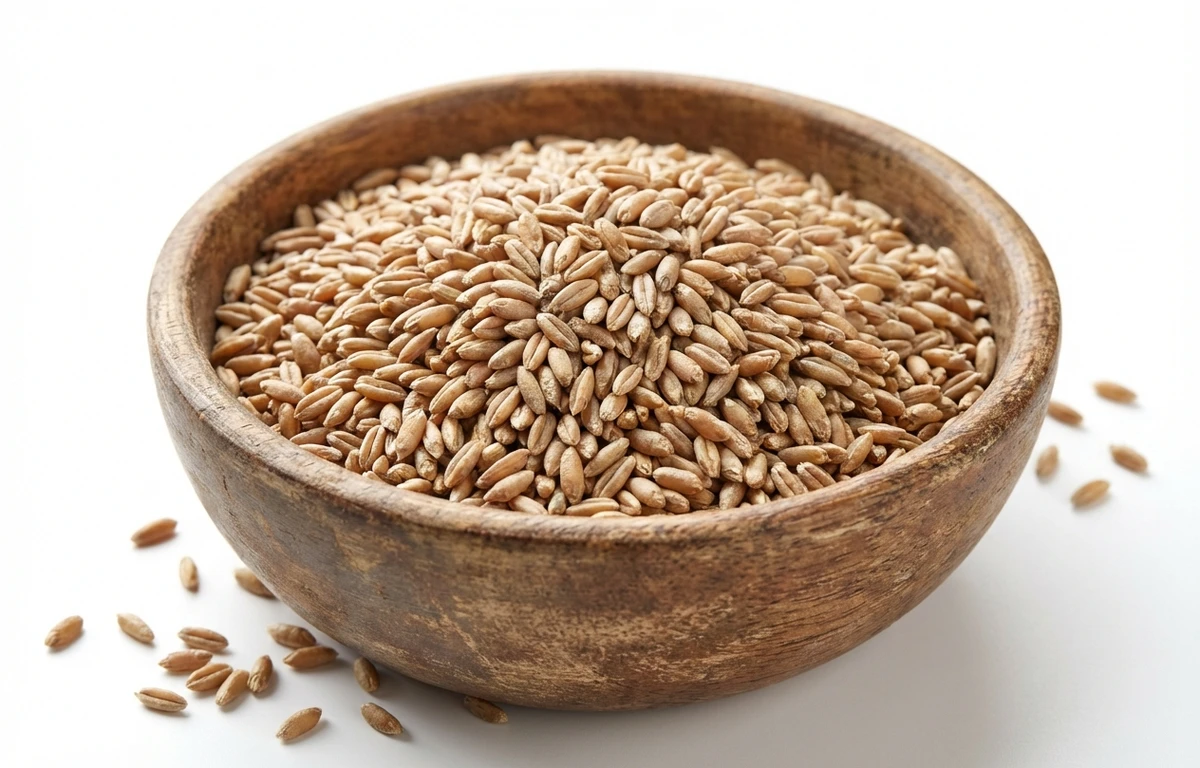
rye grain.
VegetarianVeganGluten-freeDairy-freeNut-freePeanut-freeSoy-freeEgg-freeShellfish-freeHoney-freeAlcohol-freeHalalKosherWhole grain
ALSO KNOWN AS
rye
SERVING
CALORIES
338
PROTEIN
10.3g
CARBS
75.9g
FAT
1.6g
FIBER
15.1g
NUTRITION PROFILE · per 100 g
Everything in this ingredient.
MACRONUTRIENTS
Calories338kcal—
Protein10.3g21%
Carbohydrates75.9g28%
Fiber15.1g54%
Sugar0.98g2%
Total fat1.6g2%
Saturated fat0.20g1%
Trans fat0g—
Cholesterol0mg0%
Water10.6g—
MINERALS
Sodium2.0mg0%
Potassium510mg11%
Calcium24mg2%
Iron2.6mg15%
Magnesium110mg26%
Phosphorus332mg27%
Zinc2.6mg24%
Copper0.37mg41%
Manganese2.6mg112%
Selenium13.9µg25%
VITAMINS
Vitamin A1.0µg0%
Vitamin C0mg0%
Vitamin D0µg0%
Vitamin E0.85mg6%
Vitamin K5.9µg5%
Thiamin (B1)0.32mg27%
Riboflavin (B2)0.25mg19%
Niacin (B3)4.3mg27%
Pantothenic acid (B5)1.5mg29%
Vitamin B60.29mg17%
Folate (B9)38µg10%
Vitamin B120µg0%
%DV based on a 2,000 cal diet. Source: USDA FoodData Central. A dash in the %DV column means there’s no established Daily Value for that nutrient.
MEASUREMENT CONVERSIONS
How much is what.
1 cup169g
1 tablespoon10.6g
1 teaspoon3.5g
1 ml0.7g
1 liter704.2g
HEALTH BENEFITS
Why eat it.
- ✓High in dietary fiber, particularly soluble fiber, which aids in digestion, promotes satiety, and helps maintain a healthy gut.
- ✓Helps regulate blood sugar levels due to its low glycemic index and high fiber content, making it beneficial for managing type 2 diabetes.
- ✓Rich in minerals such as manganese, selenium, phosphorus, and magnesium, which are essential for bone health, antioxidant defense, and metabolic function.
- ✓May improve heart health by helping to lower cholesterol levels and blood pressure.
COOKING TIPS
In the kitchen.
- 1Soak rye berries for at least 8 hours or overnight to shorten the cooking time and improve digestibility.
- 2To cook, use a ratio of 1 part rye berries to 3-4 parts water or broth. Bring to a boil, then reduce heat and simmer for 45-60 minutes, or until tender with a pleasant chew.
- 3Cooked rye berries have a robust, nutty flavor and can be used in grain salads, pilafs, soups, or as a hearty substitute for rice.
- 4Rye grains can be milled at home to make fresh, whole-grain rye flour for baking dense, flavorful breads like pumpernickel and sourdough.
STORAGE
Keep it fresh.
- Store whole rye grains (berries) in an airtight container in a cool, dark, and dry place, such as a pantry, for up to 6 months.
- For longer storage (up to one year), place the airtight container in the freezer to prevent the natural oils in the germ from going rancid.
FAQ
Frequently asked questions.
Is rye grain healthy?
Yes, rye grain is highly nutritious, offering significant amounts of dietary fiber, manganese, and magnesium. It supports digestive health, helps regulate blood sugar, and contributes to heart health by managing cholesterol levels.
How much protein and fiber are in rye grain?
Per 100g, rye grain contains approximately 10.34g of protein and is exceptionally high in fiber. Its high soluble fiber content is particularly effective at promoting satiety and supporting a healthy gut microbiome.
Is rye grain good for weight loss?
Rye grain can be beneficial for weight loss because its high fiber content increases the feeling of fullness, which may reduce overall calorie intake. Its low glycemic index also prevents sharp spikes in blood sugar that can lead to hunger.
Is rye grain gluten-free?
No, rye grain is not gluten-free. It contains a protein called secalin, which is a form of gluten, making it unsafe for individuals with celiac disease or non-celiac gluten sensitivity.
Is rye grain keto-friendly?
No, rye grain is not keto-friendly as it is high in carbohydrates, with about 75.86g of carbs per 100g. It is generally avoided on strict low-carb diets in favor of lower-carbohydrate alternatives.
How do you cook whole rye grains (rye berries)?
To cook rye berries, soak them overnight to reduce cooking time, then simmer in a ratio of 1 part grain to 3 parts water for 45-60 minutes. They are done when they are tender but still have a firm, chewy texture.
What does rye grain taste like?
Rye grain has a distinctive deep, earthy, and slightly nutty flavor with a subtle sour undertone. Its texture is much chewier than wheat, making it a hearty addition to salads, soups, and pilafs.
How should I store rye grain and how long does it last?
Store whole rye grains in an airtight container in a cool, dry, and dark place, where they can last for up to a year. For longer storage, you can keep them in the refrigerator or freezer to prevent the natural oils from going rancid.
Can diabetics eat rye grain?
Yes, rye grain is often recommended for diabetics because it has a lower glycemic index than many other grains. The high fiber content slows down the absorption of glucose, helping to maintain more stable blood sugar levels.
What is the difference between rye grain and wheat?
While both are cereal grains, rye is darker, denser, and has a stronger flavor than wheat. Nutritionally, rye contains more fiber and free sugars than wheat, and its gluten structure is weaker, resulting in denser breads.



















