
Other
rye malt.
VegetarianVeganGluten-freeDairy-freeNut-freePeanut-freeSoy-freeEgg-freeShellfish-freeHoney-freeAlcohol-freeWhole grain
ALSO KNOWN AS
malted ryesecale cereale maltsolodrye malt berrieswhole rye malt
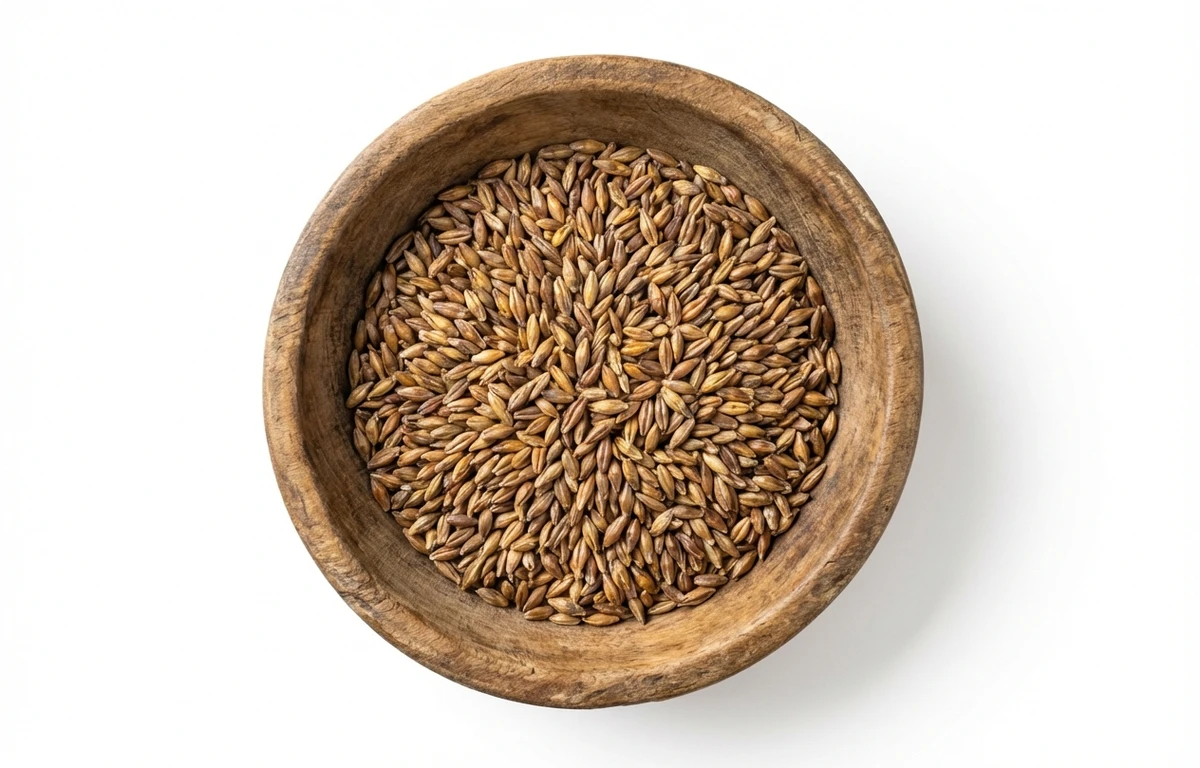
SERVING
CALORIES
334
PROTEIN
10.3g
CARBS
74.5g
FAT
1.8g
FIBER
13.2g
Per 100 g, it provides 5.9 µg of vitamin K.
NUTRITION PROFILE · per 100 g
Everything in this ingredient.
MACRONUTRIENTS
Calories334kcal—
Protein10.3g21%
Carbohydrates74.5g27%
Fiber13.2g47%
Sugar12.4g25%
Total fat1.8g2%
Saturated fat0.30g2%
Trans fat0g—
Cholesterol0mg0%
Water8.5g—
MINERALS
Sodium5.0mg0%
Potassium450mg10%
Calcium33mg3%
Iron2.7mg15%
Magnesium121mg29%
Phosphorus340mg27%
Zinc3.7mg34%
Copper0.40mg44%
Manganese2.6mg113%
Selenium13.9µg25%
VITAMINS
Vitamin A0µg0%
Vitamin C0mg0%
Vitamin D0µg0%
Vitamin E0.80mg5%
Vitamin K5.9µg5%
Thiamin (B1)0.30mg25%
Riboflavin (B2)0.20mg15%
Niacin (B3)4.3mg27%
Pantothenic acid (B5)1.5mg30%
Vitamin B60.30mg18%
Folate (B9)38µg10%
Vitamin B120µg0%
%DV based on a 2,000 cal diet. Source: USDA FoodData Central. A dash in the %DV column means there’s no established Daily Value for that nutrient.
MEASUREMENT CONVERSIONS
How much is what.
1 cup145g
1 tablespoon9g
1 teaspoon3g
1 oz28.4g
1 lb453.6g
1 ml0.6g
1 liter600g
HEALTH BENEFITS
Why eat it.
- ✓High in dietary fiber which supports digestive health
- ✓Contains lignans which may support heart health
- ✓Lower glycemic index compared to many refined grains
- ✓Provides essential B-vitamins for energy metabolism
COOKING TIPS
In the kitchen.
- 1Crush or grind just before use to maximize enzymatic activity and flavor
- 2Use in bread doughs like Borodinsky for a deep, sweet, and earthy aroma
- 3Steep in hot water to create a base for traditional beverages like Kvass
STORAGE
Keep it fresh.
- Store in a cool, dry place away from direct sunlight
- Keep in an airtight container to prevent moisture absorption
- Can be frozen in a sealed bag to extend shelf life up to 2 years
FAQ
Frequently asked questions.
How long does rye malt last?
When stored in a cool, dry, and airtight environment, whole rye malt can last for 12 to 18 months.
What is the difference between rye malt and raw rye?
Rye malt has been germinated and dried, which activates enzymes and converts starches into sugars, making it sweeter and more aromatic than raw rye.
What can I use as a substitute for rye malt?
Barley malt is the closest substitute, though it has a slightly different flavor profile. Wheat malt can also be used.
How do I pick high-quality rye malt?
Look for grains that are dry, free of mold or off-smells, and have a pleasant, sweet, and nutty aroma.
Can rye malt be used in baking?
Yes, it is a key ingredient in many European dark breads, providing color, moisture, and a distinct sweet-savory flavor.
Does rye malt need to be cooked?
It is typically ground into flour for baking or steeped/boiled for brewing and beverage making rather than eaten as a standalone grain.
Is rye malt the same as rye flour?
No, rye flour is ground raw rye, while rye malt is ground from germinated and dried rye grains.
What are the common uses for rye malt?
It is primarily used in brewing beer, distilling spirits (like whiskey), and baking traditional sourdough or rye breads.



















