
Protein5 recipes
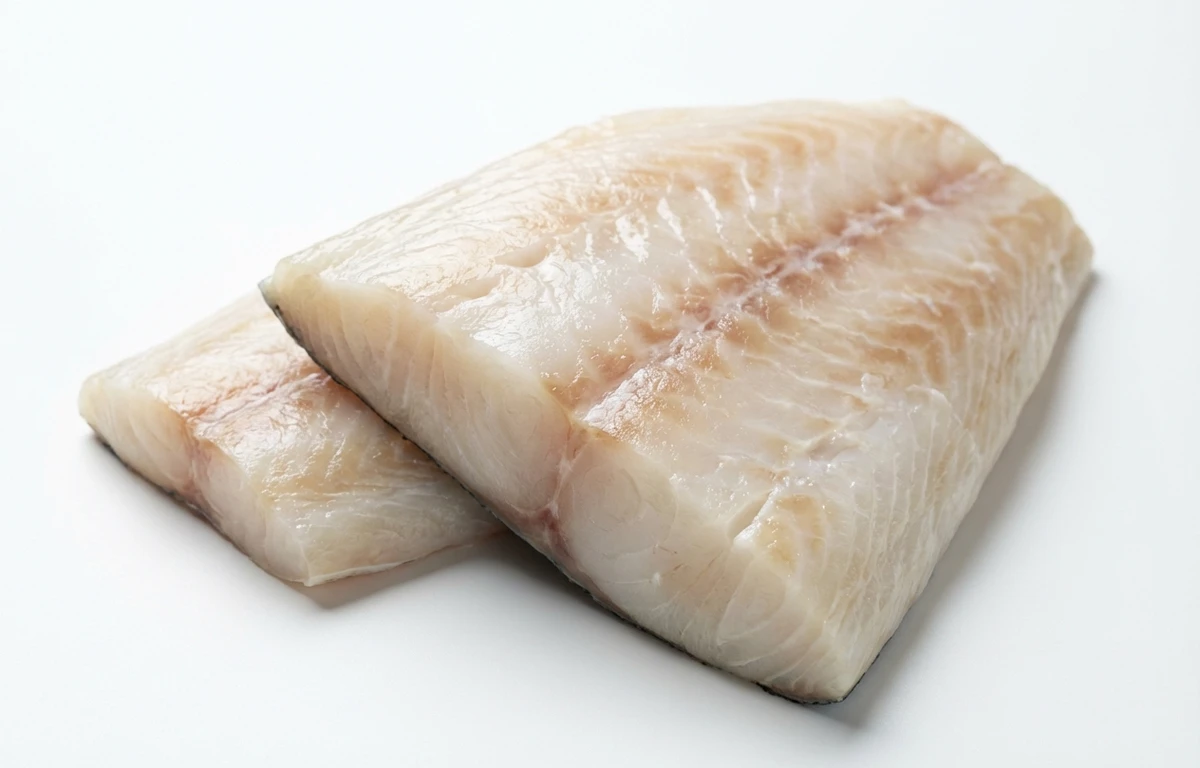
sablefish fillets.
VegetarianVeganGluten-freeDairy-freeNut-freePeanut-freeSoy-freeEgg-freeShellfish-freeHoney-freeAlcohol-free
ALSO KNOWN AS
black cod filletsbutterfish filletsbutterfishsablefish
SERVING
CALORIES
195
PROTEIN
13.4g
CARBS
0g
FAT
15.3g
FIBER
0g
This ingredient is flagged as naturally gluten-free. Per 100 g, it provides 0.10 µg of vitamin K.
NUTRITION PROFILE · per 100 g
Everything in this ingredient.
MACRONUTRIENTS
Calories195kcal—
Protein13.4g27%
Carbohydrates0g0%
Fiber0g0%
Sugar0g0%
Total fat15.3g20%
Saturated fat3.2g16%
Trans fat0g—
Cholesterol49mg16%
Water70.3g—
MINERALS
Sodium56mg2%
Potassium358mg8%
Calcium12mg1%
Iron1.3mg7%
Magnesium27mg6%
Phosphorus170mg14%
Zinc0.40mg4%
Copper0.03mg3%
Manganese0.01mg0%
Selenium36.5µg66%
VITAMINS
Vitamin A45µg5%
Vitamin C0mg0%
Vitamin D12.5µg63%
Vitamin E0.80mg5%
Vitamin K0.10µg0%
Thiamin (B1)0.05mg4%
Riboflavin (B2)0.10mg8%
Niacin (B3)3.5mg22%
Pantothenic acid (B5)0.30mg6%
Vitamin B60.30mg18%
Folate (B9)12µg3%
Vitamin B121.5µg63%
%DV based on a 2,000 cal diet. Source: USDA FoodData Central. A dash in the %DV column means there’s no established Daily Value for that nutrient.
MEASUREMENT CONVERSIONS
How much is what.
1 cup140g
1 tablespoon8.8g
1 teaspoon2.9g
1 oz28.4g
1 lb453.6g
1 ml0.6g
1 liter583.3g
1 piece140g
HEALTH BENEFITS
Why eat it.
- ✓Excellent source of high-quality, easily digestible protein, crucial for building and repairing tissues and muscle.
- ✓Provides a good source of Vitamin B12, necessary for red blood cell formation and proper neurological function.
COOKING TIPS
In the kitchen.
- 1Due to its high fat content, sablefish is very forgiving and resists drying out. It is ideal for broiling, grilling, baking, and smoking.
- 2A classic preparation is marinating the fillets in a mixture of miso, sake, and mirin for 2-3 days before broiling until the surface is caramelized.
- 3Pan-sear skin-side down in a hot, oiled pan for a crispy skin, then flip and cook briefly or finish in a preheated oven.
- 4Its rich, buttery flavor pairs well with acidic or umami-rich ingredients like soy sauce, citrus, ginger, and mushrooms.
STORAGE
Keep it fresh.
- Store fresh sablefish fillets in the coldest part of your refrigerator (at or below 40°F / 4°C) and consume within 1-2 days.
- For freezing, wrap fillets tightly in plastic wrap and then in aluminum foil or place in a vacuum-sealed bag. It can be stored in the freezer (at 0°F / -18°C) for up to 3 months for optimal quality.
- Thaw frozen sablefish overnight in the refrigerator. Avoid thawing at room temperature to prevent bacterial growth.
FAQ
Frequently asked questions.
How much protein and fat are in sablefish?
A 100g serving of sablefish contains approximately 13.4g of high-quality protein and 15.3g of fat. While the fat content is higher than most white fish, it consists largely of heart-healthy unsaturated fats and essential Omega-3s.
Is sablefish keto-friendly?
Yes, sablefish is an ideal choice for the ketogenic diet. It contains 0g of carbohydrates and a high ratio of healthy fats, making it a perfect protein source for those maintaining nutritional ketosis.
What does sablefish taste like?
Often called 'Black Cod,' sablefish has a rich, buttery flavor and a velvety, large-flaked texture. It is much more decadent and oily than traditional cod, with a mild sweetness that makes it a favorite in gourmet cooking.
How do you cook sablefish fillets?
Sablefish is very forgiving due to its high fat content, making it hard to overcook. It is best prepared by pan-searing for crispy skin, roasting at high heat, or broiling with a miso glaze.
Can I substitute sablefish with another fish?
The best substitute for sablefish is Chilean Sea Bass, as it shares a similar buttery texture and high fat content. If unavailable, fatty varieties of salmon or halibut can work, though the flavor profile will differ.
How long does fresh sablefish last in the fridge?
Fresh sablefish fillets should be stored in the coldest part of the refrigerator and consumed within 1 to 2 days of purchase. For longer storage, vacuum-seal and freeze the fillets for up to 3 months.
How can you tell if sablefish has gone bad?
Fresh sablefish should have a clean, mild ocean scent; avoid fish with a strong 'fishy' or ammonia-like smell. The flesh should be firm and moist, not slimy, and should spring back when pressed.
Is sablefish safe for pregnant women?
Sablefish is safe in moderation, typically recommended at 1-2 servings per week. While it is high in beneficial Omega-3s and Vitamin D, it contains moderate mercury levels, so it should be balanced with low-mercury seafood options.
RECIPES
Cook with sablefish fillets.
5 recipes · sorted by what’s quick



















