spice
sada shorshe.
VegetarianVeganGluten-freeDairy-freeNut-freePeanut-freeSoy-freeEgg-freeShellfish-freeHoney-freeAlcohol-free
SERVING
CALORIES
508
PROTEIN
26.1g
CARBS
28.1g
FAT
36.2g
FIBER
12.2g
NUTRITION PROFILE · per 100 g
Everything in this ingredient.
MACRONUTRIENTS
Calories508kcal—
Protein26.1g52%
Carbohydrates28.1g10%
Fiber12.2g44%
Sugar6.8g14%
Total fat36.2g46%
Saturated fat2.0g10%
Trans fat0g—
Cholesterol0mg0%
Water6.9g—
MINERALS
Sodium13mg1%
Potassium738mg16%
Calcium266mg20%
Iron9.2mg51%
Magnesium370mg88%
Phosphorus828mg66%
Zinc6.1mg55%
Copper0.64mg71%
Manganese2.5mg107%
Selenium208µg378%
VITAMINS
Vitamin A3.0µg0%
Vitamin C7.1mg8%
Vitamin D0µg0%
Vitamin E5.1mg34%
Vitamin K7.3µg6%
Thiamin (B1)0.81mg68%
Riboflavin (B2)0.26mg20%
Niacin (B3)4.7mg30%
Pantothenic acid (B5)0.81mg16%
Vitamin B60.40mg24%
Folate (B9)162µg41%
Vitamin B120µg0%
%DV based on a 2,000 cal diet. Source: USDA FoodData Central. A dash in the %DV column means there’s no established Daily Value for that nutrient.
MEASUREMENT CONVERSIONS
How much is what.
1 cup180g
1 tablespoon12g
1 teaspoon4g
HEALTH BENEFITS
Why eat it.
- ✓Rich in selenium and magnesium, which have anti-inflammatory properties and support bone health.
- ✓Contains compounds called glucosinolates, which studies suggest may have anti-cancer properties.
- ✓A good source of omega-3 fatty acids (alpha-linolenic acid), which are beneficial for cardiovascular health.
- ✓Provides dietary fiber that aids in digestion and promotes gut health.
COOKING TIPS
In the kitchen.
- 1Soak seeds in warm water for 15-30 minutes before grinding to create a smoother, less bitter paste.
- 2For a classic Bengali 'shorshe bata' (mustard paste), grind soaked seeds with green chilies, salt, and a little water. A pinch of sugar or a bit of coconut can balance the pungency.
- 3Temper whole seeds in hot oil until they begin to pop ('phoron' or 'tadka') to release their nutty aroma before adding other ingredients to a dish.
- 4Avoid overcooking mustard paste as it can become excessively bitter. Add it towards the end of the cooking process for dishes like 'shorshe maach' (fish in mustard gravy).
STORAGE
Keep it fresh.
- Store whole white mustard seeds in an airtight container in a cool, dark, and dry place, such as a pantry.
- Whole seeds can retain their potency for up to a year, while ground mustard powder loses its flavor more quickly and should be used within six months.
FAQ
Frequently asked questions.
Is sada shorshe healthy?
Yes, sada shorshe is very healthy as it is rich in essential minerals like selenium and magnesium, which provide anti-inflammatory benefits. It also contains omega-3 fatty acids and glucosinolates, which support heart health and may offer anti-cancer properties.
How much protein and fat are in sada shorshe?
Sada shorshe is quite nutrient-dense, containing approximately 26.08g of protein and 36.24g of fat per 100g. While high in calories (508 kcal), most of the fats are healthy unsaturated fats, including beneficial omega-3 fatty acids.
Is sada shorshe vegan and gluten-free?
Yes, sada shorshe is naturally vegan and gluten-free. It is a plant-based seed that is safe for individuals with celiac disease or those following a strict vegan diet.
Is sada shorshe keto-friendly?
Yes, it is keto-friendly. Although it contains 28.09g of carbs per 100g, the typical serving size used in cooking is very small, and its high fat and protein content align well with ketogenic dietary requirements.
What does sada shorshe taste like?
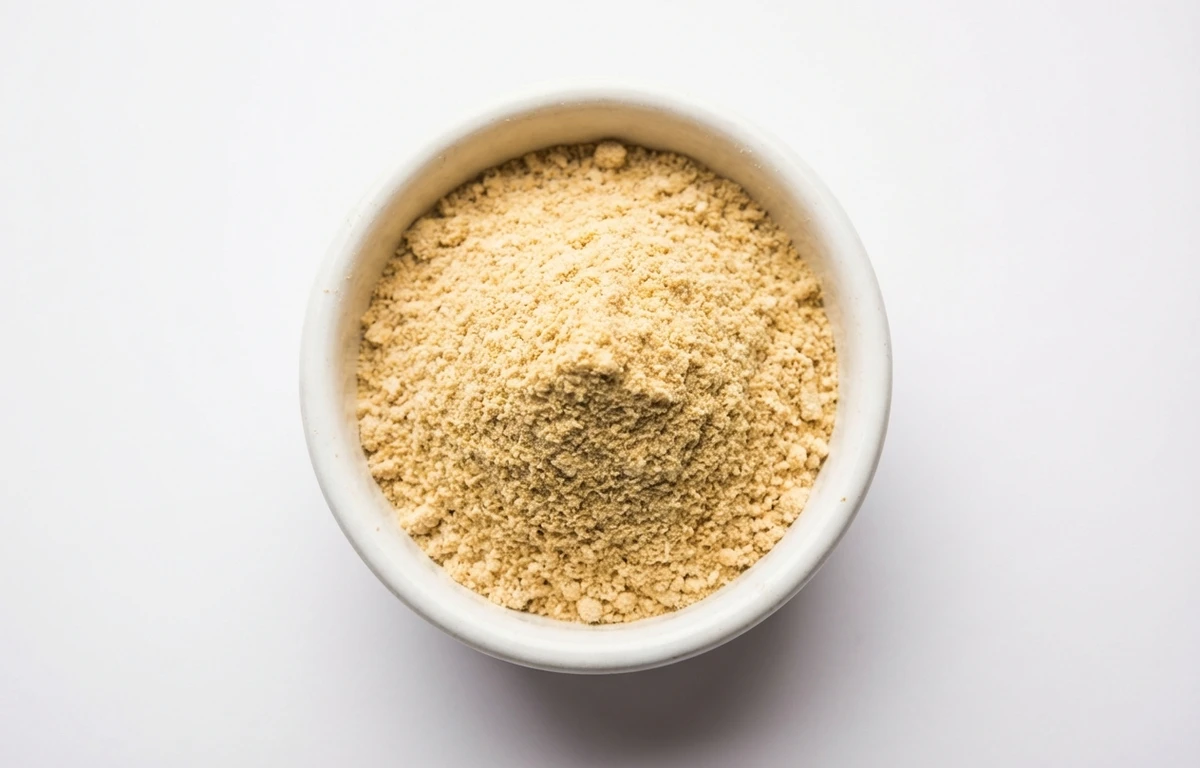
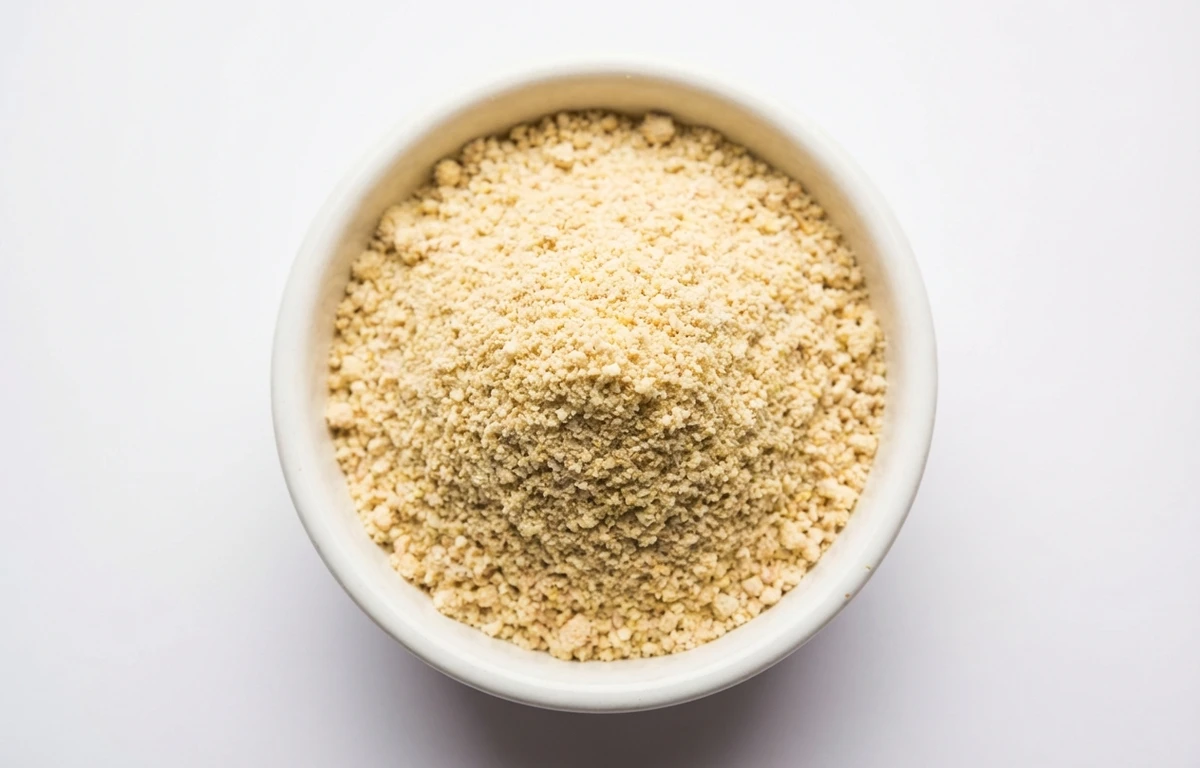
Sada shorshe, or yellow/white mustard seeds, has a milder and slightly sweeter flavor compared to black mustard seeds. It provides a gentle heat and a nutty undertone without the intense pungency found in darker varieties.
How do you use sada shorshe in cooking?
It is commonly used whole in tempering (tadka) to flavor oils or ground into a fine paste for traditional Bengali curries. When grinding into a paste, it is often blended with green chilies and salt to prevent it from turning bitter.
Do I need to soak sada shorshe before using it?
Soaking sada shorshe in warm water for 15 to 30 minutes before grinding is recommended. This softens the seeds, making it easier to create a smooth paste and helping to mellow out any potential bitterness.
How should I store sada shorshe?
Store the seeds in an airtight container in a cool, dry, and dark place like a pantry. When kept away from moisture and direct sunlight, whole seeds can maintain their flavor and potency for up to one year.
Can sada shorshe help with digestion?
Yes, it is a good source of dietary fiber, which aids in regular bowel movements and promotes overall gut health. The minerals in the seeds also stimulate the production of gastric juices, which can improve digestion.
How can I tell if sada shorshe has gone bad?
Fresh seeds should have a mild, spicy aroma and a uniform pale yellow color. If the seeds smell musty, look shriveled, or have lost their characteristic scent, they are likely stale and should be replaced.