
Spice10 recipes
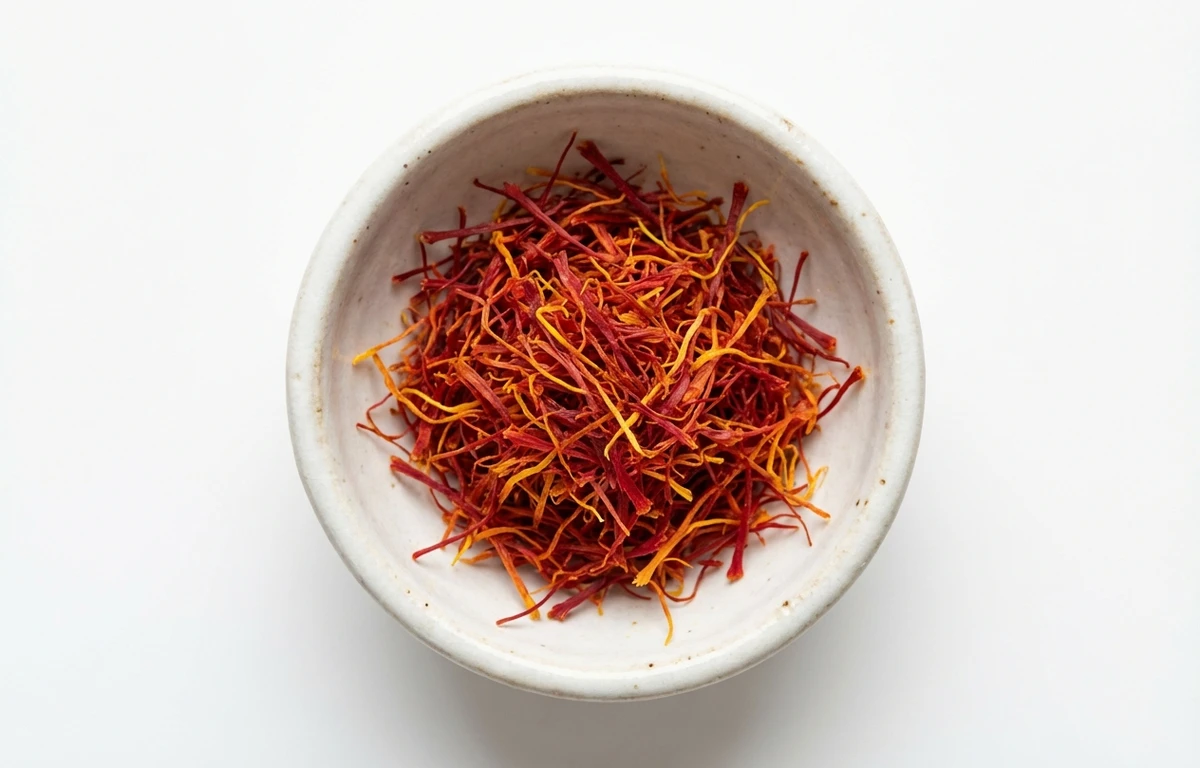
saffron.
VegetarianVeganGluten-freeDairy-freeNut-freePeanut-freeSoy-freeEgg-freeShellfish-freeHoney-freeAlcohol-free
ALSO KNOWN AS
kesarsaffronsaffron threads
SERVING
CALORIES
310
PROTEIN
11.4g
CARBS
65.4g
FAT
5.9g
FIBER
3.9g
NUTRITION PROFILE · per 100 g
Everything in this ingredient.
MACRONUTRIENTS
Calories310kcal—
Protein11.4g23%
Carbohydrates65.4g24%
Fiber3.9g14%
Sugar0g0%
Total fat5.9g8%
Saturated fat1.6g8%
Trans fat0g—
Cholesterol0mg0%
Water11.9g—
MINERALS
Sodium148mg6%
Potassium1724mg37%
Calcium111mg9%
Iron11.1mg62%
Magnesium264mg63%
Phosphorus252mg20%
Zinc1.1mg10%
Copper0.30mg33%
Manganese28.4mg1235%
Selenium5.6µg10%
VITAMINS
Vitamin A27µg3%
Vitamin C80.8mg90%
Vitamin D0µg0%
Vitamin E0mg0%
Vitamin K0µg0%
Thiamin (B1)0.11mg9%
Riboflavin (B2)0.27mg21%
Niacin (B3)1.5mg9%
Vitamin B61.0mg59%
Folate (B9)93µg23%
Vitamin B120µg0%
%DV based on a 2,000 cal diet. Source: USDA FoodData Central. A dash in the %DV column means there’s no established Daily Value for that nutrient.
MEASUREMENT CONVERSIONS
How much is what.
1 cup33.6g
1 tablespoon2.1g
1 teaspoon0.7g
1 ml0.1g
1 liter140g
1 piece0g
HEALTH BENEFITS
Why eat it.
- ✓Rich in antioxidants like crocin and safranal, which protect cells from oxidative stress.
- ✓May improve mood and help treat symptoms of mild-to-moderate depression, often called the 'sunshine spice'.
- ✓May have cancer-fighting properties by selectively inhibiting or killing cancer cells while leaving normal cells unharmed.
- ✓Can help reduce symptoms of Premenstrual Syndrome (PMS), such as irritability, headaches, and cravings.
COOKING TIPS
In the kitchen.
- 1To extract maximum color and flavor, steep (or 'bloom') the saffron threads in a small amount of warm liquid (like water, broth, or milk) for at least 15-20 minutes before adding to your dish.
- 2A little goes a long way; typically, a small pinch (15-20 threads) is enough to flavor and color a dish serving 4-6 people. Using too much can result in a bitter taste.
- 3For a more even distribution of flavor and color, you can crush the threads into a powder using a mortar and pestle before steeping.
- 4Add the saffron-infused liquid towards the end of the cooking process to best preserve its delicate aroma.
STORAGE
Keep it fresh.
- Store saffron threads in an airtight container in a cool, dark, and dry place, away from sunlight, to preserve their potency for up to two years.
- Avoid storing in the refrigerator, as condensation can degrade its quality; a dark cupboard or pantry is ideal.
- For best flavor, use within six months of opening, as its volatile oils will dissipate over time.
FAQ
Frequently asked questions.
Is saffron healthy?
Yes, saffron is highly nutritious and rich in antioxidants like crocin and safranal, which protect cells from oxidative stress. It is often called the 'sunshine spice' because it may improve mood and help treat symptoms of mild-to-moderate depression.
What are the primary health benefits of saffron?
Saffron is known for its ability to reduce symptoms of Premenstrual Syndrome (PMS), such as irritability and cravings. Additionally, it may have cancer-fighting properties by selectively inhibiting the growth of harmful cells while leaving healthy cells intact.
How many calories and carbs are in saffron?
Per 100g, saffron contains 310 calories and 65.4g of carbohydrates. However, because it is used in very tiny amounts (usually just a few threads), its caloric and carbohydrate contribution to a meal is virtually zero.
Is saffron vegan and gluten-free?
Yes, saffron is a natural spice harvested from the Crocus sativus flower. It is 100% plant-based and naturally gluten-free, making it suitable for vegan, celiac, and paleo diets.
Is saffron keto-friendly?
Yes, saffron is keto-friendly. While it contains 65.4g of carbs per 100g, a typical serving size is less than 0.1 grams, meaning it adds no significant net carbs to your daily intake.
How do you prepare saffron for cooking?
To extract the best flavor and color, you should 'bloom' saffron by soaking crushed threads in a tablespoon of warm water, milk, or broth for 10 to 15 minutes before adding it to your recipe. This ensures the golden hue and floral aroma are distributed evenly.
What does saffron taste like?
Saffron has a very distinct, complex flavor that is often described as floral, honey-like, and slightly earthy with a bitter edge. It is prized more for its unique aroma and the vibrant yellow-gold color it imparts to food than for its sweetness.
What is a good substitute for saffron?
There is no perfect flavor substitute for saffron, but turmeric or safflower can be used if you only need to replicate its bright yellow color. For a closer flavor profile, some chefs use a tiny pinch of ground cardamom or marigold petals, though the results will differ.
How should I store saffron and how long does it last?
Store saffron in an airtight container in a cool, dark place away from sunlight, as light and heat can destroy its volatile oils. When stored properly, saffron can maintain its flavor and potency for 2 to 3 years.
How can I tell if saffron is real or high quality?
Real saffron threads are trumpet-shaped and should turn water yellow, not red, when steeped. If the threads themselves lose their color or the water turns a deep red immediately, it is likely a fake or dyed substitute like corn silk.
RECIPES
Cook with saffron.
10 recipes · sorted by what’s quick
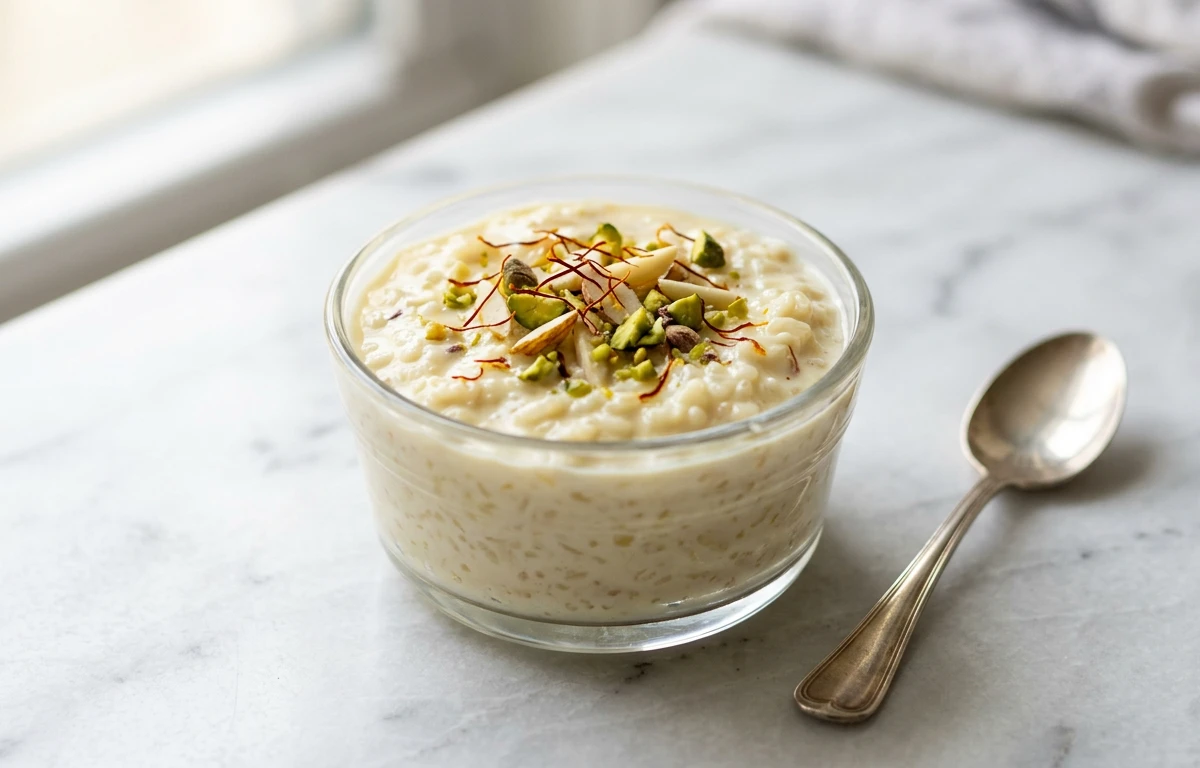
.webp)
.webp)



















