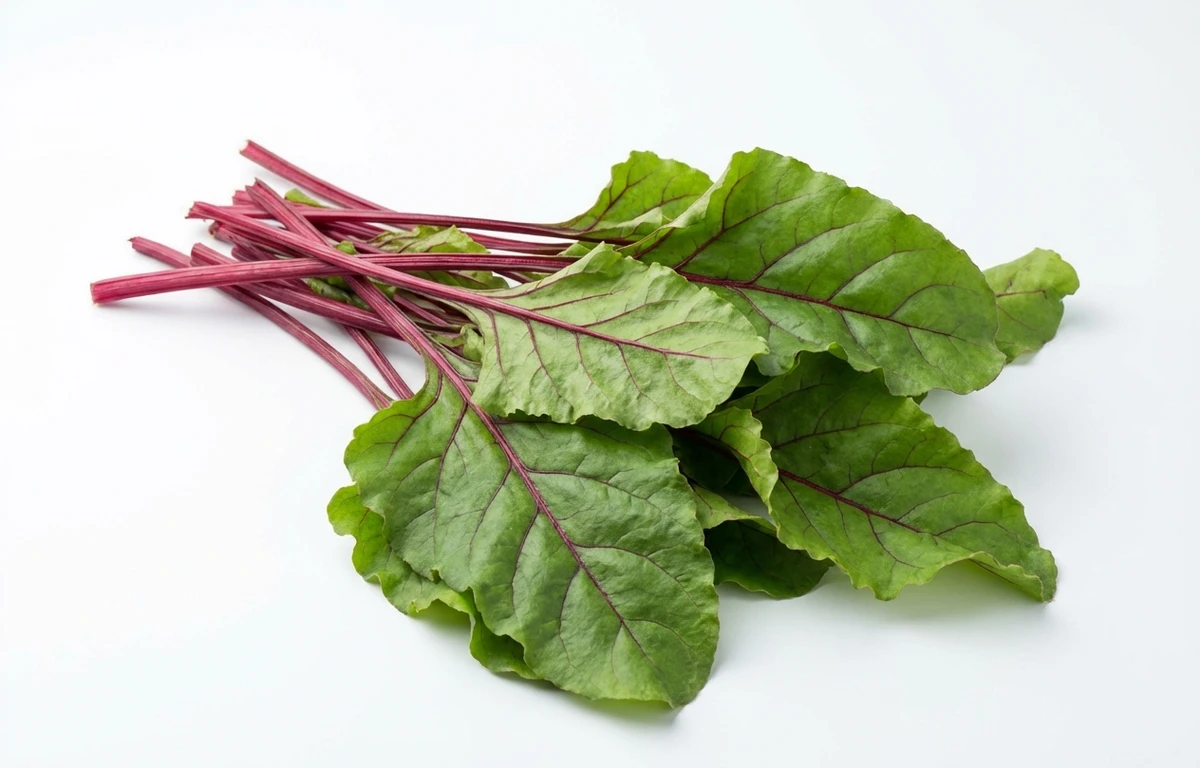
vegetable
sajana chuin.
VegetarianVeganGluten-freeDairy-freeNut-freePeanut-freeSoy-freeEgg-freeShellfish-freeHoney-freeAlcohol-freeHalalKosher
SERVING
CALORIES
37
PROTEIN
2.1g
CARBS
8.5g
FAT
0.20g
FIBER
3.2g
NUTRITION PROFILE · per 100 g
Everything in this ingredient.
MACRONUTRIENTS
Calories37kcal—
Protein2.1g4%
Carbohydrates8.5g3%
Fiber3.2g11%
Sugar2.3g5%
Total fat0.20g0%
Saturated fat0.02g0%
Trans fat0g—
Cholesterol0mg0%
Water88.2g—
MINERALS
Sodium9.0mg0%
Potassium259mg6%
Calcium30mg2%
Iron0.36mg2%
Magnesium45mg11%
Phosphorus50mg4%
Zinc0.45mg4%
Copper0.11mg12%
Manganese0.26mg11%
Selenium0.90µg2%
VITAMINS
Vitamin A4.0µg0%
Vitamin C141mg157%
Vitamin D0µg0%
Vitamin E0.37mg2%
Vitamin K4.4µg4%
Thiamin (B1)0.05mg4%
Riboflavin (B2)0.07mg5%
Niacin (B3)0.62mg4%
Pantothenic acid (B5)0.79mg16%
Vitamin B60.12mg7%
Folate (B9)44µg11%
Vitamin B120µg0%
%DV based on a 2,000 cal diet. Source: USDA FoodData Central. A dash in the %DV column means there’s no established Daily Value for that nutrient.
MEASUREMENT CONVERSIONS
How much is what.
1 cup110g
1 piece45g
HEALTH BENEFITS
Why eat it.
- ✓Rich in antioxidants like flavonoids and phenolic acids, which help combat oxidative stress.
- ✓Possesses anti-inflammatory properties that may aid in managing conditions like arthritis.
- ✓Good source of essential nutrients, including calcium, potassium, and vitamins A and C.
- ✓Traditionally used to boost the immune system and improve digestive health.
COOKING TIPS
In the kitchen.
- 1The flowers have a slightly bitter taste. To reduce this, blanch them in hot water for a minute before adding to your dish.
- 2Commonly used in stir-fries (bhaja) with potatoes, onions, and spices like mustard seeds and turmeric.
- 3They can be added to lentil soups (dal) or mixed vegetable curries for added nutrition and a unique flavor.
- 4Pairs well with strong flavors like mustard paste, poppy seed paste (posto), or grated coconut in traditional Bengali cuisine.
STORAGE
Keep it fresh.
- Store fresh flowers in a perforated plastic bag in the refrigerator's crisper drawer and use within 1-2 days as they are highly perishable.
- For longer storage, blanch the flowers briefly, drain well, and freeze them in an airtight container.
- Alternatively, sun-dry the flowers completely and store them in an airtight jar in a cool, dark place for several months.
FAQ
Frequently asked questions.
Is sajana chuin (drumstick) healthy?
Yes, sajana chuin is highly nutritious and low in calories. It is a rich source of vitamins A and C, calcium, and potassium, and it contains powerful antioxidants that help protect the body from oxidative stress.
What are the primary health benefits of sajana chuin?
Sajana chuin possesses anti-inflammatory properties that may help manage conditions like arthritis. It is also traditionally used to boost the immune system, improve digestive health, and provide essential minerals for bone strength.
How many calories and carbs are in sajana chuin?
Per 100g, sajana chuin contains approximately 37 calories and 8.53g of carbohydrates. It is very low in fat (0.2g) and provides about 2.1g of protein, making it a light yet nutrient-dense vegetable.
Is sajana chuin good for weight loss?
Yes, it is an excellent choice for weight management because it is low in calories and fat. Its fiber content can help promote a feeling of fullness, which may reduce overall calorie intake throughout the day.
Is sajana chuin keto-friendly?
Sajana chuin can be included in a keto diet in moderation, as it contains about 8.5g of carbs per 100g. While higher in carbs than leafy greens, its high fiber and nutrient density make it a healthy addition to a low-carb lifestyle.
Can diabetics eat sajana chuin?
Yes, diabetics can safely eat sajana chuin. It has a relatively low glycemic index and contains nutrients that may help in managing blood sugar levels and improving insulin sensitivity.
How do you cook and prepare sajana chuin?
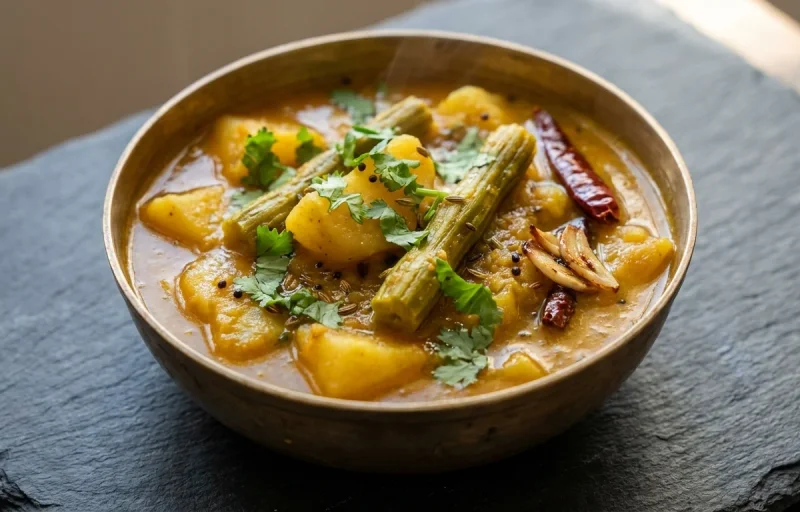
To prepare, cut the pods into 2-3 inch pieces and lightly scrape off the thick outer skin. They are most commonly boiled in dals, curries, or soups like sambar until the inner pulp is soft and tender.
What does sajana chuin taste like?
It has a unique, mildly sweet, and earthy flavor, often compared to a mix of asparagus and green beans. The inner pulp is soft and succulent, while the seeds have a slightly nutty taste.
Do you eat the skin of the sajana chuin?
The outer skin is very fibrous and usually not swallowed. Most people chew the cooked pod to extract the soft inner pulp and seeds, then discard the remaining woody fiber.
How do you store sajana chuin and how long does it last?
Fresh pods should be stored in the refrigerator, ideally wrapped in a damp cloth or plastic bag to maintain moisture. They typically stay fresh for 3 to 5 days before they begin to shrivel and lose their snap.
RECIPES
Cook with sajana chuin.
0 recipes · sorted by what’s quick