
Spice
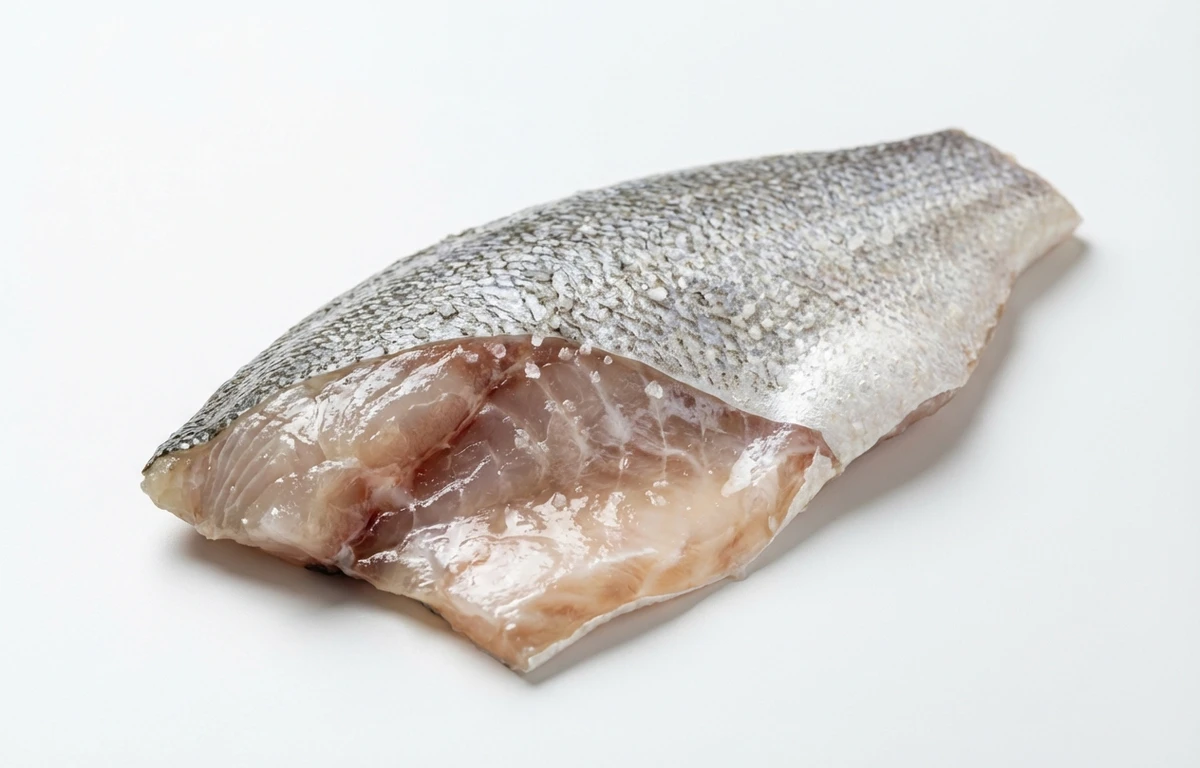
salted butterfish.
VegetarianVeganGluten-freeDairy-freeNut-freePeanut-freeSoy-freeEgg-freeShellfish-freeHoney-freeAlcohol-free
SERVING
CALORIES
220
PROTEIN
24.5g
CARBS
0g
FAT
13.8g
FIBER
0g
NUTRITION PROFILE · per 100 g
Everything in this ingredient.
MACRONUTRIENTS
Calories220kcal—
Protein24.5g49%
Carbohydrates0g0%
Fiber0g0%
Sugar0g0%
Total fat13.8g18%
Saturated fat3.4g17%
Trans fat0g—
Cholesterol75mg25%
Water42g—
MINERALS
Sodium6800mg296%
Potassium280mg6%
Calcium45mg3%
Iron1.4mg8%
Magnesium38mg9%
Phosphorus290mg23%
Zinc0.90mg8%
Copper0.06mg7%
Manganese0.02mg1%
Selenium48µg87%
VITAMINS
Vitamin A35µg4%
Vitamin C0mg0%
Vitamin D15µg75%
Vitamin E1.2mg8%
Vitamin K0.10µg0%
Thiamin (B1)0.06mg5%
Riboflavin (B2)0.18mg14%
Niacin (B3)4.8mg30%
Pantothenic acid (B5)0.70mg14%
Vitamin B60.35mg21%
Folate (B9)6.0µg2%
Vitamin B122.8µg117%
%DV based on a 2,000 cal diet. Source: USDA FoodData Central. A dash in the %DV column means there’s no established Daily Value for that nutrient.
MEASUREMENT CONVERSIONS
How much is what.
1 cup150g
1 oz28.4g
1 lb453.6g
1 piece80g
HEALTH BENEFITS
Why eat it.
- ✓Rich source of high-quality, complete protein essential for muscle building and tissue repair.
- ✓Excellent source of Omega-3 fatty acids (EPA and DHA), which support cardiovascular health and cognitive function.
- ✓Provides key minerals like selenium, which acts as a powerful antioxidant, and iodine, crucial for thyroid function.
- ✓Note: It is very high in sodium, which should be consumed in moderation, especially for individuals monitoring blood pressure.
COOKING TIPS
In the kitchen.
- 1Due to high salt content, soak the fish in water for 30-60 minutes before cooking, changing the water once or twice to reduce saltiness to your preference.
- 2Pan-fry small pieces until crispy and golden brown to serve as a condiment with rice porridge (congee) or steamed rice.
- 3Incorporate flaked pieces into stir-fries, steamed dishes (like with minced pork), or claypot rice to add a deep, savory umami flavor.
- 4The oil rendered from frying salted fish is very flavorful and can be used to sauté vegetables for extra taste.
STORAGE
Keep it fresh.
- Store in a cool, dry place away from direct sunlight. An airtight container is recommended to prevent moisture absorption and contain its strong odor.
- For longer-term storage, especially after opening the package, refrigerate in an airtight container or sealed bag for up to several months.
FAQ
Frequently asked questions.
Is salted butterfish healthy?
Salted butterfish is a nutrient-dense source of high-quality protein and heart-healthy Omega-3 fatty acids. However, it is very high in sodium due to the curing process, so it should be consumed in moderation, particularly by individuals with hypertension or heart concerns.
How much protein is in salted butterfish?
Salted butterfish is an excellent protein source, providing approximately 24.5g of protein per 100g serving. This high protein content is essential for muscle building, tissue repair, and maintaining a healthy metabolism.
Is salted butterfish keto-friendly?
Yes, salted butterfish is ideal for a ketogenic or low-carb diet. It contains 0g of carbohydrates and a high fat content of 13.8g per 100g, providing the healthy fats and protein necessary to maintain ketosis.
How do you prepare salted butterfish to reduce the saltiness?
To make the fish more palatable, it is best to soak it in cold water for several hours or overnight in the refrigerator, changing the water once or twice. This process leaches out excess sodium while preserving the fish's rich texture.
What does salted butterfish taste like?
It has a rich, oily, and buttery texture with a deeply savory and salty flavor profile. When properly desalted and cooked, it offers a succulent mouthfeel that pairs well with acidic ingredients like vinegar or citrus.
How should I store salted butterfish and how long does it last?
Salted butterfish should be stored in an airtight container in the refrigerator, where it can last for 2-3 weeks. For longer storage, you can freeze it for up to 6 months without significantly compromising its quality.
Is salted butterfish gluten-free?
In its natural state, salted butterfish is gluten-free as it consists only of fish and salt. However, always check the labels of commercially packaged versions to ensure no gluten-containing preservatives or flavorings have been added.
What are the main health benefits of salted butterfish?
Beyond protein, it is rich in Omega-3 fatty acids (EPA and DHA) for brain health, selenium for antioxidant support, and iodine for thyroid function. These nutrients support cardiovascular health and cognitive performance.
Can I eat salted butterfish if I am on a weight loss diet?
It can be included in a weight loss diet because its high protein content promotes fullness. However, be mindful of the 220 calories per 100g and the high sodium content, which can cause temporary water retention.
Can salted butterfish be eaten raw?
While the salt-curing process preserves the fish, it is generally not eaten raw like sashimi. It is traditionally soaked to remove salt and then fried, steamed, or boiled to achieve the best texture and flavor.



















