
Oil
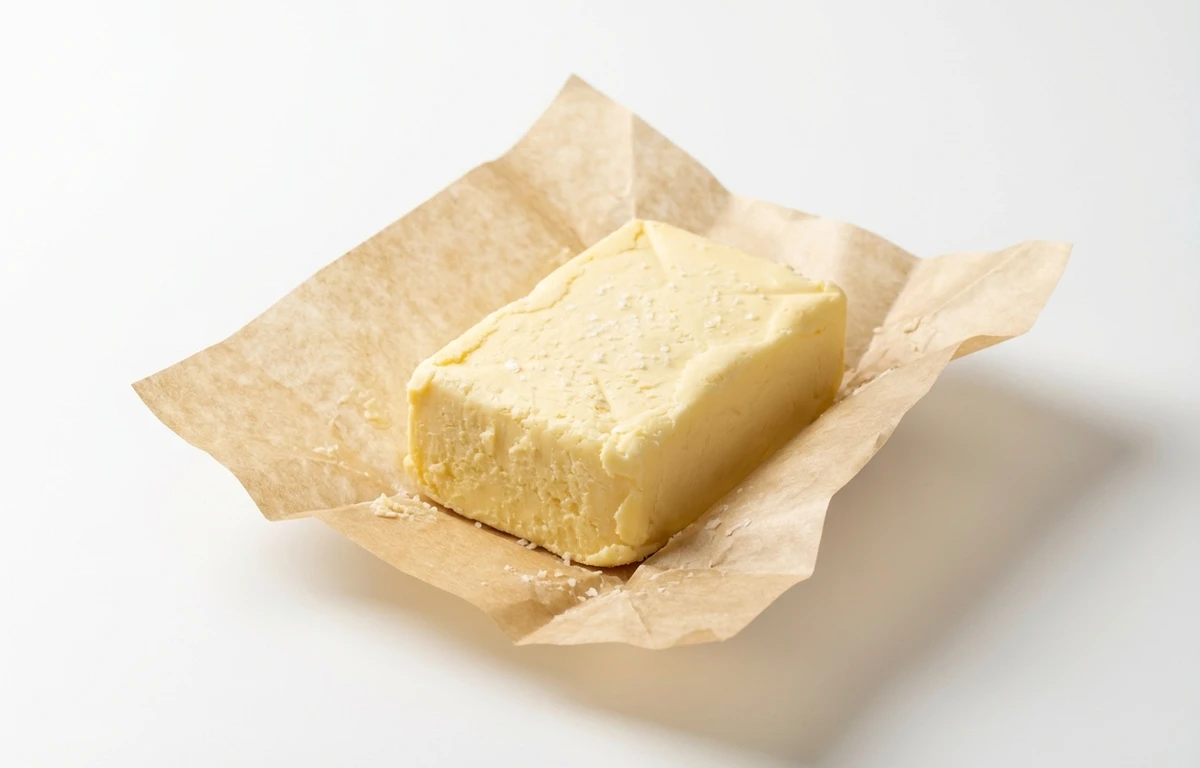
salted margarine.
VegetarianVeganGluten-freeDairy-freeNut-freePeanut-freeSoy-freeEgg-freeShellfish-freeHoney-freeAlcohol-free
ALSO KNOWN AS
salted butter substitute
SERVING
CALORIES
717
PROTEIN
0.16g
CARBS
0.70g
FAT
80.7g
FIBER
0g
This ingredient is flagged as naturally gluten-free. Per 100 g, it provides 93 µg of vitamin K.
NUTRITION PROFILE · per 100 g
Everything in this ingredient.
MACRONUTRIENTS
Calories717kcal—
Protein0.16g0%
Carbohydrates0.70g0%
Fiber0g0%
Sugar0g0%
Total fat80.7g103%
Saturated fat15.2g76%
Trans fat14.9g—
Cholesterol0mg0%
Water16.5g—
MINERALS
Sodium751mg33%
Potassium18mg0%
Calcium3.0mg0%
Iron0.06mg0%
Magnesium3.0mg1%
Phosphorus5.0mg0%
Zinc0mg0%
Copper0mg0%
Selenium0µg0%
VITAMINS
Vitamin A819µg91%
Vitamin C0.20mg0%
Vitamin D1.5µg8%
Vitamin E9.0mg60%
Vitamin K93µg78%
Thiamin (B1)0.01mg1%
Riboflavin (B2)0.04mg3%
Niacin (B3)0.02mg0%
Pantothenic acid (B5)0mg0%
Vitamin B60.01mg1%
Folate (B9)1.0µg0%
Vitamin B120.10µg4%
%DV based on a 2,000 cal diet. Source: USDA FoodData Central. A dash in the %DV column means there’s no established Daily Value for that nutrient.
MEASUREMENT CONVERSIONS
How much is what.
1 cup227g
1 tablespoon14g
1 teaspoon4.7g
1 ml0.9g
1 liter933.3g
HEALTH BENEFITS
Why eat it.
- ✓Often fortified with fat-soluble vitamins such as Vitamin A and Vitamin D.
- ✓Typically made from vegetable oils, providing a source of unsaturated fats (monounsaturated and polyunsaturated) which can support heart health.
- ✓Modern formulations are typically low in or free of trans fats, unlike older stick margarines.
- ✓As a plant-based product, it is naturally cholesterol-free.
COOKING TIPS
In the kitchen.
- 1Use stick margarine for baking for a texture similar to butter; soft tub margarines have higher water content and can alter the outcome of baked goods.
- 2When substituting for butter, remember that salted margarine contains salt, so you may need to reduce the amount of added salt in your recipe.
- 3Ideal for spreading, melting on vegetables, or sautéing over low to medium heat. Avoid using it for high-heat frying as it can burn easily.
STORAGE
Keep it fresh.
- Keep refrigerated in its original sealed container to maintain freshness and prevent it from absorbing odors from other foods.
- For long-term storage, margarine can be frozen for up to one year. Wrap the original container in a freezer bag to prevent freezer burn.
FAQ
Frequently asked questions.
Is salted margarine healthy?
Salted margarine is a cholesterol-free alternative to butter that is typically high in heart-healthy monounsaturated and polyunsaturated fats. Many modern varieties are fortified with vitamins A and D and contain little to no trans fats. However, it is high in calories and sodium, so it should be consumed in moderation as part of a balanced diet.
How many calories and how much fat are in salted margarine?
Salted margarine is energy-dense, containing approximately 717 calories and 80.71g of fat per 100g. It contains negligible amounts of protein (0.16g) and carbohydrates (0.7g), making it almost entirely composed of dietary fats.
Is salted margarine vegan?
Most salted margarines are vegan because they are made from plant-based vegetable oils. However, some brands may include small amounts of dairy-derived ingredients like whey, lactose, or casein, so it is important to check the ingredient label if you follow a strict vegan diet.
Can I use salted margarine for baking?
Yes, salted margarine can be used for baking, though the salt content may slightly alter the flavor of sweet recipes. If a recipe specifically calls for unsalted butter or margarine, you should reduce the amount of added salt in the recipe by about 1/4 teaspoon for every half-cup of margarine used.
Is salted margarine keto-friendly?
Yes, salted margarine is highly keto-friendly as it is composed of over 80% fat and contains less than 1 gram of carbohydrates per 100g. It is an effective way to add fat to meals without increasing carb intake.
Can I freeze salted margarine?
Yes, salted margarine can be frozen for up to 6 to 12 months. For best results, keep it in its original packaging and wrap it in an additional layer of aluminum foil or a freezer-safe bag to protect it from freezer burn.
What is the difference between salted margarine and butter?
The main difference is the source of fat; margarine is made from vegetable oils and is cholesterol-free, while butter is made from animal milk and contains cholesterol and higher saturated fat. Margarine is often softer at room temperature and may contain more water than butter, which can affect the texture of some baked goods.



















