
Grain
samai.
VegetarianVeganGluten-freeDairy-freeNut-freePeanut-freeSoy-freeEgg-freeShellfish-freeHoney-freeAlcohol-freeWhole grain
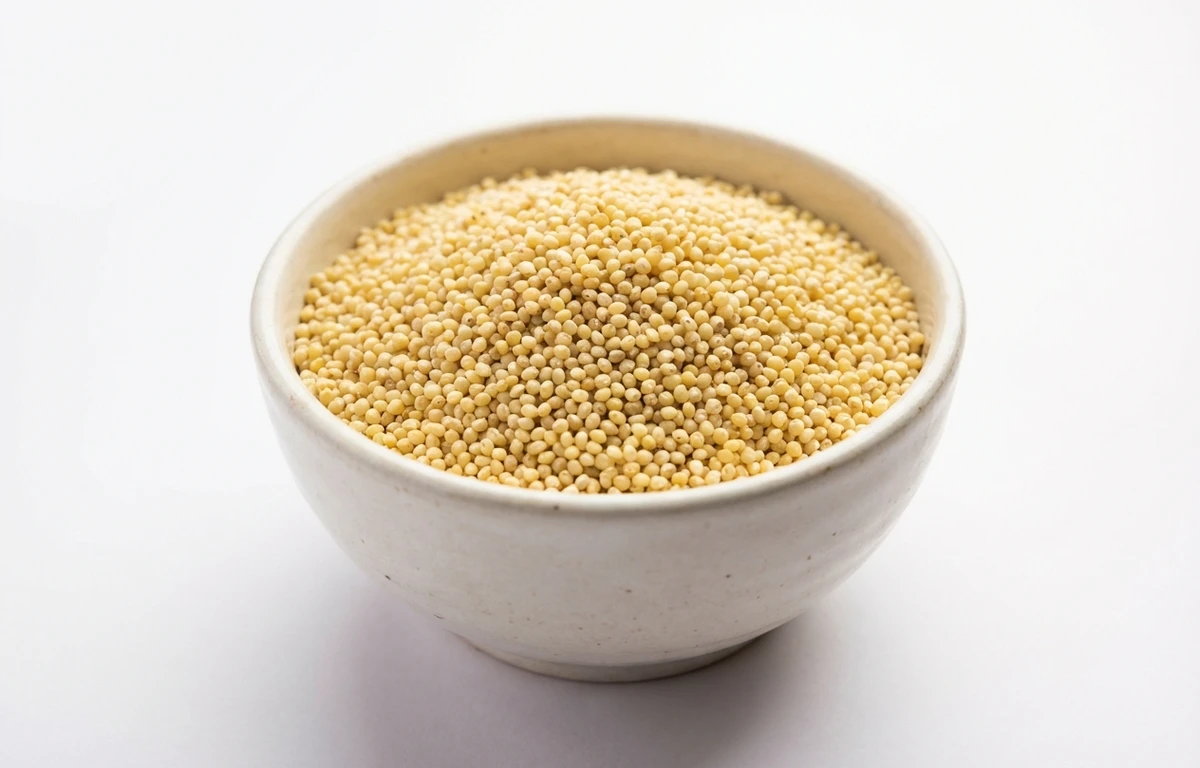
SERVING
CALORIES
346
PROTEIN
10.1g
CARBS
65.5g
FAT
3.9g
FIBER
7.7g
NUTRITION PROFILE · per 100 g
Everything in this ingredient.
MACRONUTRIENTS
Calories346kcal—
Protein10.1g20%
Carbohydrates65.5g24%
Fiber7.7g28%
Sugar0.37g1%
Total fat3.9g5%
Saturated fat0.59g3%
Trans fat0g—
Cholesterol0mg0%
Water11.4g—
MINERALS
Sodium4.8mg0%
Potassium105mg2%
Calcium16.1mg1%
Iron1.3mg7%
Magnesium91.4mg22%
Phosphorus130mg10%
Zinc1.8mg17%
Copper0.34mg38%
Manganese0.23mg10%
Selenium40.4µg73%
VITAMINS
Vitamin A1.9µg0%
Vitamin C0mg0%
Vitamin D3.8µg19%
Vitamin E0.55mg4%
Vitamin K4.5µg4%
Thiamin (B1)0.26mg22%
Riboflavin (B2)0.05mg4%
Niacin (B3)1.3mg8%
Pantothenic acid (B5)0.60mg12%
Vitamin B60.04mg2%
Biotin (B7)6.0µg20%
Folate (B9)36.2µg9%
%DV based on a 2,000 cal diet. Source: USDA FoodData Central. A dash in the %DV column means there’s no established Daily Value for that nutrient.
MEASUREMENT CONVERSIONS
How much is what.
1 cup195g
1 tablespoon12.2g
1 teaspoon4.1g
1 oz28.4g
1 lb453.6g
1 ml0.8g
1 liter824g
HEALTH BENEFITS
Why eat it.
- ✓Naturally gluten-free, making it an excellent choice for individuals with celiac disease or gluten sensitivity.
- ✓Rich in dietary fiber, which aids in digestion, promotes satiety, and helps regulate blood sugar levels.
- ✓Good source of essential minerals like magnesium, phosphorus, and iron, which are vital for bone health, energy production, and oxygen transport.
- ✓Has a low glycemic index, which helps in the slow release of glucose into the bloodstream, beneficial for managing diabetes.
- ✓Contains antioxidants like phenolic compounds that help combat oxidative stress and reduce inflammation.
COOKING TIPS
In the kitchen.
- 1Always rinse samai thoroughly under running water before cooking to remove any dust or natural saponins.
- 2Use a 1:2 ratio of samai to water or broth for a fluffy, rice-like texture. Bring to a boil, then reduce heat, cover, and simmer for about 15-20 minutes.
- 3It can be used as a versatile substitute for rice in dishes like upma, pongal, pulao, and kheer (sweet porridge).
- 4Toasted samai grains in a dry pan before cooking can enhance their nutty flavor.
STORAGE
Keep it fresh.
- Store in a cool, dry, and dark place in an airtight container to protect from moisture, pests, and light.
- For long-term storage (beyond 6 months), place the airtight container in the refrigerator or freezer to prevent the natural oils from going rancid.
FAQ
Frequently asked questions.
Is samai healthy?
Yes, samai is highly nutritious. It is rich in dietary fiber, essential minerals like magnesium and iron, and antioxidants that help reduce inflammation and support heart and bone health.
How much protein and calories are in samai?
A 100g serving of samai provides approximately 346.32 calories and 10.13g of protein. It also contains about 65.55g of carbohydrates and 3.89g of fat, making it a balanced energy source.
Is samai good for weight loss?
Yes, samai is excellent for weight management because it is high in dietary fiber. Fiber promotes satiety, helping you feel full for longer periods and reducing the likelihood of overeating.
Is samai gluten-free?
Yes, samai is naturally gluten-free. This makes it a safe and healthy grain alternative for individuals with celiac disease or those with gluten sensitivities.
Can diabetics eat samai?
Yes, samai is beneficial for diabetics because it has a low glycemic index. This ensures a slow and steady release of glucose into the bloodstream, helping to regulate blood sugar levels effectively.
How do you cook samai?
To cook samai, rinse the grains thoroughly and use a 1:2 ratio of grain to water. Bring to a boil, then simmer on low heat for 10-12 minutes until the water is absorbed and the grains are tender.
What does samai taste like?
Samai has a mild, slightly nutty flavor and a texture similar to couscous or broken rice. Because its flavor is subtle, it easily absorbs the taste of spices, broths, and vegetables used in a dish.
Can I substitute rice with samai?
Absolutely. Samai is a popular healthy substitute for white rice in dishes like khichdi, upma, pongal, and even fried rice. It provides more fiber and minerals than polished white rice.
Do I need to soak samai before cooking?
While not mandatory, soaking samai for 30 to 60 minutes is recommended. Soaking helps reduce phytic acid, which improves mineral absorption, and results in a fluffier, more evenly cooked grain.
How do you store samai and how long does it last?
Store samai in an airtight container in a cool, dry place away from direct sunlight. When kept dry, it can last for 6 to 12 months; you can also store it in the refrigerator to extend its freshness.



















