Loading...
Per 100g
Nutrition data source: USDA FoodData Central
Yes, sambar southe is very healthy as it is low in calories and high in water content, promoting hydration. It provides essential nutrients like Vitamin C, Vitamin K, and potassium, which support immune function and heart health.
Sambar southe is very light, containing only 16 calories and 3.6g of carbohydrates per 100g. This makes it an ideal vegetable for those monitoring their caloric intake or managing blood sugar levels.
Yes, it is excellent for weight loss due to its high fiber and water content, which helps you feel full for longer. Its low calorie density allows you to eat larger portions without consuming many calories.
Yes, sambar southe is keto-friendly. With only 3.6g of total carbohydrates per 100g, it can easily fit into a low-carb or ketogenic lifestyle when prepared with healthy fats.
Yes, sambar southe is a natural vegetable and is inherently both vegan and gluten-free. It is a safe and nutritious choice for individuals with these dietary restrictions.
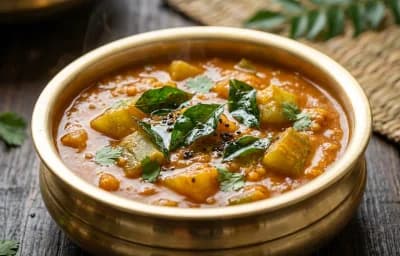
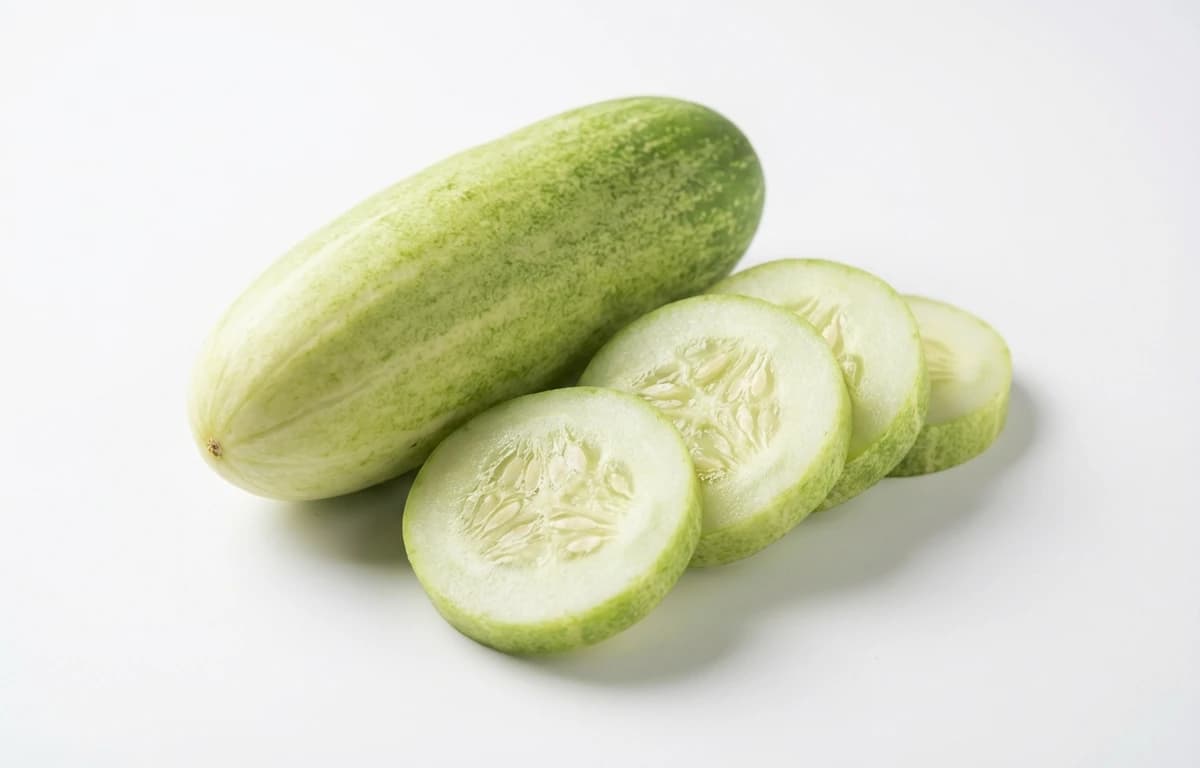
It has a mild, refreshing, and slightly sweet flavor, similar to a regular cucumber but with a much firmer texture. When cooked, it acts like a sponge, absorbing the flavors of the spices and broth it is prepared in.
To prepare it, wash the vegetable, peel the tough outer skin, and scoop out the inner seeds and pith. The firm flesh is then typically cut into cubes and added to curries, dals, or sambars.
sambar southe is a versatile ingredient found in cuisines around the world. With 16 calories per 100g and 0.7 grams of protein, it's a nutritious addition to many dishes.
Explore more ingredients in the vegetable category with complete nutrition information.
View all vegetable →Discover 0 recipes featuring sambar southe with step-by-step instructions.
Browse recipes →While it is most commonly cooked in South Indian cuisine, it can be eaten raw in salads or used to make fresh chutneys. However, the skin is usually too tough to consume and should be removed first.
Whole sambar southe can last for 1-2 weeks when stored in a cool, dry place or the refrigerator. Once cut, it should be wrapped in plastic or stored in an airtight container in the fridge and used within 3-5 days.
A fresh sambar southe should feel heavy for its size and have a firm, unyielding surface. Avoid vegetables that have soft spots, visible mold, or skin that appears shriveled and dry.