
Other1 recipes
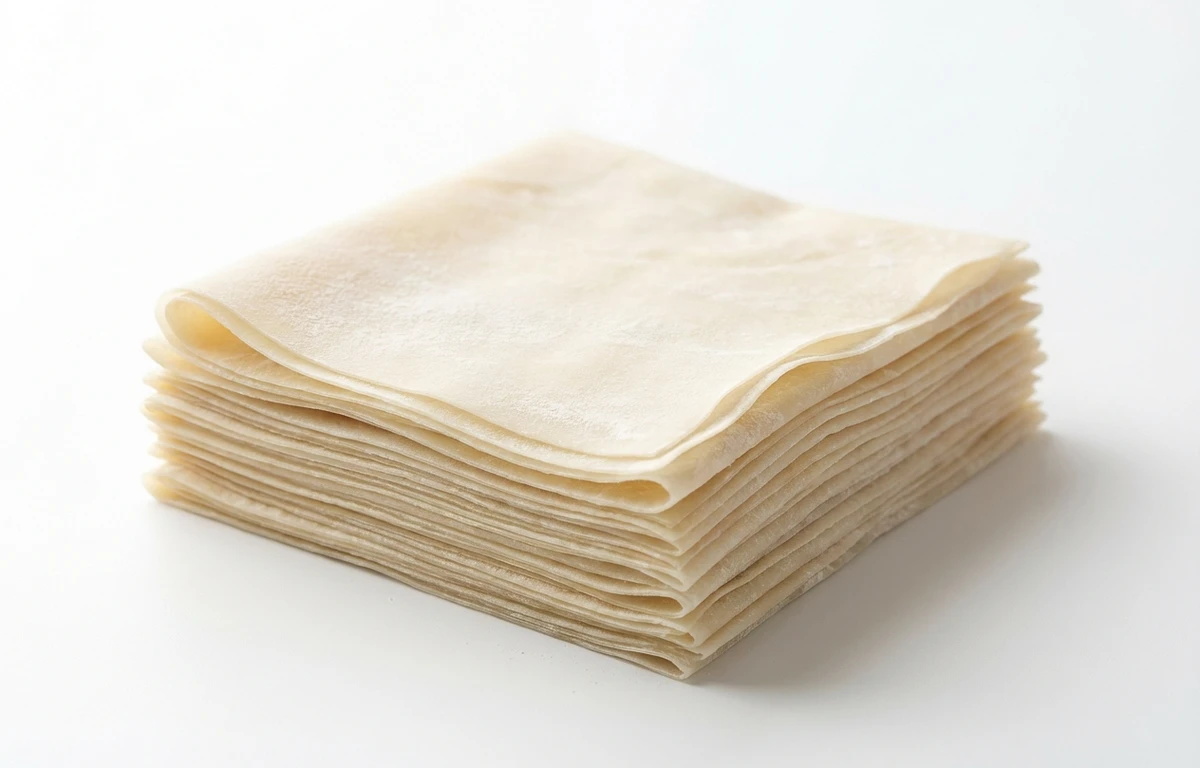
samosa pastry sheets.
VegetarianVeganGluten-freeDairy-freeNut-freePeanut-freeSoy-freeEgg-freeShellfish-freeHoney-freeAlcohol-free
ALSO KNOWN AS
samosa pattisamosa wrapperssamosa doughसमोसा पट्टी
SERVING
CALORIES
310
PROTEIN
8.0g
CARBS
65g
FAT
2.0g
FIBER
2.0g
Per 100 g, it provides 1.0 µg of vitamin K.
NUTRITION PROFILE · per 100 g
Everything in this ingredient.
MACRONUTRIENTS
Calories310kcal—
Protein8.0g16%
Carbohydrates65g24%
Fiber2.0g7%
Sugar1.0g2%
Total fat2.0g3%
Saturated fat0.50g3%
Cholesterol0mg0%
Water22g—
MINERALS
Sodium400mg17%
Potassium50mg1%
Calcium10mg1%
Iron1.0mg6%
Magnesium22mg5%
Phosphorus108mg9%
Zinc0.70mg6%
VITAMINS
Vitamin K1.0µg1%
Thiamin (B1)2.0mg167%
Riboflavin (B2)0.50mg38%
Niacin (B3)5.0mg31%
Vitamin B60.04mg2%
%DV based on a 2,000 cal diet. Source: USDA FoodData Central. A dash in the %DV column means there’s no established Daily Value for that nutrient.
MEASUREMENT CONVERSIONS
How much is what.
1 piece10g
HEALTH BENEFITS
Why eat it.
- ✓Provides a quick source of energy due to its carbohydrate content from refined flour.
- ✓Serves as a versatile wrapper for incorporating nutrient-dense fillings such as spiced vegetables, lentils, or minced meats.
- ✓When baked or air-fried instead of deep-fried, it can contribute to a lower-fat version of a traditional snack.
COOKING TIPS
In the kitchen.
- 1Thaw frozen sheets in the refrigerator for several hours or at room temperature for about 30-60 minutes before use.
- 2Keep the pastry sheets you are not immediately working with covered under a damp cloth to prevent them from drying out and becoming brittle.
- 3Create a slurry of flour and water to use as an edible glue to seal the edges of the pastry, preventing the filling from leaking during cooking.
- 4For a crispier, less oily result, brush the assembled samosas with oil and bake at 400°F (200°C) or air fry until golden brown and cooked through.
STORAGE
Keep it fresh.
- Store frozen pastry sheets in their original packaging in the freezer at 0°F (-18°C) for up to 6 months.
- Once thawed, keep refrigerated in an airtight container or plastic wrap and use within 2-3 days. Do not refreeze thawed sheets.
FAQ
Frequently asked questions.
Are samosa pastry sheets healthy?
Samosa pastry sheets are a source of quick energy due to their high carbohydrate content from refined flour. While they are low in fat, their overall healthiness depends on the filling and cooking method; choosing nutrient-dense fillings and baking instead of frying makes them a much healthier snack.
How many calories and carbs are in samosa pastry sheets?
Per 100g, samosa pastry sheets contain approximately 310 calories and 65g of carbohydrates. They also provide about 8g of protein and are naturally low in fat, containing only 2g per serving.
Are samosa pastry sheets vegan?
Most commercially available samosa pastry sheets are vegan, as they are typically made from wheat flour, water, salt, and vegetable oil. However, you should always check the ingredient list to ensure no ghee or egg products were used in the specific brand you are buying.
Can I bake or air-fry samosa pastry sheets instead of deep-frying?
Yes, baking or air-frying is a great way to reduce the fat content of your snack. Simply brush the prepared samosas lightly with oil and bake at 200°C (400°F) until they are golden brown and crispy.
Can I freeze samosa pastry sheets?
Yes, samosa pastry sheets freeze very well. If you have opened the package, ensure they are sealed airtight to avoid freezer burn; thaw them completely in the refrigerator before attempting to separate the layers.
What else can I make with samosa pastry sheets besides samosas?
These sheets are highly versatile and can be used to make spring rolls, crispy wontons, or even sweet desserts like apple turnovers. You can also cut them into strips and bake them to create crunchy crackers for dips or salads.
RECIPES
Cook with samosa pastry sheets.
1 recipes · sorted by what’s quick



















