spice1 recipes
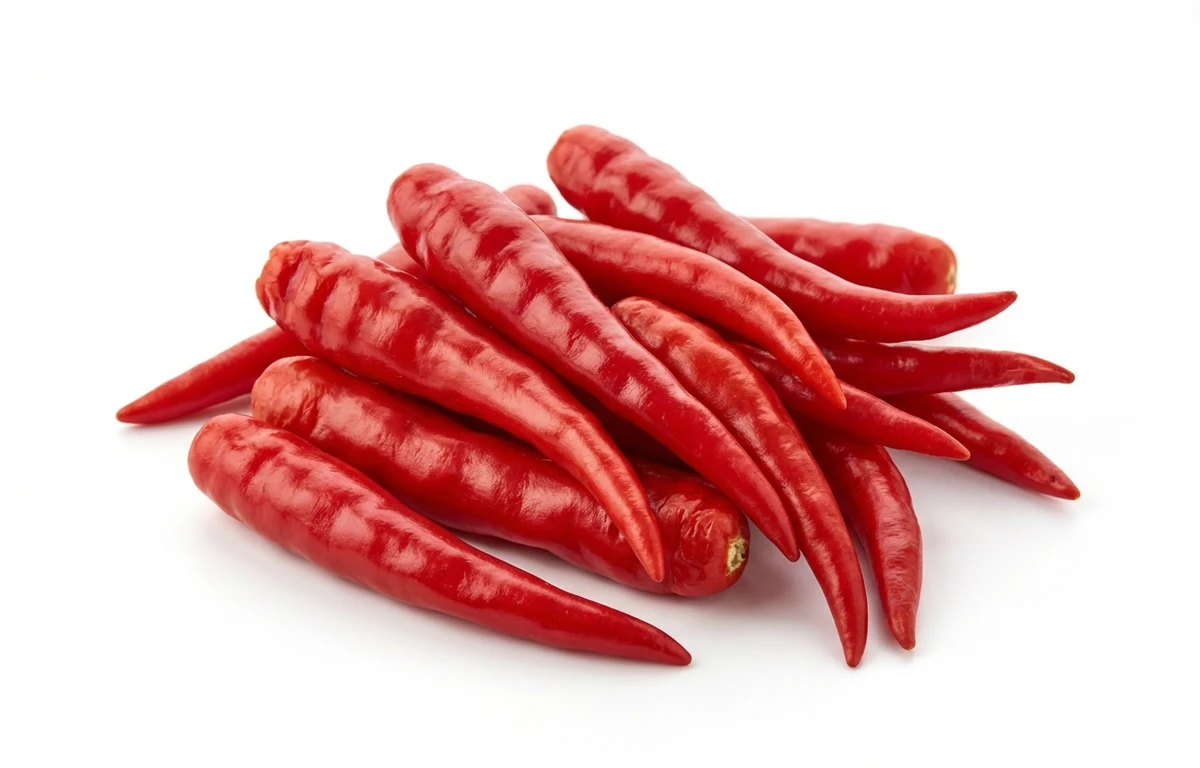
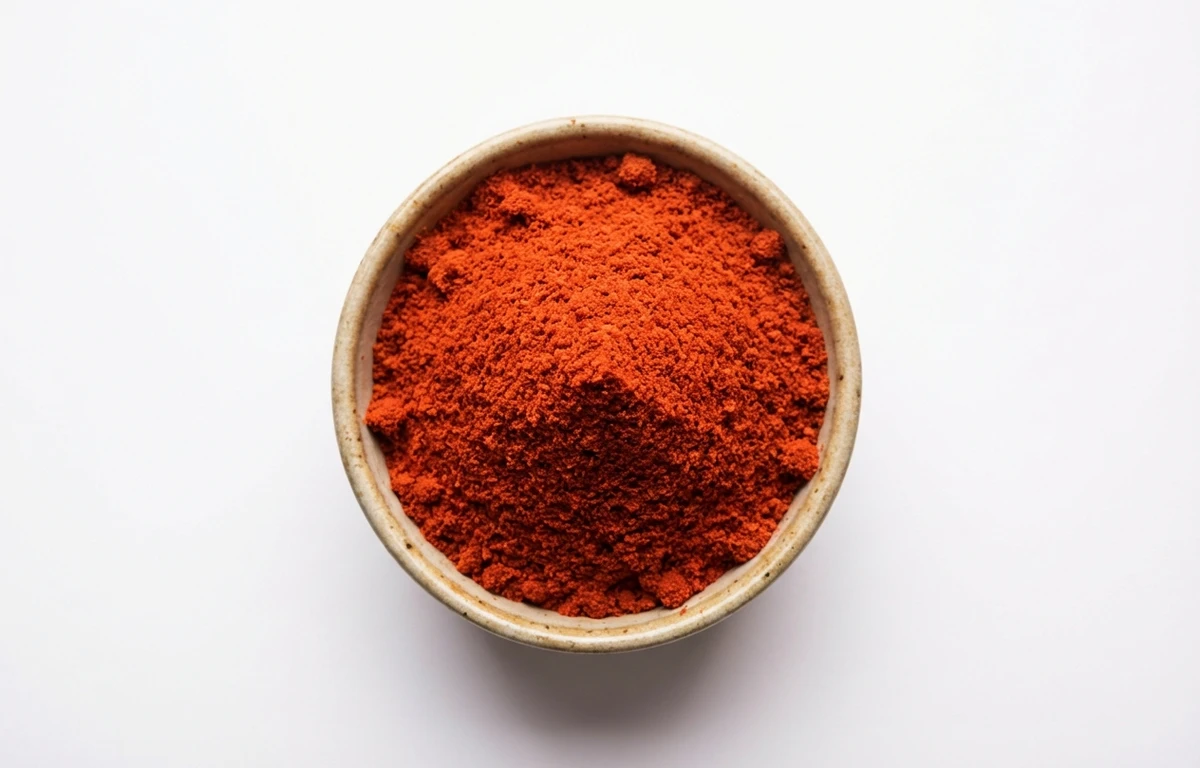
Sankeshwari Chilies.
VegetarianVeganGluten-freeDairy-freeNut-freePeanut-freeSoy-freeEgg-freeShellfish-freeHoney-freeAlcohol-free
ALSO KNOWN AS
Dried Sankeshwari Mirch
SERVING
CALORIES
324
PROTEIN
10.6g
CARBS
69.9g
FAT
5.8g
FIBER
28.7g
NUTRITION PROFILE · per 100 g
Everything in this ingredient.
MACRONUTRIENTS
Calories324kcal—
Protein10.6g21%
Carbohydrates69.9g25%
Fiber28.7g102%
Sugar10.3g21%
Total fat5.8g7%
Saturated fat0.80g4%
Trans fat0g—
Cholesterol0mg0%
Water10.8g—
MINERALS
Sodium30mg1%
Potassium1870mg40%
Calcium148mg11%
Iron7.8mg43%
Magnesium152mg36%
Phosphorus293mg23%
Zinc2.5mg23%
Copper0.37mg41%
Manganese2.0mg87%
Selenium8.8µg16%
VITAMINS
Vitamin A1480µg164%
Vitamin C0.70mg1%
Vitamin D0µg0%
Vitamin E29.8mg199%
Vitamin K80.3µg67%
Thiamin (B1)0.30mg25%
Riboflavin (B2)0.90mg69%
Niacin (B3)8.7mg54%
Pantothenic acid (B5)2.5mg50%
Vitamin B62.1mg124%
Folate (B9)51µg13%
Vitamin B120µg0%
%DV based on a 2,000 cal diet. Source: USDA FoodData Central. A dash in the %DV column means there’s no established Daily Value for that nutrient.
MEASUREMENT CONVERSIONS
How much is what.
1 cup40g
1 tablespoon6g
1 teaspoon2g
1 oz28.4g
1 lb453.6g
1 piece1.5g
HEALTH BENEFITS
Why eat it.
- ✓Contains capsaicin which may boost metabolism
- ✓High in Vitamin A for eye health
- ✓Rich in antioxidants that fight oxidative stress
- ✓May help in reducing inflammation
- ✓Aids in clearing nasal congestion
COOKING TIPS
In the kitchen.
- 1Lightly roast on a pan to release aromatic oils before grinding
- 2Remove seeds and white pith to reduce the heat level
- 3Soak in warm water for 20 minutes to create a smooth chili paste
STORAGE
Keep it fresh.
- Store in an airtight container in a cool, dark place
- Keep away from moisture to prevent mold growth
- Can be refrigerated or frozen for extended shelf life
FAQ
Frequently asked questions.
How long do dried Sankeshwari chilies last?
When stored in an airtight container in a cool, dry place, they can last for 6 to 12 months. Their color and potency may fade over time.
How do I identify high-quality Sankeshwari chilies?
Look for chilies with a deep, vibrant orange-red color and a shiny, unwrinkled skin. Avoid those with dark spots or signs of mold.
What is the best substitute for Sankeshwari chilies?
For heat, use Guntur chilies. For color, use Kashmiri or Byadgi chilies. A mix of Guntur and Byadgi is often the best replacement.
Are Sankeshwari chilies very spicy?
Yes, they are known for their high heat levels and are a primary ingredient in spicy Kolhapuri cuisine.
Can I freeze dried Sankeshwari chilies?
Yes, freezing them in a vacuum-sealed bag can preserve their flavor and heat for up to 2 years.
How should I prepare them for a curry paste?
Remove the stalks, optionally deseed them, and soak in hot water until soft before grinding into a paste.
What dishes commonly use Sankeshwari chilies?
They are essential for Maharashtrian dishes like Kolhapuri Misal, Tambda Rassa, and various spicy meat curries.
Do they provide color or just heat?
Sankeshwari chilies provide a significant amount of both heat and a bright orange-red color to dishes.
RECIPES
Cook with sankeshwari chilies.
1 recipes · sorted by what’s quick