
Other
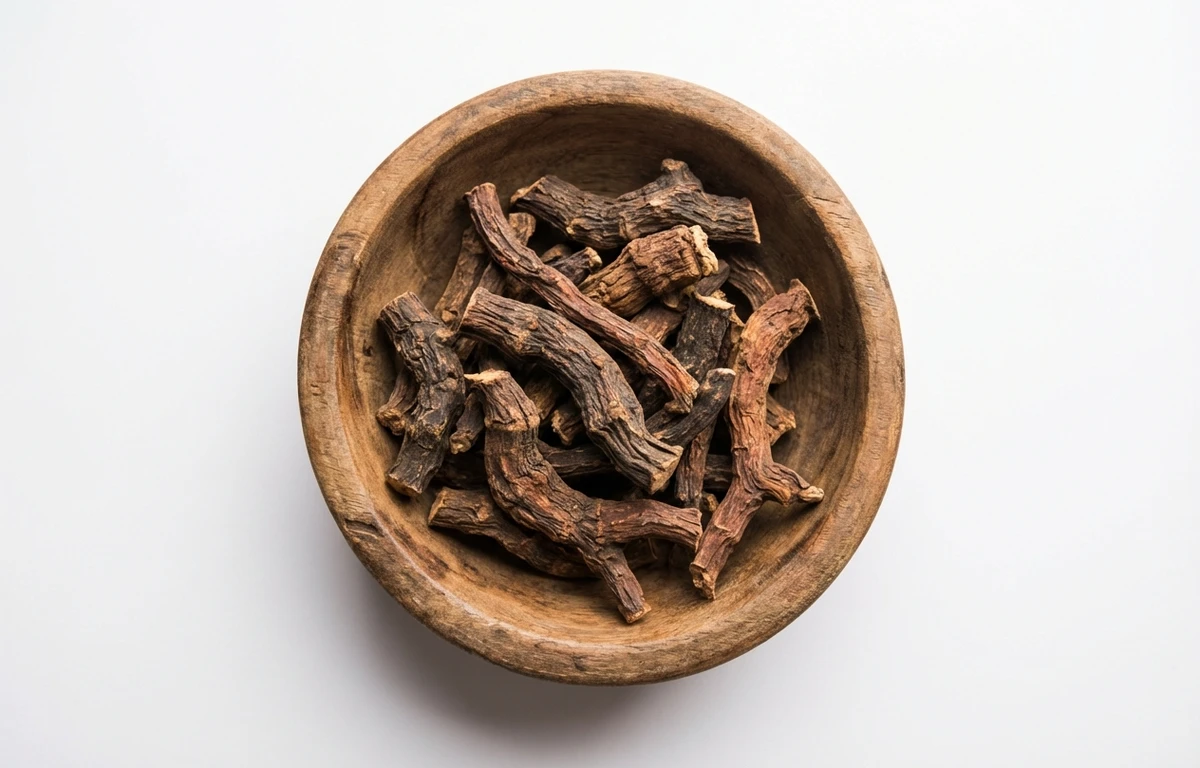
sarsaparilla root.
VegetarianVeganGluten-freeDairy-freeNut-freePeanut-freeSoy-freeEgg-freeShellfish-freeHoney-freeAlcohol-free
ALSO KNOWN AS
sarsaparilla
SERVING
CALORIES
45
PROTEIN
1.2g
CARBS
10.5g
FAT
0.30g
FIBER
8.0g
This ingredient is flagged as naturally gluten-free. Per 100 g, it provides 1.5 µg of vitamin K.
NUTRITION PROFILE · per 100 g
Everything in this ingredient.
MACRONUTRIENTS
Calories45kcal—
Protein1.2g2%
Carbohydrates10.5g4%
Fiber8.0g29%
Sugar0.50g1%
Total fat0.30g0%
Saturated fat0.05g0%
Trans fat0g—
Cholesterol0mg0%
Water12g—
MINERALS
Sodium15mg1%
Potassium280mg6%
Calcium40mg3%
Iron2.5mg14%
Magnesium35mg8%
Phosphorus25mg2%
Zinc0.40mg4%
Copper0.10mg11%
Manganese0.80mg35%
Selenium0.50µg1%
VITAMINS
Vitamin A0µg0%
Vitamin C2.0mg2%
Vitamin D0µg0%
Vitamin E0.10mg1%
Vitamin K1.5µg1%
Thiamin (B1)0.02mg2%
Riboflavin (B2)0.03mg2%
Niacin (B3)0.40mg3%
Pantothenic acid (B5)0.10mg2%
Vitamin B60.05mg3%
Folate (B9)5.0µg1%
Vitamin B120µg0%
%DV based on a 2,000 cal diet. Source: USDA FoodData Central. A dash in the %DV column means there’s no established Daily Value for that nutrient.
MEASUREMENT CONVERSIONS
How much is what.
1 cup82.8g
1 tablespoon5.2g
1 teaspoon1.7g
1 oz28.4g
1 lb453.6g
1 ml0.4g
1 liter350g
COOKING TIPS
In the kitchen.
- 1To make a tea or decoction, simmer 1-2 teaspoons of the dried root in 8-10 ounces of water for 20-30 minutes. This long simmering time is necessary to extract the flavors and compounds.
- 2Sarsaparilla is a primary flavoring in traditional root beer and sarsaparilla soda. Combine it with other spices like licorice root, vanilla bean, and wintergreen for a classic flavor profile.
- 3The flavor is earthy, sweet, and slightly bitter with notes of vanilla. It can be used to infuse syrups for cocktails, desserts, or savory glazes.
- 4Use powdered sarsaparilla sparingly as a flavoring agent in smoothies, herbal blends, or tinctures, as its taste can be quite potent.
STORAGE
Keep it fresh.
- Store dried sarsaparilla root (whole or cut) in an airtight container in a cool, dark, and dry place away from direct sunlight.
- For maximum potency, use dried root within 1-2 years. Powdered sarsaparilla root should be used within 6-12 months as it loses its flavor and potency more quickly.
FAQ
Frequently asked questions.
What is the nutritional profile of sarsaparilla root?
Per 100g, sarsaparilla root contains approximately 45 calories, 1.2g of protein, 10.5g of carbohydrates, and 0.3g of fat. While it is not a significant source of macronutrients, it is valued for its concentrated phytochemicals and minerals.
Is sarsaparilla root keto-friendly?
Yes, sarsaparilla root is generally considered keto-friendly. While it contains 10.5g of carbohydrates per 100g, it is typically consumed in very small quantities as a tea or extract, resulting in a negligible impact on daily net carb counts.
How do you prepare sarsaparilla root for consumption?
The most common way to prepare sarsaparilla is as a decoction. Simmer 1-2 teaspoons of the dried, chopped root in 1 cup of water for 10-15 minutes, then strain. This process helps extract the beneficial saponins and oils from the tough root fibers.
What does sarsaparilla root taste like?
Sarsaparilla has a unique flavor profile that is earthy, slightly bitter, and woody, with subtle notes of vanilla, wintergreen, and licorice. It is naturally mildly sweet, which is why it was historically used as a primary flavoring for soft drinks.
Is sarsaparilla root the same thing as root beer?
No, but it was a traditional ingredient in early root beer recipes. Modern root beer typically uses artificial flavorings or a combination of wintergreen and sassafras, whereas traditional sarsaparilla beverages are made specifically from the Smilax genus of vines.
How should dried sarsaparilla root be stored?
Dried sarsaparilla root should be stored in an airtight container in a cool, dark, and dry place, such as a pantry. When stored properly away from direct sunlight and moisture, the root can maintain its potency for 1 to 2 years.
Are there any side effects or precautions when using sarsaparilla root?
Sarsaparilla is generally safe for most people, but the high saponin content may cause stomach irritation or nausea in sensitive individuals if consumed in large amounts. Because it acts as a diuretic, it may interact with certain medications; consulting a healthcare provider before use is recommended.



















