beverage1 recipes
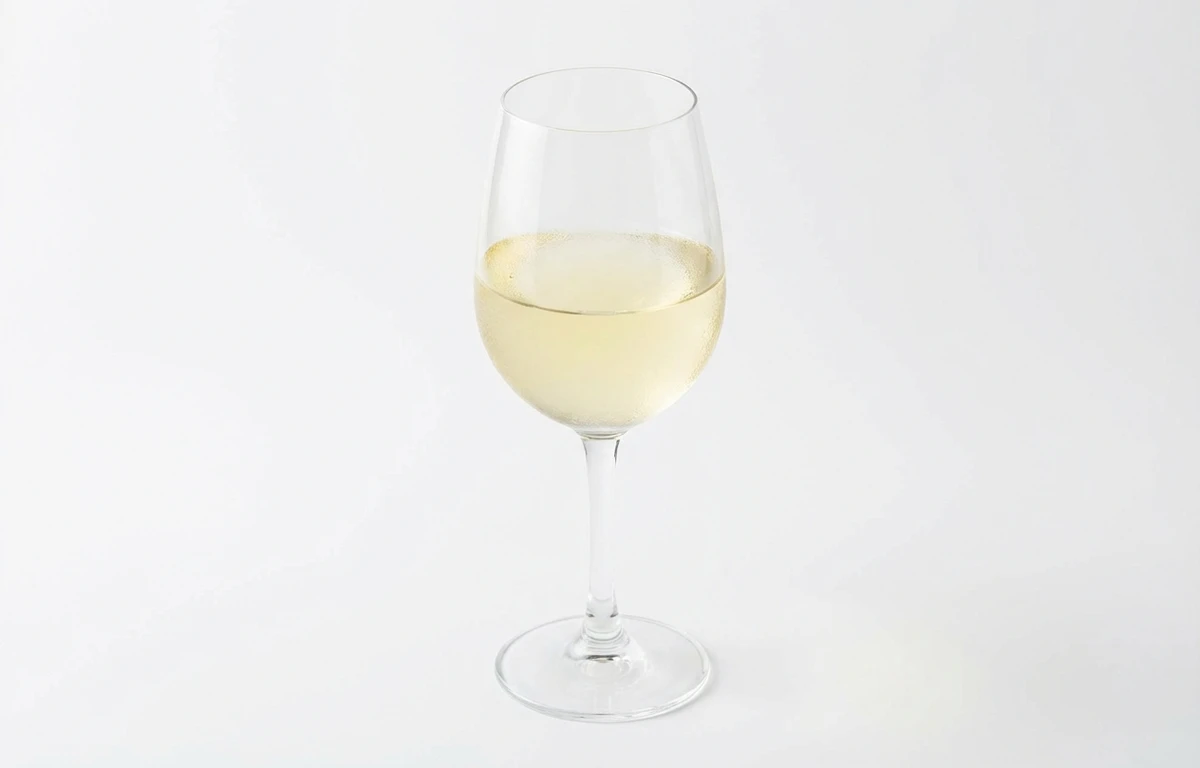
Sauvignon Blanc.
VegetarianVeganGluten-freeDairy-freeNut-freePeanut-freeSoy-freeEgg-freeShellfish-freeHoney-freeAlcohol-freeFermented
SERVING
CALORIES
82
PROTEIN
0g
CARBS
2.6g
FAT
0g
FIBER
0g
NUTRITION PROFILE · per 100 g
Everything in this ingredient.
MACRONUTRIENTS
Calories82kcal—
Protein0g0%
Carbohydrates2.6g1%
Fiber0g0%
Sugar1.5g3%
Total fat0g0%
Saturated fat0g0%
Trans fat0g—
Cholesterol0mg0%
Water86.5g—
MINERALS
Sodium2.0mg0%
Potassium100mg2%
Calcium10mg1%
Iron0.30mg2%
Magnesium10mg2%
Phosphorus10mg1%
Zinc0.05mg0%
Copper0.02mg2%
Manganese0.02mg1%
Selenium0.10µg0%
VITAMINS
Vitamin A0µg0%
Vitamin C0mg0%
Vitamin D0µg0%
Vitamin E0mg0%
Vitamin K0µg0%
Thiamin (B1)0.01mg1%
Riboflavin (B2)0.01mg1%
Niacin (B3)0.10mg1%
Pantothenic acid (B5)0.05mg1%
Vitamin B60.05mg3%
Folate (B9)1.0µg0%
Vitamin B120µg0%
%DV based on a 2,000 cal diet. Source: USDA FoodData Central. A dash in the %DV column means there’s no established Daily Value for that nutrient.
MEASUREMENT CONVERSIONS
How much is what.
1 cup236.4g
1 tablespoon14.8g
1 teaspoon4.9g
1 oz29.1g
1 lb453.6g
1 ml1g
1 liter985g
HEALTH BENEFITS
Why eat it.
- ✓Contains antioxidants (resveratrol) from grapes.
- ✓Moderate consumption may support cardiovascular health.
- ✓May contribute to bone density in some studies (moderate intake).
COOKING TIPS
In the kitchen.
- 1Excellent for deglazing pans after sautéing vegetables or seafood.
- 2Use in marinades for chicken or fish to add acidity and flavor.
- 3Pairs well with goat cheese, seafood, chicken, and light pasta dishes.
STORAGE
Keep it fresh.
- Store unopened bottles in a cool, dark place away from direct sunlight and vibrations.
- Serve chilled, typically between 8-12°C (46-54°F).
- Once opened, reseal tightly and refrigerate; consume within 2-3 days for best quality.
FAQ
Frequently asked questions.
Is Sauvignon Blanc healthy?
In moderation, Sauvignon Blanc provides antioxidants like resveratrol from grapes, which may support cardiovascular health. Some studies also suggest moderate intake could contribute to bone density. However, these benefits are only associated with responsible consumption, as excessive alcohol intake poses significant health risks.
How many calories and carbs are in Sauvignon Blanc?
A 100g serving of Sauvignon Blanc contains approximately 82 calories and 2.6g of carbohydrates. It contains no protein or fat. Most of the calories in this wine come from the alcohol content and a small amount of residual sugar.
Is Sauvignon Blanc vegan?
While the primary ingredient is grapes, Sauvignon Blanc is not always vegan. Some winemakers use animal-derived fining agents like isinglass (fish bladder), gelatin, or egg whites to clarify the wine. To be sure, look for bottles specifically labeled as 'vegan'.
Is Sauvignon Blanc keto-friendly?
Sauvignon Blanc is considered one of the more keto-friendly alcoholic beverages because it is a dry wine with relatively low sugar. With only 2.6g of carbs per 100g, it can fit into a low-carb diet, though alcohol may temporarily slow down fat metabolism.
What does Sauvignon Blanc taste like?
Sauvignon Blanc is known for its high acidity and crisp, refreshing profile. It typically features vibrant flavors of citrus (like grapefruit and lime), green apple, and tropical fruits, often accompanied by herbal notes like freshly cut grass or bell pepper.
Can I use Sauvignon Blanc for cooking?
Yes, Sauvignon Blanc is an excellent choice for cooking due to its high acidity and citrus notes. It is frequently used to deglaze pans, enhance seafood dishes, or add brightness to cream-based sauces and risottos.
How should I store an opened bottle of Sauvignon Blanc?
Once opened, you should recork the bottle tightly and store it in the refrigerator. It will typically stay fresh for 3 to 5 days. Using a vacuum wine stopper can help extend its shelf life by removing excess oxygen from the bottle.
What is the ideal serving temperature for Sauvignon Blanc?
Sauvignon Blanc is best served chilled, ideally between 7°C and 10°C (45-50°F). Serving it at this temperature highlights its crisp acidity and aromatic fruit profile without making the alcohol taste too sharp.
Is Sauvignon Blanc gluten-free?
Yes, Sauvignon Blanc is naturally gluten-free as it is made from fermented grapes. It is safe for individuals with celiac disease or gluten sensitivities, provided no gluten-containing additives were introduced during the bottling process.
Is Sauvignon Blanc good for weight loss?
While it is lower in calories than many sweet wines or mixed cocktails, it still provides 82 calories per 100g. Because these are 'empty calories' that offer little nutritional value, it should be consumed sparingly if you are strictly monitoring your caloric intake for weight loss.
RECIPES
Cook with sauvignon blanc.
1 recipes · sorted by what’s quick