Other10 recipes
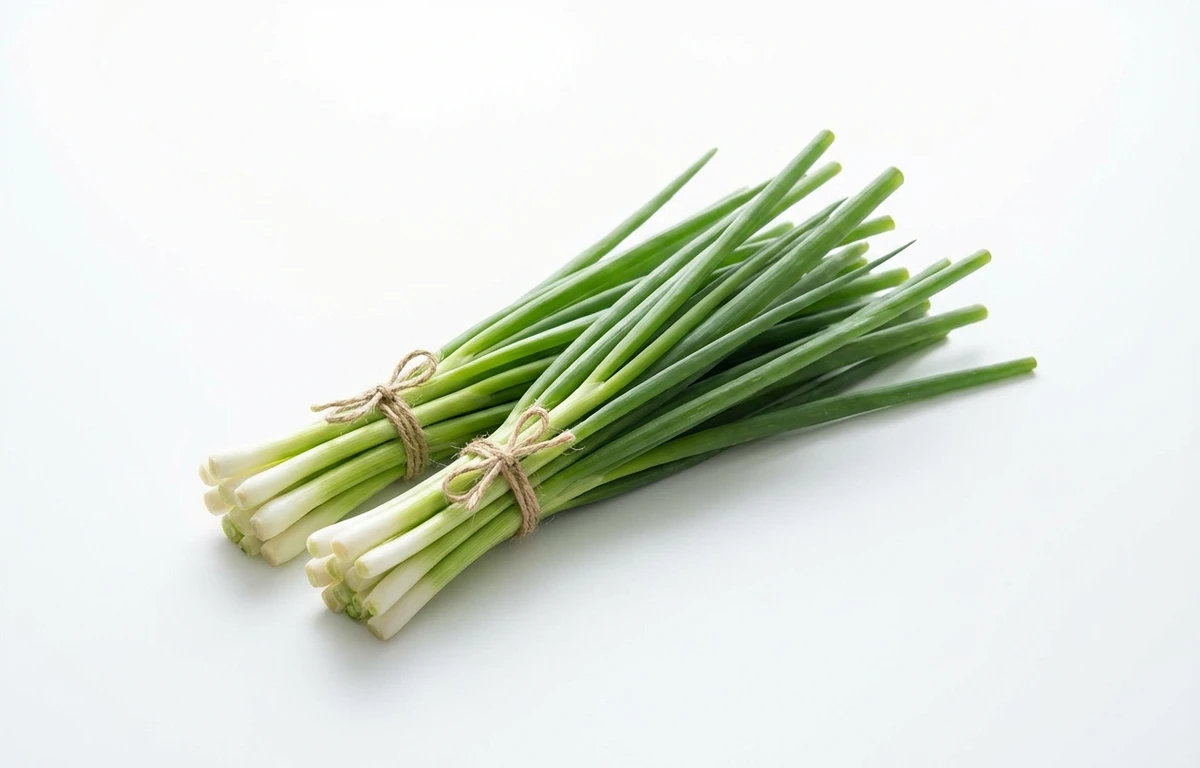
scallion greens.
VegetarianVeganGluten-freeDairy-freeNut-freePeanut-freeSoy-freeEgg-freeShellfish-freeHoney-freeAlcohol-free
ALSO KNOWN AS
green onion topsspring onion greenshara pyaz ke pattescallion topsgreen shallot tops
SERVING
CALORIES
32
PROTEIN
1.8g
CARBS
7.3g
FAT
0.20g
FIBER
2.6g
NUTRITION PROFILE · per 100 g
Everything in this ingredient.
MACRONUTRIENTS
Calories32kcal—
Protein1.8g4%
Carbohydrates7.3g3%
Fiber2.6g9%
Sugar2.3g5%
Total fat0.20g0%
Saturated fat0.03g0%
Trans fat0g—
Cholesterol0mg0%
Water89.8g—
MINERALS
Sodium16mg1%
Potassium276mg6%
Calcium72mg6%
Iron1.5mg8%
Magnesium20mg5%
Phosphorus37mg3%
Zinc0.39mg4%
Copper0.08mg9%
Manganese0.16mg7%
Selenium0.60µg1%
VITAMINS
Vitamin A50µg6%
Vitamin C18.8mg21%
Vitamin D0µg0%
Vitamin E0.55mg4%
Vitamin K207µg173%
Thiamin (B1)0.06mg5%
Riboflavin (B2)0.08mg6%
Niacin (B3)0.50mg3%
Pantothenic acid (B5)0.08mg2%
Vitamin B60.06mg4%
Folate (B9)64µg16%
Vitamin B120µg0%
%DV based on a 2,000 cal diet. Source: USDA FoodData Central. A dash in the %DV column means there’s no established Daily Value for that nutrient.
MEASUREMENT CONVERSIONS
How much is what.
1 cup50g
1 tablespoon3g
1 teaspoon1g
1 oz28.4g
1 lb453.6g
1 piece10g
HEALTH BENEFITS
Why eat it.
- ✓High in Vitamin K for bone health and blood clotting
- ✓Rich in Vitamin A to support eye health and vision
- ✓Contains antioxidants that help reduce inflammation
- ✓Good source of Vitamin C for immune system support
- ✓Low in calories and high in fiber for weight management
COOKING TIPS
In the kitchen.
- 1Add at the very end of cooking to preserve the bright color and fresh flavor
- 2Slice on a sharp bias (diagonal) for a more professional garnish appearance
- 3Use as a milder alternative to onions in salads, salsas, and dips
STORAGE
Keep it fresh.
- Wrap in a damp paper towel and store in a plastic bag in the crisper drawer
- Store upright in a jar with an inch of water, covering the tops with a bag
- Can be chopped and frozen in an airtight container for use in cooked dishes
FAQ
Frequently asked questions.
How long do scallion greens last in the fridge?
When stored properly in a damp paper towel or a jar of water, they typically last 5 to 7 days.
Can you eat the green part of a green onion raw?
Yes, the green parts are most commonly eaten raw as a garnish or in salads for their mild, fresh flavor.
What is the difference between scallions and green onions?
They are the same thing; 'scallion' and 'green onion' are different names for the same Allium fistulosum plant.
How do I pick the best scallions?
Look for bright green, crisp tops. Avoid any that are yellowing, wilted, or feel slimy.
What can I use as a substitute for scallion greens?
Fresh chives are the best substitute. Leek greens (finely sliced) or very thin slices of red onion can also work.
Are scallion greens considered a root vegetable?
While the plant grows from a bulb, the greens are the leaves. However, they are still avoided in strict Jain diets as they are part of the onion family.
How do I clean scallion greens?
Rinse them under cold running water, ensuring you check inside the hollow tubes for any trapped dirt or grit.
Can I freeze scallion greens?
Yes, you can chop them and freeze them. They will lose their crispness, so they are best used in cooked dishes like soups or stir-fries after freezing.
Are scallion greens high in vitamins?
Yes, they are particularly high in Vitamin K, Vitamin A, and Vitamin C relative to their low calorie count.
RECIPES
Cook with scallion greens.
10 recipes · sorted by what’s quick