
Meat
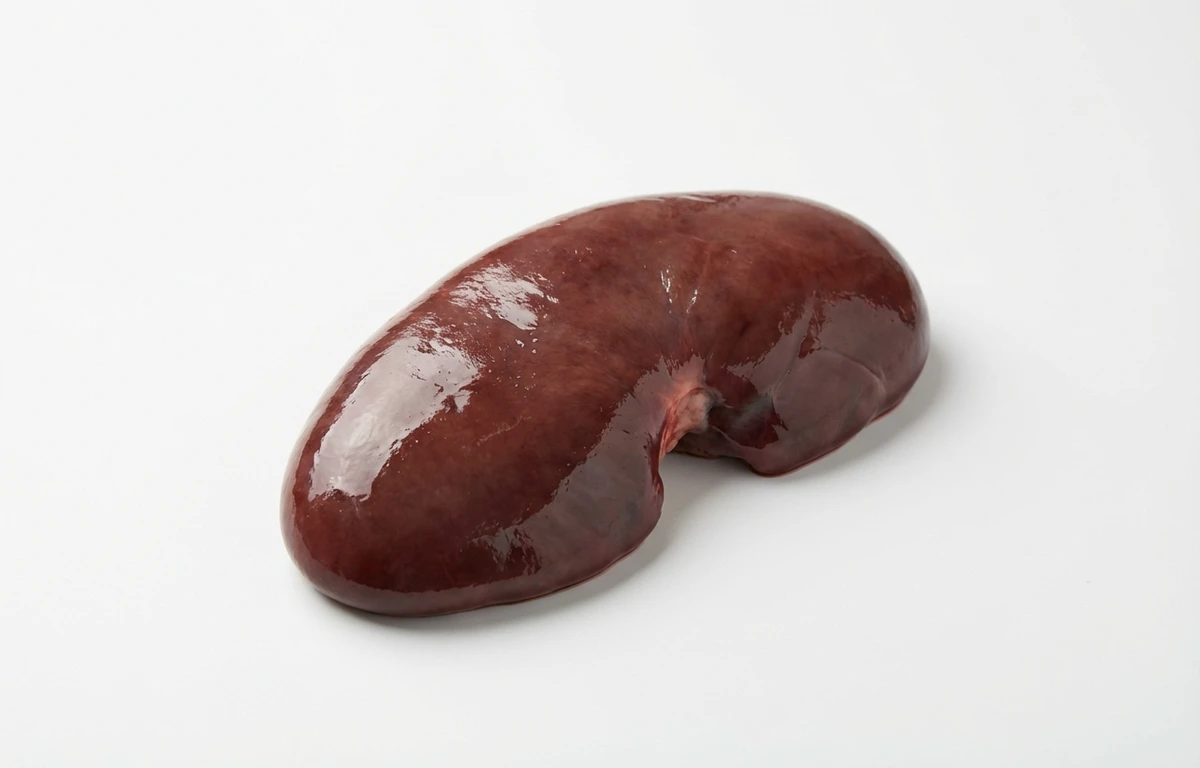
sea lion kidney.
VegetarianVeganGluten-freeDairy-freeNut-freePeanut-freeSoy-freeEgg-freeShellfish-freeHoney-freeAlcohol-freeHalalKosher
SERVING
CALORIES
125
PROTEIN
19.2g
CARBS
0g
FAT
4.5g
FIBER
0g
This ingredient is flagged as naturally gluten-free. Per 100 g, it provides 1.0 µg of vitamin K.
NUTRITION PROFILE · per 100 g
Everything in this ingredient.
MACRONUTRIENTS
Calories125kcal—
Protein19.2g38%
Carbohydrates0g0%
Fiber0g0%
Sugar0g0%
Total fat4.5g6%
Saturated fat1.2g6%
Trans fat0g—
Cholesterol350mg117%
Water75g—
MINERALS
Sodium180mg8%
Potassium260mg6%
Calcium12mg1%
Iron15mg83%
Magnesium18mg4%
Phosphorus240mg19%
Zinc3.5mg32%
Copper0.60mg67%
Manganese0.10mg4%
Selenium120µg218%
VITAMINS
Vitamin A15000µg1667%
Vitamin C5.0mg6%
Vitamin D1.5µg8%
Vitamin E0.50mg3%
Vitamin K1.0µg1%
Thiamin (B1)0.30mg25%
Riboflavin (B2)2.0mg154%
Niacin (B3)8.0mg50%
Pantothenic acid (B5)3.5mg70%
Vitamin B60.50mg29%
Folate (B9)80µg20%
Vitamin B1245µg1875%
%DV based on a 2,000 cal diet. Source: USDA FoodData Central. A dash in the %DV column means there’s no established Daily Value for that nutrient.
MEASUREMENT CONVERSIONS
How much is what.
1 oz28.4g
1 lb453.6g
1 piece1100g
HEALTH BENEFITS
Why eat it.
- ✓Extremely rich in Vitamin B12, essential for nerve function and the formation of red blood cells.
COOKING TIPS
In the kitchen.
- 1Soak the kidney in milk or salted water for at least 30-60 minutes before cooking to mellow its strong, gamey flavor.
- 2Carefully remove the tough outer membrane and the white central core (gristle) before cooking to ensure a more tender texture.
- 3Cook quickly using high-heat methods like pan-searing or grilling to avoid toughness. Alternatively, dice and use in slow-cooked stews or pies.
STORAGE
Keep it fresh.
- For fresh consumption, store in the coldest part of the refrigerator (below 40°F / 4°C) in an airtight container and use within 1-2 days.
- For long-term storage, wrap tightly in plastic wrap and then place in a freezer-safe bag. Freeze at 0°F / -18°C for up to 3 months.
FAQ
Frequently asked questions.
How much protein and calories are in sea lion kidney?
A 100g serving of sea lion kidney contains approximately 125 calories and 19.2g of protein. It is a lean protein source with 4.5g of fat and 0g of carbohydrates.
Is sea lion kidney keto-friendly?
Yes, sea lion kidney is highly keto-friendly and suitable for low-carb diets. With zero carbohydrates and a high protein-to-fat ratio, it fits well into a ketogenic nutritional plan.
What does sea lion kidney taste like?
Like most offal, it has a dense texture and a strong, metallic, and gamey flavor. Because it is a marine mammal, it often carries a distinct oceanic or 'briny' undertone that is more intense than beef or pork kidney.
How do you prepare sea lion kidney for cooking?
It should be cleaned by removing the outer membrane and any tough internal connective tissue. Soaking the sliced kidney in milk, lemon water, or brine for a few hours before cooking is recommended to mellow the strong flavor and remove impurities.
Are there any risks associated with eating sea lion kidney?
While rich in nutrients, sea lion kidney can contain high levels of Vitamin A and heavy metals like cadmium or mercury. It should be consumed in moderation, and consumers should be aware of local wildlife harvesting regulations and safety advisories.
Can I substitute sea lion kidney with other ingredients?
Beef or pork kidneys are the best substitutes for sea lion kidney in recipes. While the land-based versions lack the specific oceanic flavor, they provide a similar texture and high iron content.
How do you store sea lion kidney?
Fresh sea lion kidney should be kept in an airtight container in the refrigerator and consumed within 1 to 2 days. For long-term storage, it can be frozen for up to 4 months, though the texture may become slightly softer upon thawing.
How do you know if sea lion kidney is fresh?
Fresh sea lion kidney should have a deep, uniform color and a firm, springy texture. It should smell slightly metallic or like the ocean; if it has a strong ammonia scent or feels slimy to the touch, it has likely spoiled.



















