
Meat
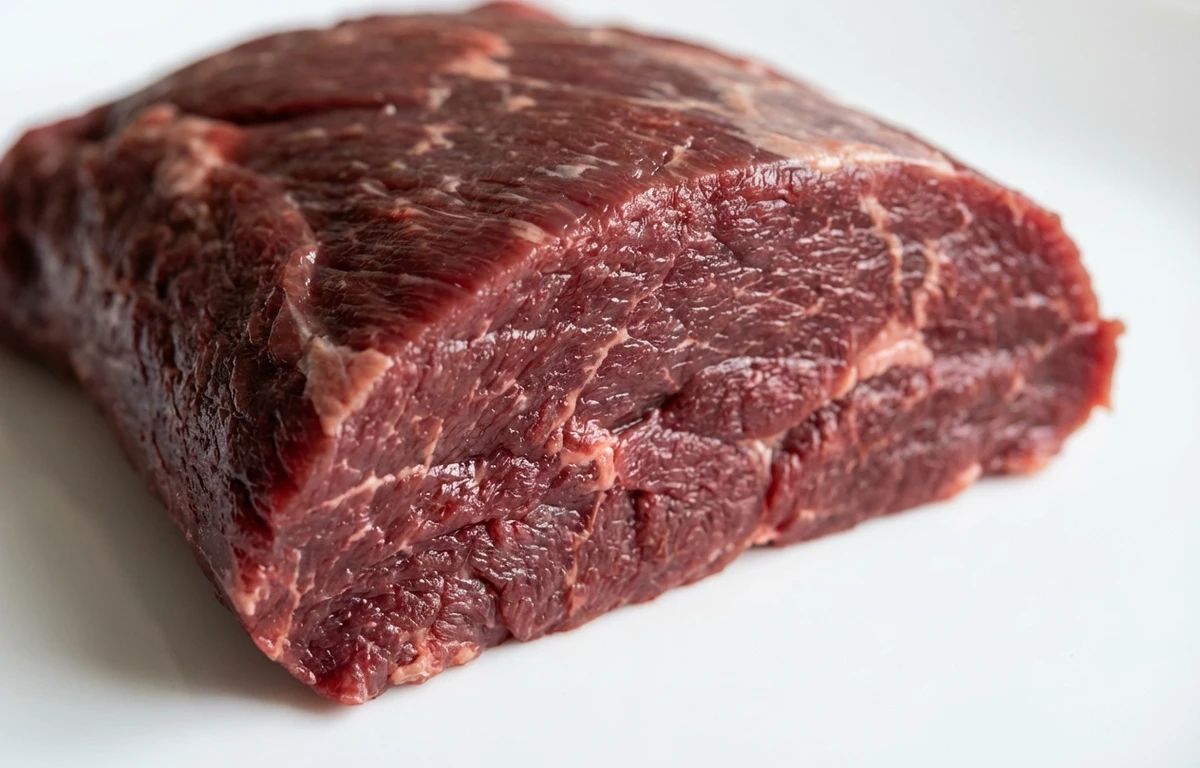
sea lion meat.
VegetarianVeganGluten-freeDairy-freeNut-freePeanut-freeSoy-freeEgg-freeShellfish-freeHoney-freeAlcohol-freeHalalKosher
SERVING
CALORIES
110
PROTEIN
23g
CARBS
0g
FAT
2.0g
FIBER
0g
This ingredient is flagged as naturally gluten-free. Per 100 g, it provides 0 µg of vitamin K.
NUTRITION PROFILE · per 100 g
Everything in this ingredient.
MACRONUTRIENTS
Calories110kcal—
Protein23g46%
Carbohydrates0g0%
Fiber0g0%
Sugar0g0%
Total fat2.0g3%
Saturated fat0.60g3%
Trans fat0g—
Cholesterol70mg23%
Water74g—
MINERALS
Sodium60mg3%
Potassium300mg6%
Calcium10mg1%
Iron18mg100%
Magnesium25mg6%
Phosphorus200mg16%
Zinc3.0mg27%
Copper0.20mg22%
Manganese0.02mg1%
Selenium35µg64%
VITAMINS
Vitamin A15µg2%
Vitamin C0mg0%
Vitamin D1.5µg8%
Vitamin E0.50mg3%
Vitamin K0µg0%
Thiamin (B1)0.10mg8%
Riboflavin (B2)0.30mg23%
Niacin (B3)5.0mg31%
Pantothenic acid (B5)0.50mg10%
Vitamin B60.40mg24%
Folate (B9)5.0µg1%
Vitamin B1210µg417%
%DV based on a 2,000 cal diet. Source: USDA FoodData Central. A dash in the %DV column means there’s no established Daily Value for that nutrient.
MEASUREMENT CONVERSIONS
How much is what.
1 cup150g
1 oz28.4g
1 lb453.6g
1 piece120g
HEALTH BENEFITS
Why eat it.
- ✓Provides a high concentration of complete protein, essential for muscle growth, tissue repair, and enzyme production.
- ✓Rich in B vitamins, particularly Vitamin B12, which is crucial for nerve function and the formation of red blood cells.
COOKING TIPS
In the kitchen.
- 1Sea lion meat is very lean and has a strong, gamey flavor; marinating it for several hours in an acidic liquid with herbs can help tenderize it and mellow the taste.
- 2Due to its low fat content, cook it quickly over high heat (like searing or grilling) to rare or medium-rare to avoid toughness, or use slow, moist-heat methods like braising or stewing.
- 3Trim away the blubber before cooking unless you desire a very strong, fishy flavor, as the fat holds most of the potent taste.
- 4Pair with robust ingredients like juniper, bay leaves, garlic, or smoky sauces to complement its rich and distinctive flavor profile.
STORAGE
Keep it fresh.
- Refrigerate fresh meat immediately at or below 40°F (4°C) in an airtight container and consume within 2-3 days.
- For long-term storage, vacuum-seal or wrap tightly in freezer paper and freeze at 0°F (-18°C), where it can be stored for 6 to 12 months.
FAQ
Frequently asked questions.
Is sea lion meat healthy?
Yes, sea lion meat is highly nutritious and lean. It provides a massive 23g of protein per 100g serving with only 2g of fat, making it an excellent source of high-quality protein for muscle repair and metabolic health.
How many calories and carbs are in sea lion meat?
Sea lion meat is very low in calories, containing approximately 110 calories per 100g serving. It contains zero carbohydrates, making it a pure protein source suitable for various low-carb dietary patterns.
Is sea lion meat keto-friendly?
Yes, sea lion meat is perfectly suited for a ketogenic diet. With 0g of carbs and a high protein-to-fat ratio, it helps maintain ketosis while providing essential fatty acids and minerals.
Is sea lion meat halal or kosher?
Sea lion meat is generally not considered kosher as it lacks the scales and fins required for sea creatures. In Islamic dietary law (halal), views vary; some schools consider all sea creatures permissible, while others exclude marine mammals.
What does sea lion meat taste like?
The flavor is often described as a combination of very lean beef and dark, oily fish. It has a pronounced gamey taste and a slightly metallic finish due to its extremely high iron content.
How do you cook sea lion meat?
Because it is very lean, it can become tough if overcooked. It is best prepared by searing quickly over high heat to medium-rare, or by slow-cooking in stews and braises to break down the dense muscle fibers.
Are there any safety concerns with eating sea lion meat?
As apex predators, sea lions can accumulate heavy metals like mercury or cadmium in their tissues. It is advisable to consume it in moderation and check local health advisories regarding the source of the meat.
Can sea lion meat help with iron deficiency?
Yes, it is one of the densest sources of heme iron available. Heme iron is more easily absorbed by the human body than plant-based iron, making this meat highly effective for improving iron levels and energy.



















