
Loading...
Per 100g
Nutrition data source: USDA FoodData Central
Common measurement equivalents in grams
Sea salt and table salt have similar sodium content by weight. While sea salt contains trace minerals like magnesium, potassium, and calcium, these amounts are usually too small to provide significant nutritional benefits over table salt. The main difference lies in the texture and flavor profile.
Sea salt provides essential electrolytes, primarily sodium and chloride, which are vital for maintaining fluid balance, nerve impulse transmission, and proper muscle function. It helps the body stay hydrated and supports healthy blood pressure levels when consumed in moderation.
Fine sea salt is approximately 40% sodium. One teaspoon (roughly 6 grams) contains about 2,300 mg of sodium, which is the maximum recommended daily intake for most healthy adults according to health guidelines.
Yes, sea salt is a naturally occurring mineral harvested from evaporated seawater. It is inherently vegan, gluten-free, and free from any animal-derived ingredients or grain proteins.
Yes, sea salt is highly recommended for those on a ketogenic diet. It helps replenish electrolytes that are often lost during ketosis, which can help mitigate symptoms of the 'keto flu' such as headaches and fatigue.
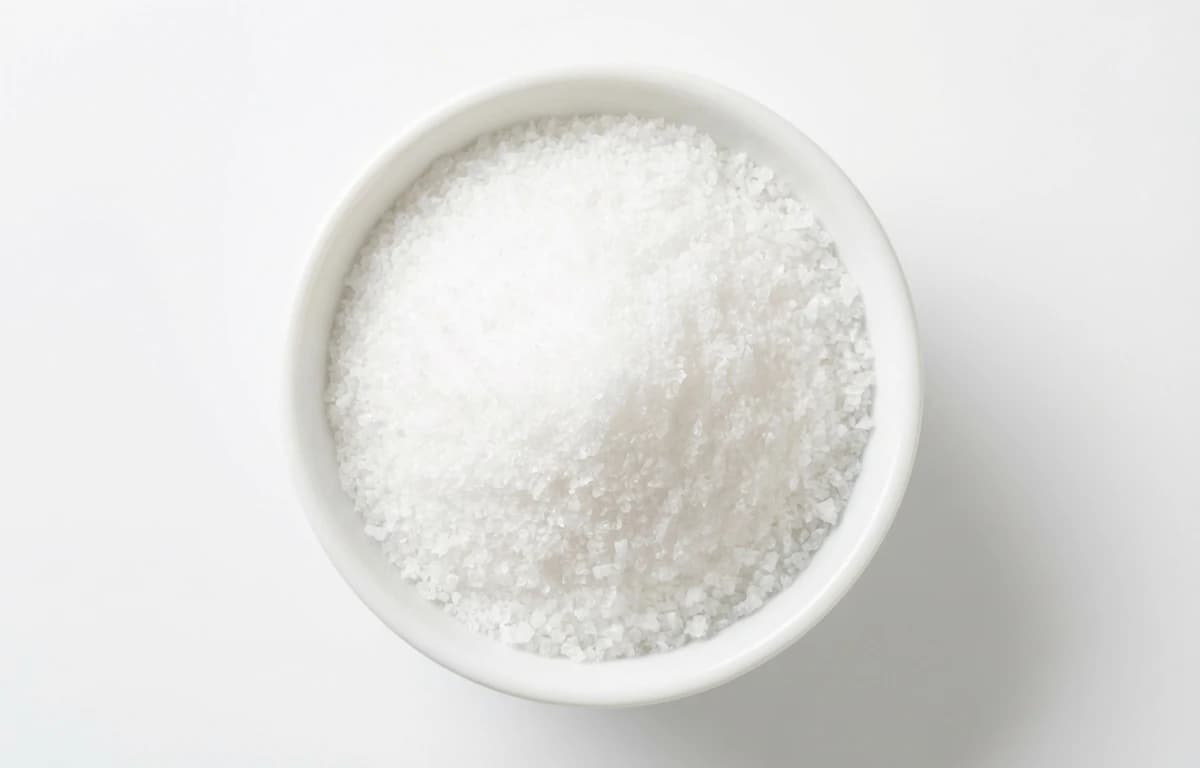
Fine sea salt has small, uniform grains that dissolve quickly, making it ideal for baking and general cooking. Coarse sea salt has larger crystals that are better suited for salt grinders, brining, or as a finishing salt for added texture.
Yes, you can generally substitute fine sea salt for table salt in a 1:1 ratio because their grain sizes are similar. If substituting for coarse salt, you may need to use slightly less fine salt by volume, as the smaller grains pack more tightly into a measuring spoon.
Sea Salt, fine is a versatile ingredient found in cuisines around the world. With its calories per 100g and valuable grams of protein, it's a nutritious addition to many dishes.
Explore more ingredients in the mineral category with complete nutrition information.
View all mineral →Discover 1 recipes featuring sea salt, fine with step-by-step instructions.
Browse recipes →Most sea salt is not iodized and contains only trace amounts of naturally occurring iodine from the ocean. If you rely on salt for your iodine intake, check the label to see if it has been specifically fortified, or ensure you get iodine from other dietary sources like seafood or dairy.
Store fine sea salt in a cool, dry place in an airtight container. Salt is hygroscopic, meaning it absorbs moisture from the air, which can cause it to clump; keeping it sealed prevents this and maintains its free-flowing texture.
Pure sea salt has an indefinite shelf life and does not expire because it is a mineral. However, if the salt contains added anti-caking agents or flavorings, the quality of those additives may diminish over several years.