
Other
seafood stock.
VegetarianVeganGluten-freeDairy-freeNut-freePeanut-freeSoy-freeEgg-freeShellfish-freeHoney-freeAlcohol-free
ALSO KNOWN AS
seafood stockSeafood Broth
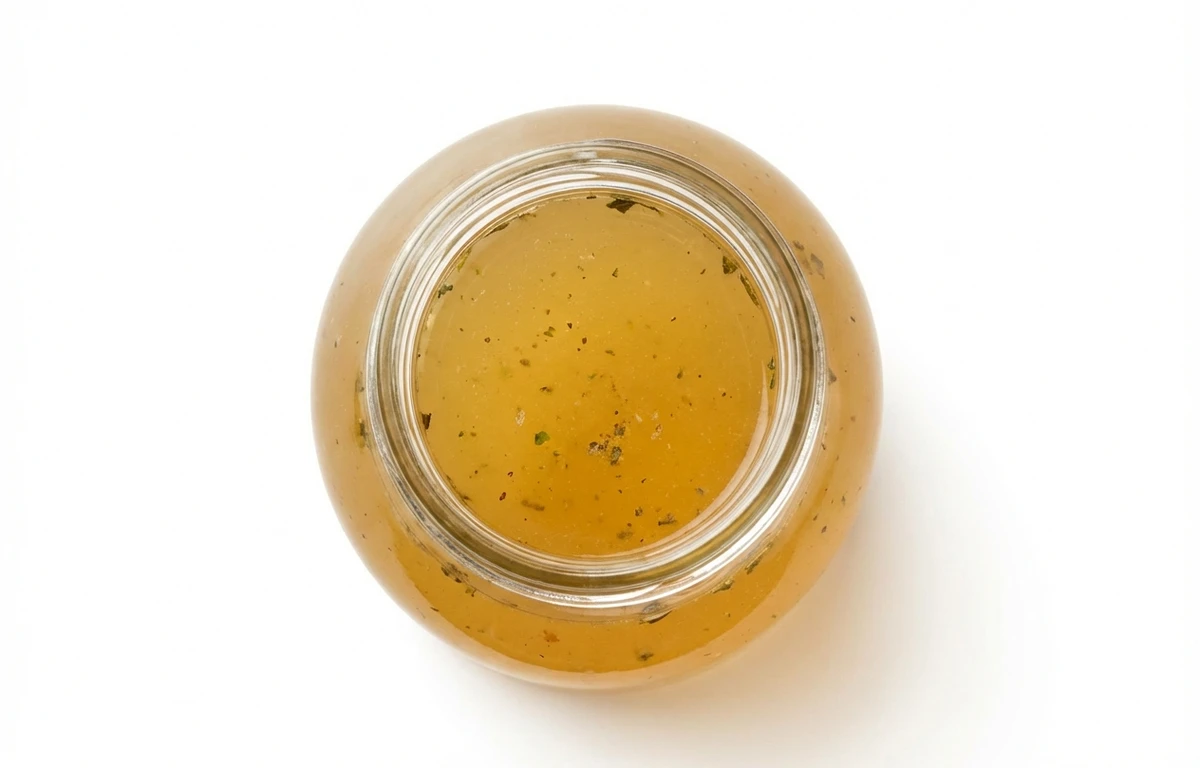
SERVING
CALORIES
15
PROTEIN
1.5g
CARBS
1.0g
FAT
0.20g
FIBER
0g
This ingredient is flagged as naturally gluten-free. Per 100 g, it provides 0.10 µg of vitamin K.
NUTRITION PROFILE · per 100 g
Everything in this ingredient.
MACRONUTRIENTS
Calories15kcal—
Protein1.5g3%
Carbohydrates1.0g0%
Fiber0g0%
Sugar0.50g1%
Total fat0.20g0%
Saturated fat0.05g0%
Trans fat0g—
Cholesterol2.0mg1%
Water97g—
MINERALS
Sodium350mg15%
Potassium50mg1%
Calcium10mg1%
Iron0.20mg1%
Magnesium5.0mg1%
Phosphorus20mg2%
Zinc0.10mg1%
Copper0.02mg2%
Manganese0.01mg0%
Selenium1.5µg3%
VITAMINS
Vitamin A5.0µg1%
Vitamin C0.50mg1%
Vitamin D0.10µg1%
Vitamin E0.05mg0%
Vitamin K0.10µg0%
Thiamin (B1)0.01mg1%
Riboflavin (B2)0.02mg2%
Niacin (B3)0.50mg3%
Pantothenic acid (B5)0.10mg2%
Vitamin B60.02mg1%
Folate (B9)2.0µg1%
Vitamin B120.20µg8%
%DV based on a 2,000 cal diet. Source: USDA FoodData Central. A dash in the %DV column means there’s no established Daily Value for that nutrient.
MEASUREMENT CONVERSIONS
How much is what.
1 cup233g
1 tablespoon14.6g
1 teaspoon4.9g
1 ml1g
1 liter970.8g
HEALTH BENEFITS
Why eat it.
- ✓Provides collagen and gelatin, which may support joint, skin, and gut health.
- ✓A source of minerals like iodine, calcium, and phosphorus extracted from fish bones and shells.
- ✓A hydrating, low-calorie base for soups and sauces.
- ✓Contains omega-3 fatty acids, particularly if made with fatty fish bones, supporting heart and brain health.
COOKING TIPS
In the kitchen.
- 1Use as the foundational liquid for classic seafood dishes like bouillabaisse, cioppino, paella, and risotto.
- 2Reduce the stock with white wine, garlic, and herbs to create a flavorful pan sauce for fish or pasta.
- 3When making from scratch, toast shrimp or lobster shells in a little oil before adding water to intensify the flavor.
- 4Simmer, don't boil, the stock to ensure a clear, clean flavor and prevent it from becoming cloudy or bitter.
STORAGE
Keep it fresh.
- Refrigerate fresh or opened stock in an airtight container and use within 4-5 days.
- Freeze in portioned containers or ice cube trays for up to 6 months. This allows for easy use in smaller quantities.
FAQ
Frequently asked questions.
Is seafood stock healthy?
Yes, seafood stock is a nutrient-dense, low-calorie base for many dishes. It is rich in minerals like iodine and phosphorus and provides collagen and gelatin, which are beneficial for joint, skin, and gut health.
How many calories and protein are in seafood stock?
Seafood stock is very light, containing approximately 15 calories and 1.5 grams of protein per 100g. It is also very low in fat (0.2g) and carbohydrates (1g), making it an excellent choice for calorie-conscious diets.
Is seafood stock keto-friendly?
Yes, seafood stock is highly keto-friendly and suitable for low-carb diets. With only 1 gram of carbohydrates per 100g and no sugar, it serves as a flavorful base for soups and sauces without impacting ketosis.
Is seafood stock gluten-free?
Naturally prepared seafood stock made from fish bones, shells, and vegetables is gluten-free. However, if you are buying pre-packaged stock, check the label for additives like yeast extract or thickeners that may contain gluten.
What is the difference between seafood stock and fish stock?
Fish stock is made specifically from fish bones and heads, resulting in a lighter flavor. Seafood stock is broader and usually includes shells from crustaceans like shrimp, lobster, or crab, which gives it a deeper color and a sweeter, more complex briny taste.
What can I substitute for seafood stock?
The best substitute is clam juice diluted with a bit of water. Alternatively, you can use a light vegetable stock or a very mild chicken broth, though these will lack the specific briny depth that seafood stock provides.
How long does seafood stock last in the fridge?
Freshly made or opened store-bought seafood stock should be kept in an airtight container in the refrigerator. It is best used within 3 to 4 days to ensure freshness and safety.
Can you freeze seafood stock?
Yes, seafood stock freezes exceptionally well. You can freeze it in airtight containers or even in ice cube trays for smaller portions; it will remain high quality for up to 2 to 3 months.
What does seafood stock taste like?
Seafood stock has a savory, briny, and slightly sweet flavor profile. It captures the essence of the ocean and provides a rich umami base for dishes like paella, bouillabaisse, and seafood risotto.
Does seafood stock contain omega-3 fatty acids?
Yes, seafood stock can be a source of omega-3 fatty acids, particularly if it is prepared using the bones and heads of fatty fish. These fats are known to support heart and brain health.



















