fruit1 recipes
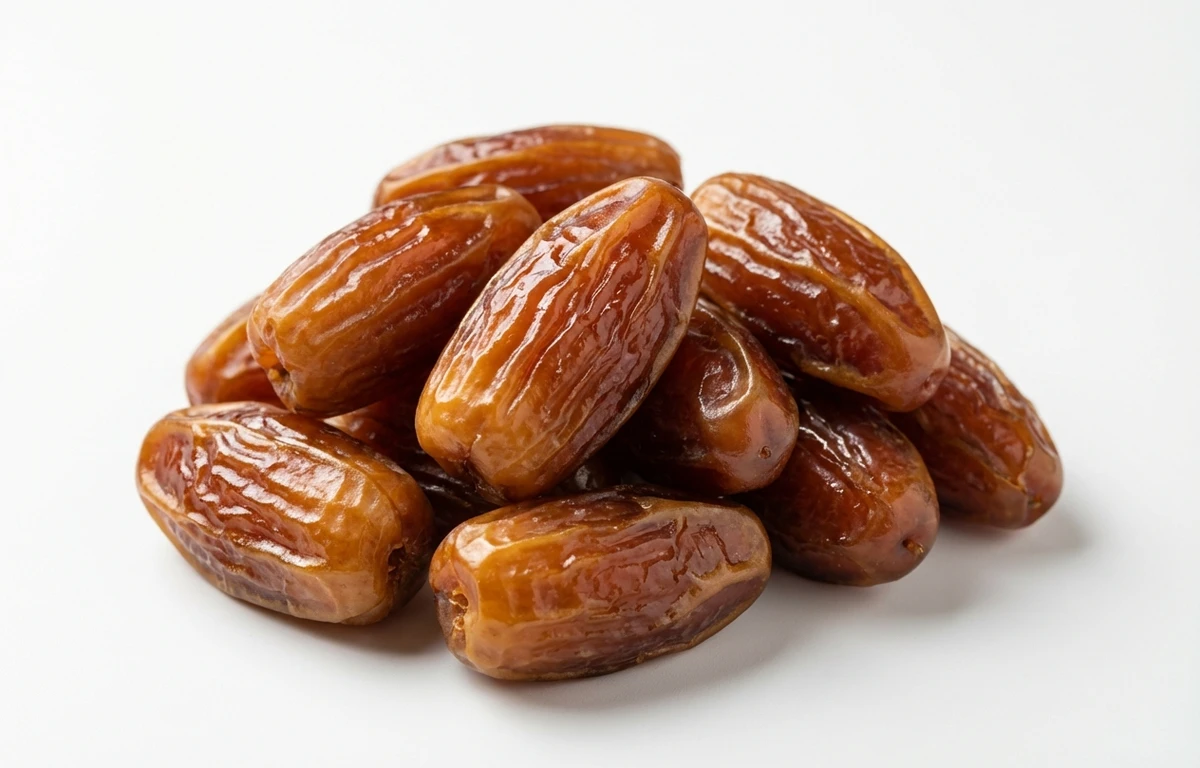
Seedless Dates.
VegetarianVeganGluten-freeDairy-freeNut-freePeanut-freeSoy-freeEgg-freeShellfish-freeHoney-freeAlcohol-free
SERVING
CALORIES
282
PROTEIN
2.5g
CARBS
75g
FAT
0.40g
FIBER
8.0g
NUTRITION PROFILE · per 100 g
Everything in this ingredient.
MACRONUTRIENTS
Calories282kcal—
Protein2.5g5%
Carbohydrates75g27%
Fiber8.0g29%
Sugar63g126%
Total fat0.40g1%
Saturated fat0.03g0%
Cholesterol0mg0%
Water20.5g—
MINERALS
Sodium2.0mg0%
Potassium696mg15%
Calcium64mg5%
Iron0.90mg5%
Magnesium54mg13%
Phosphorus62mg5%
Zinc0.40mg4%
Copper0.40mg44%
Manganese0.30mg13%
Selenium3.0µg5%
VITAMINS
Vitamin A10µg1%
Vitamin C0.40mg0%
Vitamin E0.05mg0%
Vitamin K2.7µg2%
Thiamin (B1)0.05mg4%
Riboflavin (B2)0.06mg5%
Niacin (B3)1.6mg10%
Pantothenic acid (B5)0.30mg6%
Vitamin B60.20mg12%
Folate (B9)15µg4%
%DV based on a 2,000 cal diet. Source: USDA FoodData Central. A dash in the %DV column means there’s no established Daily Value for that nutrient.
MEASUREMENT CONVERSIONS
How much is what.
1 oz28.4g
1 lb453.6g
1 piece7g
HEALTH BENEFITS
Why eat it.
- ✓High in fiber, aiding digestion and promoting gut health.
- ✓Rich in antioxidants, protecting cells from oxidative damage.
- ✓Natural sweetener, a healthier alternative to refined sugars.
- ✓Good source of potassium, important for blood pressure regulation.
- ✓Provides sustained energy due to natural sugars and fiber.
COOKING TIPS
In the kitchen.
- 1Chop and add to baked goods like cookies, cakes, and bread.
- 2Blend into smoothies or energy balls for a natural sweetener.
- 3Stuff with nuts or cheese for a quick and healthy snack.
STORAGE
Keep it fresh.
- Store in an airtight container in a cool, dry place.
- Refrigerate for extended freshness, up to 6-12 months.
- Can be frozen for even longer storage, up to 1 year.
FAQ
Frequently asked questions.
Are seedless dates healthy?
Yes, seedless dates are highly nutritious. They are rich in fiber for digestion, antioxidants for cell protection, and potassium for heart health. They provide a natural energy boost without the crash associated with refined sugars.
How many calories and carbs are in seedless dates?
Per 100g, seedless dates contain approximately 282 calories and 75g of carbohydrates. While they are high in natural sugars, they also provide 2.5g of protein and are virtually fat-free at 0.4g per serving.
Are seedless dates good for weight loss?
In moderation, yes. Their high fiber content helps you feel full longer, which can prevent overeating. However, because they are calorie-dense, portion control is essential when including them in a weight loss plan.
Are seedless dates vegan and gluten-free?
Yes, seedless dates are naturally vegan and gluten-free. They are a whole fruit with no animal products or wheat-based ingredients, making them suitable for both dietary restrictions.
Can diabetics eat seedless dates?
Diabetics can eat dates, but they should do so in moderation due to the high carbohydrate content. Because they have a low to medium glycemic index and contain fiber, they don't spike blood sugar as rapidly as refined sweets.
How do you use seedless dates in cooking?
Seedless dates are incredibly versatile. You can stuff them with nuts or cheese, blend them into smoothies, chop them for salads, or use them in baking to add natural sweetness and moisture to cakes and breads.
What do seedless dates taste like?
Seedless dates have a rich, caramel-like flavor with a deep, natural sweetness. Their texture is typically chewy and slightly sticky, making them a popular healthy alternative to processed candy.
How should I store seedless dates?
Store seedless dates in an airtight container in a cool, dry place. For a longer shelf life, keep them in the refrigerator or freezer to maintain their moisture and prevent them from becoming too hard or crystallized.
How long do seedless dates last?
At room temperature, they usually last about 1 to 3 months. In the refrigerator, they can stay fresh for up to 6 to 12 months, and they can be frozen for even longer without losing their nutritional quality.
Can I use seedless dates as a sugar substitute?
Yes, they are an excellent natural sweetener. You can make a 'date paste' by soaking and blending them with a little water to replace white sugar in recipes for cookies, energy bars, and smoothies.
RECIPES
Cook with seedless dates.
1 recipes · sorted by what’s quick