
Other9 recipes
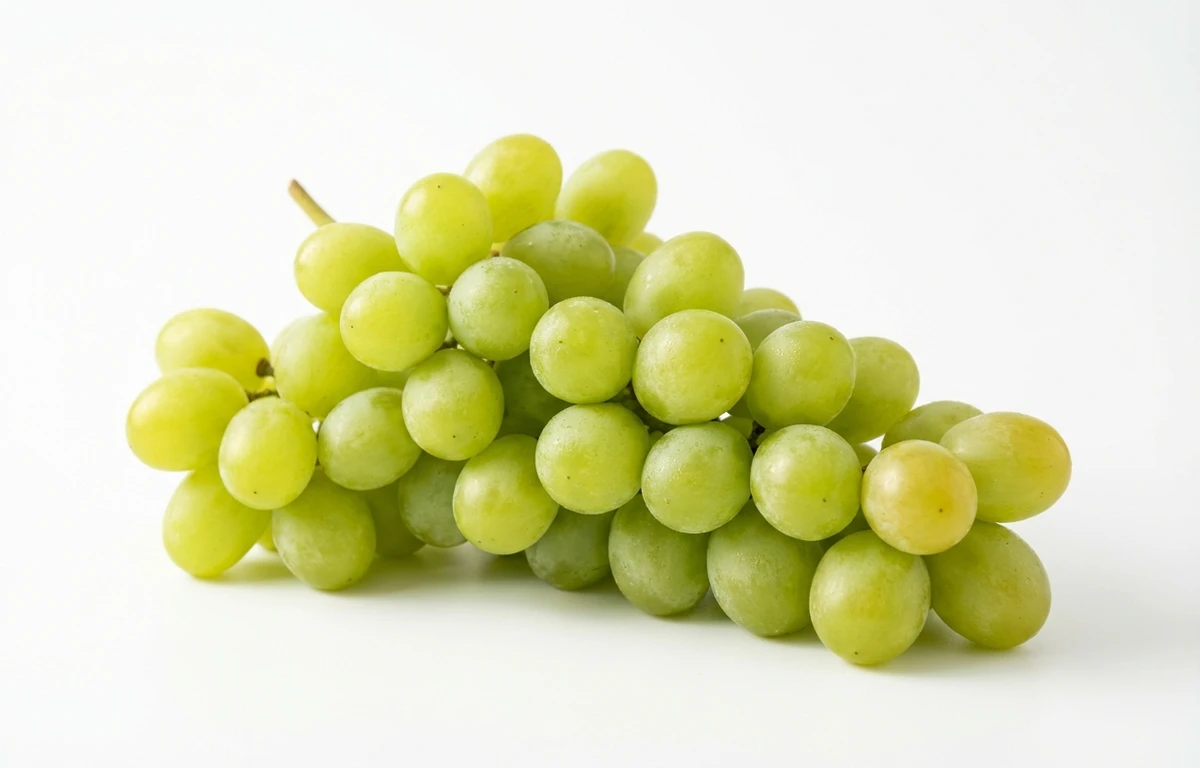
seedless grapes.
VegetarianVeganGluten-freeDairy-freeNut-freePeanut-freeSoy-freeEgg-freeShellfish-freeHoney-freeAlcohol-free
ALSO KNOWN AS
green grapesseedless grapesraw sultana grapesraw green seedless grapesraw thompson seedless grapehara angurwhite grapesseedless green grapestable grapesthompson seedless
SERVING
CALORIES
69
PROTEIN
0.72g
CARBS
18.1g
FAT
0.16g
FIBER
0.90g
This ingredient is flagged as naturally gluten-free. Per 100 g, it provides 14.6 µg of vitamin K.
NUTRITION PROFILE · per 100 g
Everything in this ingredient.
MACRONUTRIENTS
Calories69kcal—
Protein0.72g1%
Carbohydrates18.1g7%
Fiber0.90g3%
Sugar15.5g31%
Total fat0.16g0%
Saturated fat0.05g0%
Trans fat0g—
Cholesterol0mg0%
Water80.5g—
MINERALS
Sodium2.0mg0%
Potassium191mg4%
Calcium10mg1%
Iron0.36mg2%
Magnesium7.0mg2%
Phosphorus20mg2%
Zinc0.07mg1%
Copper0.13mg14%
Manganese0.07mg3%
Selenium0.10µg0%
VITAMINS
Vitamin A3.0µg0%
Vitamin C3.2mg4%
Vitamin D0µg0%
Vitamin E0.19mg1%
Vitamin K14.6µg12%
Thiamin (B1)0.07mg6%
Riboflavin (B2)0.07mg5%
Niacin (B3)0.19mg1%
Pantothenic acid (B5)0.05mg1%
Vitamin B60.09mg5%
Folate (B9)2.0µg1%
Vitamin B120µg0%
%DV based on a 2,000 cal diet. Source: USDA FoodData Central. A dash in the %DV column means there’s no established Daily Value for that nutrient.
MEASUREMENT CONVERSIONS
How much is what.
1 cup151g
1 oz28.4g
1 lb453.6g
1 piece5g
HEALTH BENEFITS
Why eat it.
- ✓Contains potassium which helps maintain healthy blood pressure
- ✓High water content aids in hydration
- ✓Provides dietary fiber for digestive regularity
COOKING TIPS
In the kitchen.
- 1Try roasting grapes with balsamic vinegar to serve alongside savory meats or cheeses
- 2Freeze them for a healthy, bite-sized refreshing summer snack
- 3Slice lengthwise before adding to salads to prevent them from rolling and to release juice
STORAGE
Keep it fresh.
- Store unwashed in a perforated plastic bag in the refrigerator
- Keep away from strong-smelling foods like onions as grapes can absorb odors
- Wash only immediately before consuming to prevent premature molding
FAQ
Frequently asked questions.
How long do seedless grapes last in the fridge?
When stored properly in a ventilated bag, they typically last 1 to 2 weeks.
Can you freeze seedless grapes?
Yes, they freeze very well and make an excellent cold snack or ice cube substitute.
How do I pick the best grapes?
Look for firm, plump grapes firmly attached to green, flexible stems. Avoid shriveled fruit or brown stems.
What is the white powdery film on grapes?
It is called 'bloom,' a naturally occurring waxy coating that protects the fruit from moisture loss and decay.
Are seedless grapes genetically modified (GMO)?
No, most seedless grapes are produced through natural cross-breeding and a process called stenospermocarpy.
What can I substitute for grapes in a salad?
Blueberries, sliced strawberries, or dried cranberries are excellent alternatives.
Are grapes safe for pets?
No, grapes and raisins are highly toxic to dogs and can cause kidney failure.
RECIPES
Cook with seedless grapes.
9 recipes · sorted by what’s quick



















