
Loading...
Also known as:
Per 100g
Nutrition data source: USDA FoodData Central
Common measurement equivalents in grams
Yes, seedless tamarind is highly nutritious and rich in antioxidants, which help protect cells from damage. It is a great source of dietary fiber for digestive health and contains essential minerals like potassium, iron, and magnesium that support heart and bone health.
A 100g serving of tamarind contains approximately 239 calories and 62.5g of carbohydrates. While it is low in fat (0.6g), it is relatively high in natural sugars and fiber, so it should be used mindfully in calorie-controlled diets.
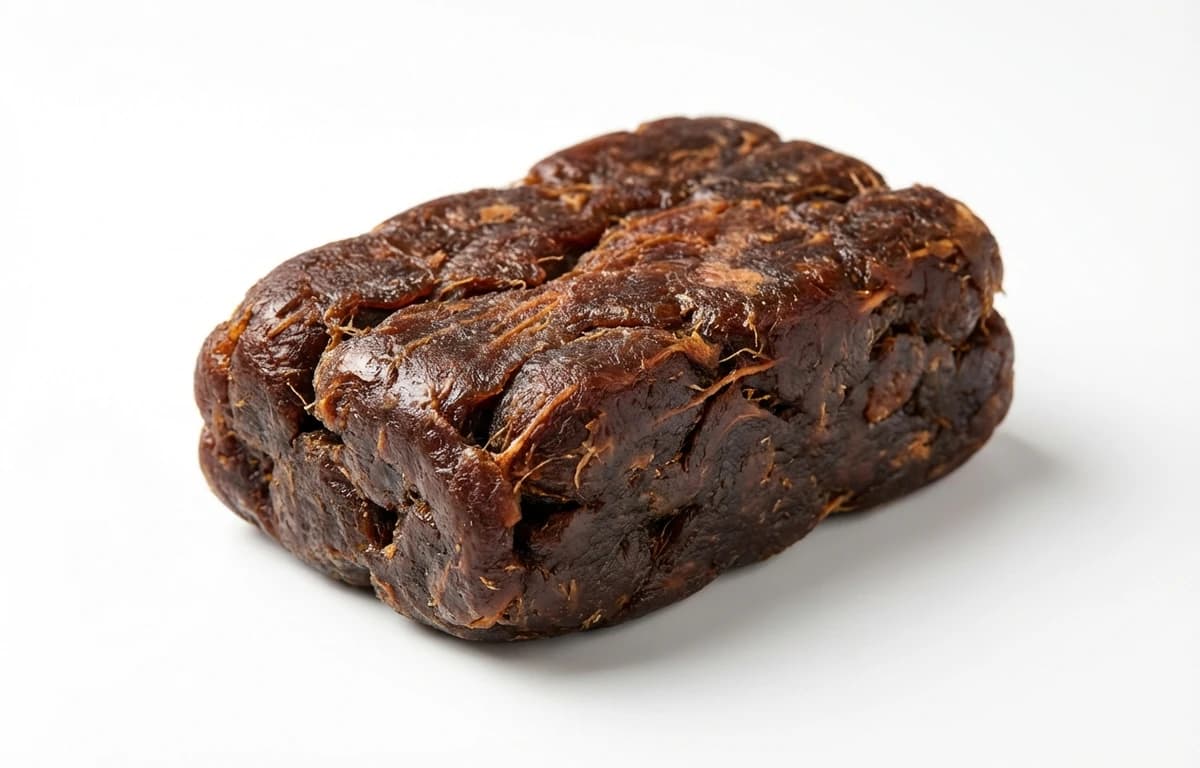
Yes, seedless tamarind blocks are naturally vegan and gluten-free. They are made from the pure fruit pulp of the tamarind tree, making them suitable for plant-based diets and those with gluten sensitivities.
Tamarind is generally not considered keto-friendly because it contains about 62.5g of carbohydrates per 100g. While it can be used in very small amounts for flavoring, the high natural sugar content can easily exceed daily carb limits on a ketogenic diet.
Break off the desired amount and soak it in hot water for 10 to 15 minutes. Once softened, mash the pulp into the water to create a thick concentrate, then strain the mixture through a sieve to remove any tough fibers before adding the liquid to your dish.
Tamarind has a distinctively sour and tangy flavor with a subtle sweet undertone. Its high tartaric acid content provides a sharp acidity that is commonly used to balance spicy or savory flavors in Southeast Asian, Indian, and Mexican cuisines.
Yes, you can substitute tamarind paste for a block. Generally, 1 tablespoon of commercial tamarind paste is equivalent to about 2 tablespoons of the liquid extracted from a soaked block, though you should adjust to taste as pastes vary in concentration.
Seedless Tamarind Block is a versatile ingredient found in cuisines around the world. With 239 calories per 100g and 2.8 grams of protein, it's a nutritious addition to many dishes.
Explore more ingredients in the fruit category with complete nutrition information.
View all fruit →Discover 1 recipes featuring seedless tamarind block with step-by-step instructions.
Browse recipes →Explore more ingredients similar to Seedless Tamarind Block.
The most-searched ingredients on CraftMyMeals.
Store the block in an airtight container or tightly wrapped in plastic in a cool, dry pantry. For a longer shelf life of up to a year, keep it in the refrigerator to maintain its moisture and prevent it from becoming too hard.
Tamarind has a very long shelf life due to its acidity, but it has spoiled if you see visible mold or notice an unpleasant, fermented smell. While it naturally darkens and hardens over time, it is still safe to use unless it develops these signs of spoilage.
Tamarind is a good source of dietary fiber and has been used traditionally as a mild natural laxative. It aids in smooth digestion and can help manage cholesterol levels by binding to bile salts in the digestive tract.