Other7 recipes
seitan.
VegetarianVeganGluten-freeDairy-freeNut-freePeanut-freeSoy-freeEgg-freeShellfish-freeHoney-freeAlcohol-free
ALSO KNOWN AS
wheat meatmock duckmi-tanwheat protein
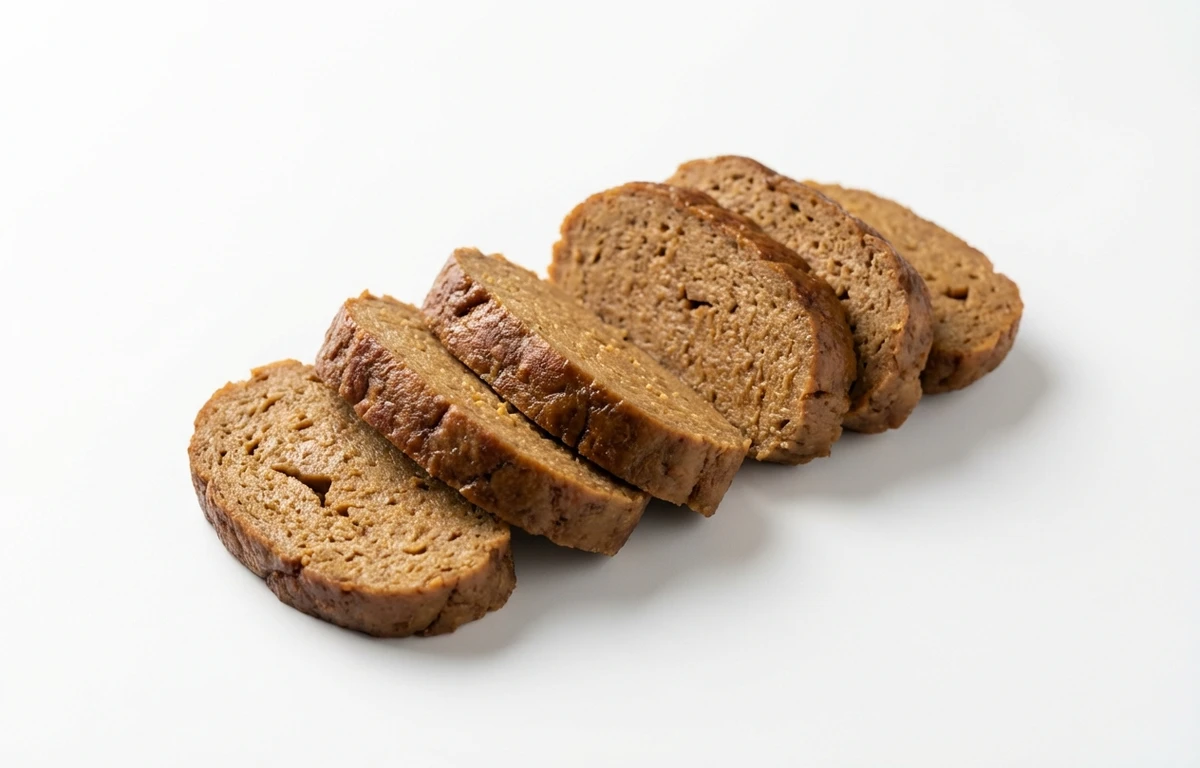
SERVING
CALORIES
141
PROTEIN
24.8g
CARBS
5.2g
FAT
1.9g
FIBER
0.60g
Per 100 g, it provides 0 µg of vitamin K.
NUTRITION PROFILE · per 100 g
Everything in this ingredient.
MACRONUTRIENTS
Calories141kcal—
Protein24.8g50%
Carbohydrates5.2g2%
Fiber0.60g2%
Sugar0g0%
Total fat1.9g2%
Saturated fat0.30g2%
Trans fat0g—
Cholesterol0mg0%
Water67.5g—
MINERALS
Sodium290mg13%
Potassium100mg2%
Calcium14mg1%
Iron5.2mg29%
Magnesium25mg6%
Phosphorus260mg21%
Zinc0.80mg7%
Copper0.15mg17%
Manganese0.20mg9%
Selenium38.5µg70%
VITAMINS
Vitamin A0µg0%
Vitamin C0mg0%
Vitamin D0µg0%
Vitamin E0.10mg1%
Vitamin K0µg0%
Thiamin (B1)0.01mg1%
Riboflavin (B2)0.02mg2%
Niacin (B3)0.20mg1%
Pantothenic acid (B5)0.10mg2%
Vitamin B60.01mg1%
Folate (B9)9.0µg2%
Vitamin B120µg0%
%DV based on a 2,000 cal diet. Source: USDA FoodData Central. A dash in the %DV column means there’s no established Daily Value for that nutrient.
MEASUREMENT CONVERSIONS
How much is what.
1 cup145g
1 oz28.4g
1 lb453.6g
HEALTH BENEFITS
Why eat it.
- ✓Extremely high protein content for a plant-based food
- ✓Low in fat and carbohydrates
- ✓Good source of iron and selenium
- ✓Cholesterol-free protein source
- ✓Highly versatile texture for meat substitution
COOKING TIPS
In the kitchen.
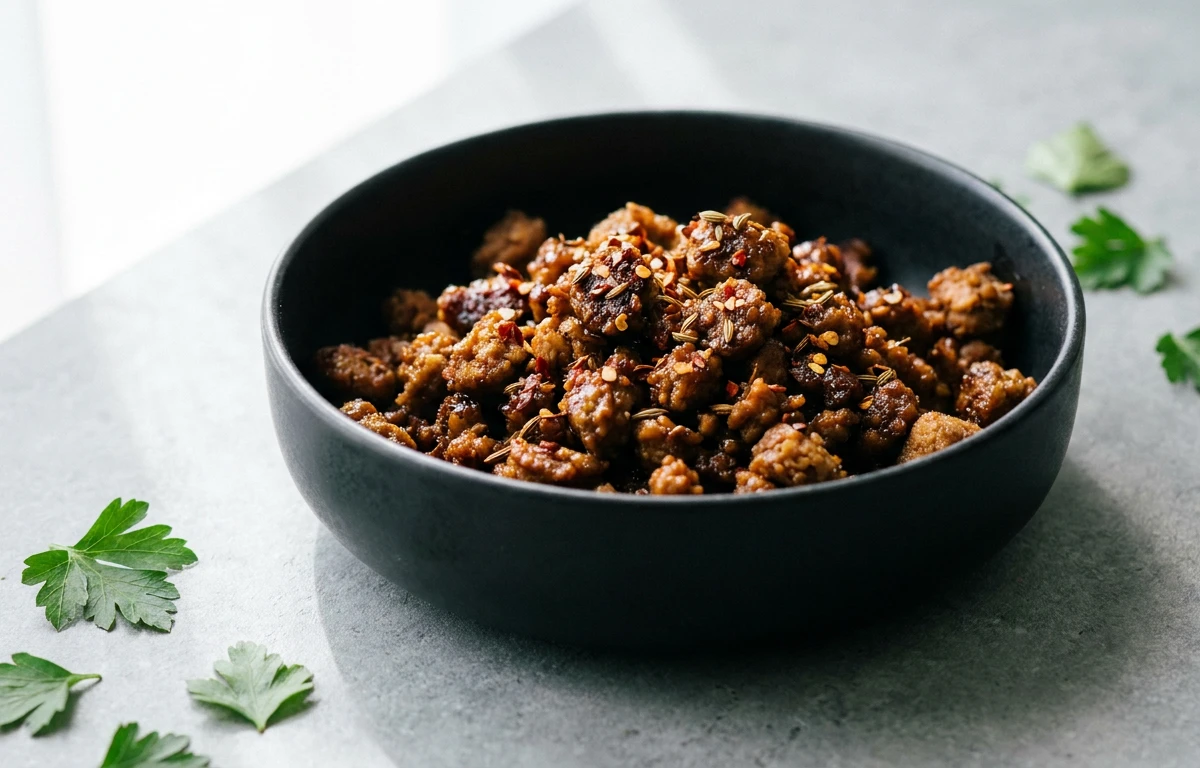
- 1Sauté or pan-fry to achieve a crispy, meaty exterior
- 2Marinate for at least 30 minutes as seitan absorbs flavors very well
- 3Avoid overcooking in soups as it can become spongy or too soft
STORAGE
Keep it fresh.
- Store in an airtight container in the refrigerator for up to 5 days
- Keep submerged in its cooking liquid or broth to prevent drying out
- Can be frozen for up to 3 months in a freezer-safe bag
FAQ
Frequently asked questions.
What is seitan made of?
Seitan is made from hydrated gluten, the main protein found in wheat, which is washed to remove the starch.
How long does seitan last in the fridge?
Store-bought or homemade seitan typically lasts 3 to 5 days when kept in an airtight container.
Can seitan be frozen?
Yes, seitan freezes very well. Wrap it tightly or store in a freezer bag for up to 3 months.
What is the best substitute for seitan?
Tofu or tempeh are the best plant-based substitutes, though they have a different texture.
Does seitan contain soy?
Pure seitan is wheat-based, but many commercial brands use soy sauce for flavoring, so check labels if you have a soy allergy.
How do I pick good quality seitan?
Look for seitan that is firm to the touch and has a savory, fresh smell. Avoid any that appear slimy or have a sour odor.
Is seitan a complete protein?
It is high in protein but low in the amino acid lysine. Pairing it with lysine-rich foods like beans or soy makes it a complete protein.
How do you prepare seitan for cooking?
You can slice it into strips, cube it, or even tear it by hand to create irregular, meat-like edges before frying or grilling.
What does seitan taste like?
Plain seitan has a very neutral, slightly savory taste. It is prized more for its chewy, meat-like texture and ability to absorb sauces.
RECIPES
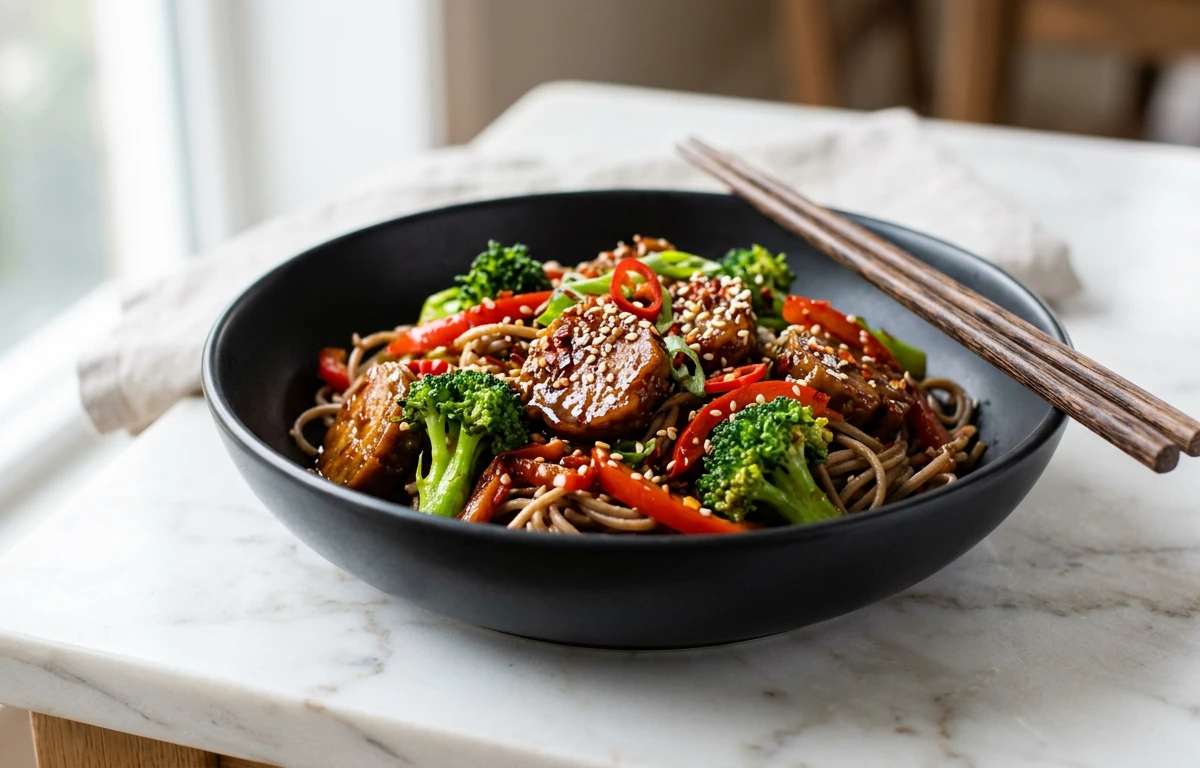
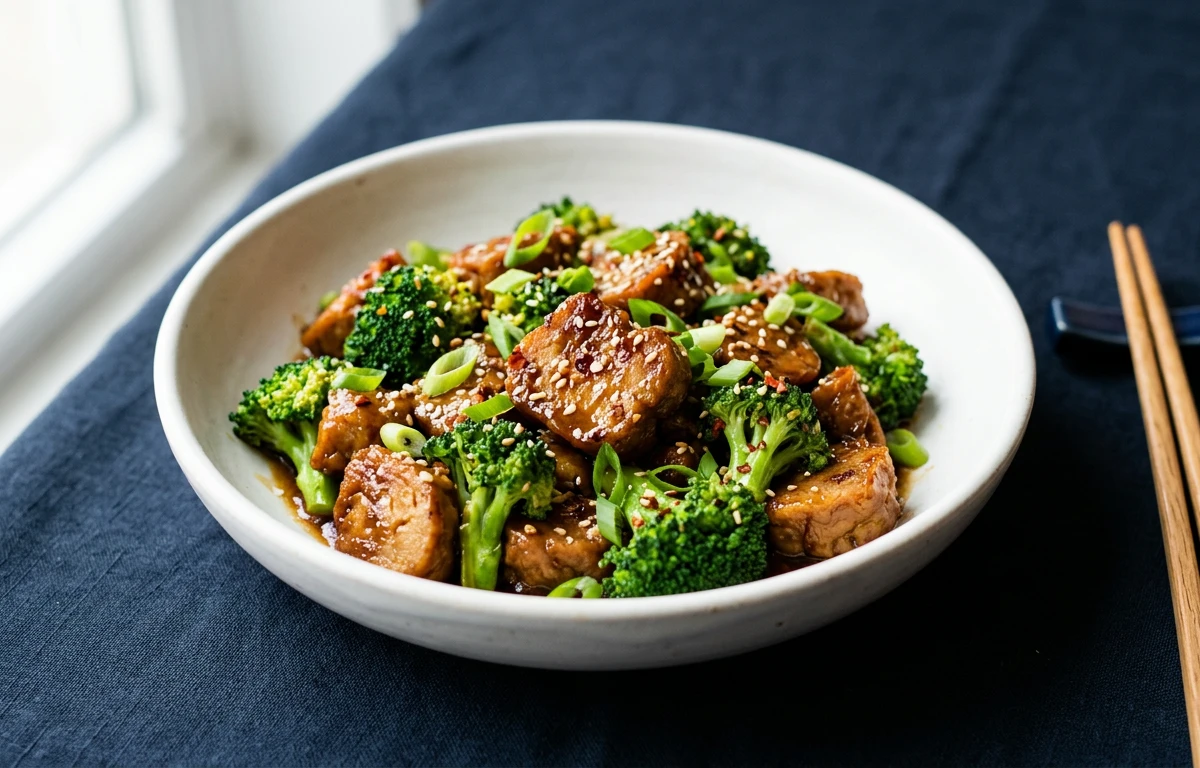
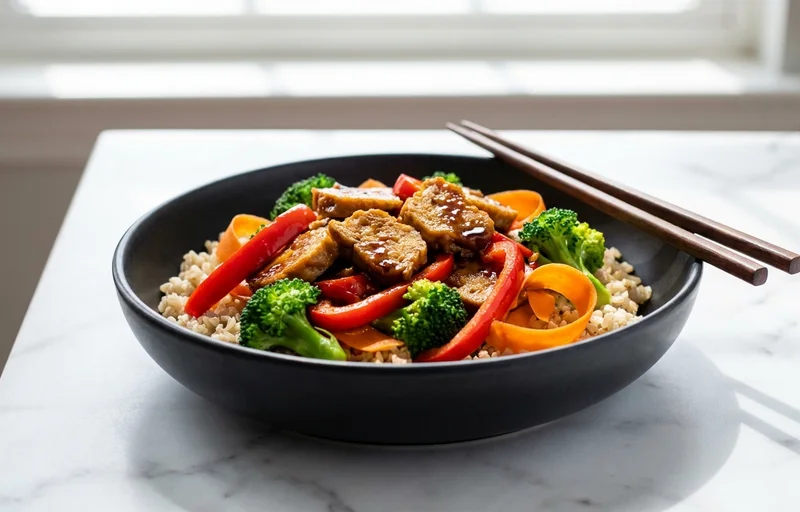
Cook with seitan.
7 recipes · sorted by what’s quick