
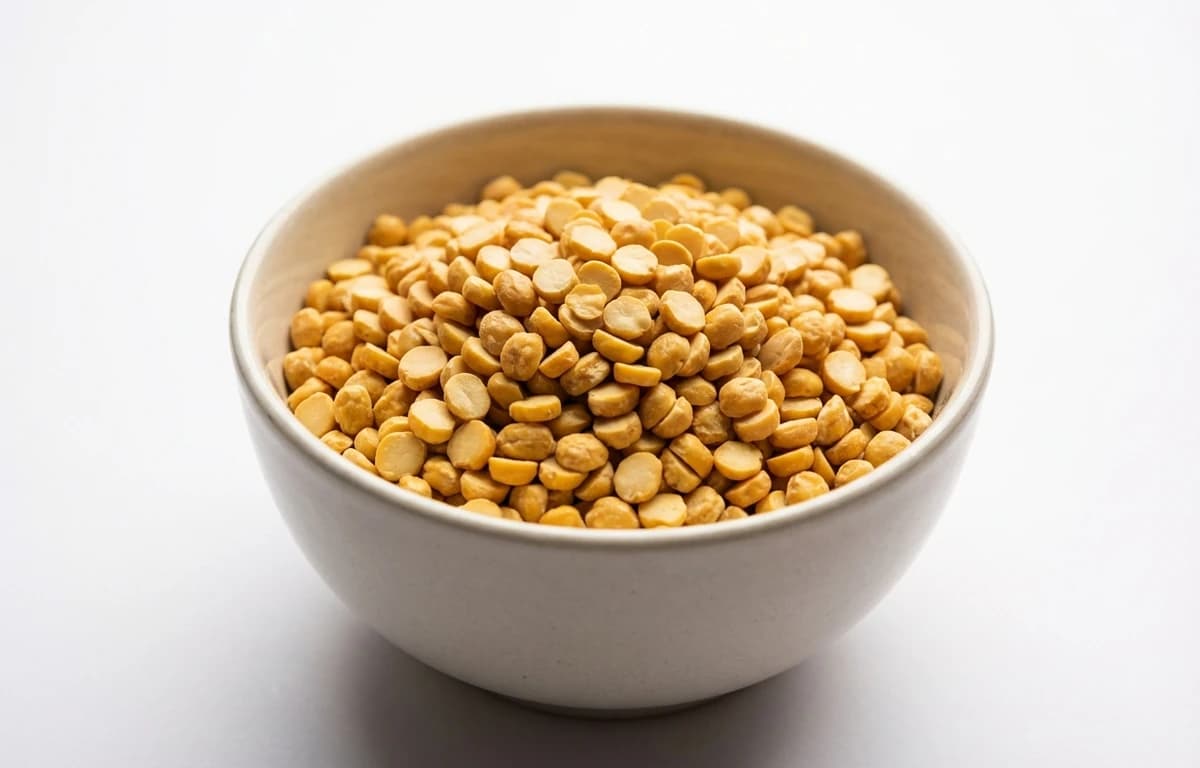
senaga pappu
Also known as:
Loading...
Also known as:
Per 100g
Nutrition data source: USDA FoodData Central
Yes, senaga pappu is highly nutritious. It is an excellent source of plant-based protein, dietary fiber, and essential minerals like iron and folate, which support muscle repair and energy metabolism.
100g of dry senaga pappu contains approximately 378 calories and 20.5g of protein. It also provides about 61g of carbohydrates and 5.5g of fat, making it a balanced source of macronutrients for vegetarians.
Yes, its high fiber and protein content promote satiety, helping you feel full for longer. This can reduce overall calorie intake, while its low glycemic index helps prevent blood sugar spikes that can lead to cravings.
Yes, senaga pappu is naturally gluten-free. It is a safe and nutritious protein source for individuals with celiac disease or non-celiac gluten sensitivity.
No, senaga pappu is generally not considered keto-friendly because it contains 61g of carbohydrates per 100g. While it is a healthy complex carbohydrate, it may exceed the daily carb limits for a strict ketogenic diet.
It is commonly boiled or pressure-cooked until soft but not mushy. It is used in dals, stews, or roasted as a crunchy snack. It is also a key ingredient in 'tadka' (tempering) to add crunch to South Indian dishes.
While not strictly necessary, soaking senaga pappu for 30 to 60 minutes reduces cooking time and improves digestibility. It helps the lentils cook more evenly and achieve a better texture in soups and curries.
senaga pappu is a versatile ingredient found in cuisines around the world. With 378 calories per 100g and 20.5 grams of protein, it's a nutritious addition to many dishes.
Explore more ingredients in the legume category with complete nutrition information.
View all legume →Discover 0 recipes featuring senaga pappu with step-by-step instructions.
Browse recipes →Senaga pappu has a mild, nutty flavor and a slightly sweet undertone. When cooked, it maintains a firmer texture compared to other lentils like moong dal, making it popular in both savory dishes and traditional desserts.
Yes, it has a low glycemic index, meaning it releases glucose slowly into the bloodstream. The high fiber content further helps in regulating blood sugar levels, making it a beneficial legume for diabetic-friendly meals.
Store dry senaga pappu in an airtight container in a cool, dry, and dark place to prevent moisture and pests. When stored properly, it can last for up to 12 months; cooked portions should be refrigerated and consumed within 3-4 days.