
Loading...
Also known as: Black Cumin, Kala Jeera, Shahi Jeera, Syah Jeera, Bunium persicum
Per 100g
Nutrition data source: USDA FoodData Central
Common measurement equivalents in grams
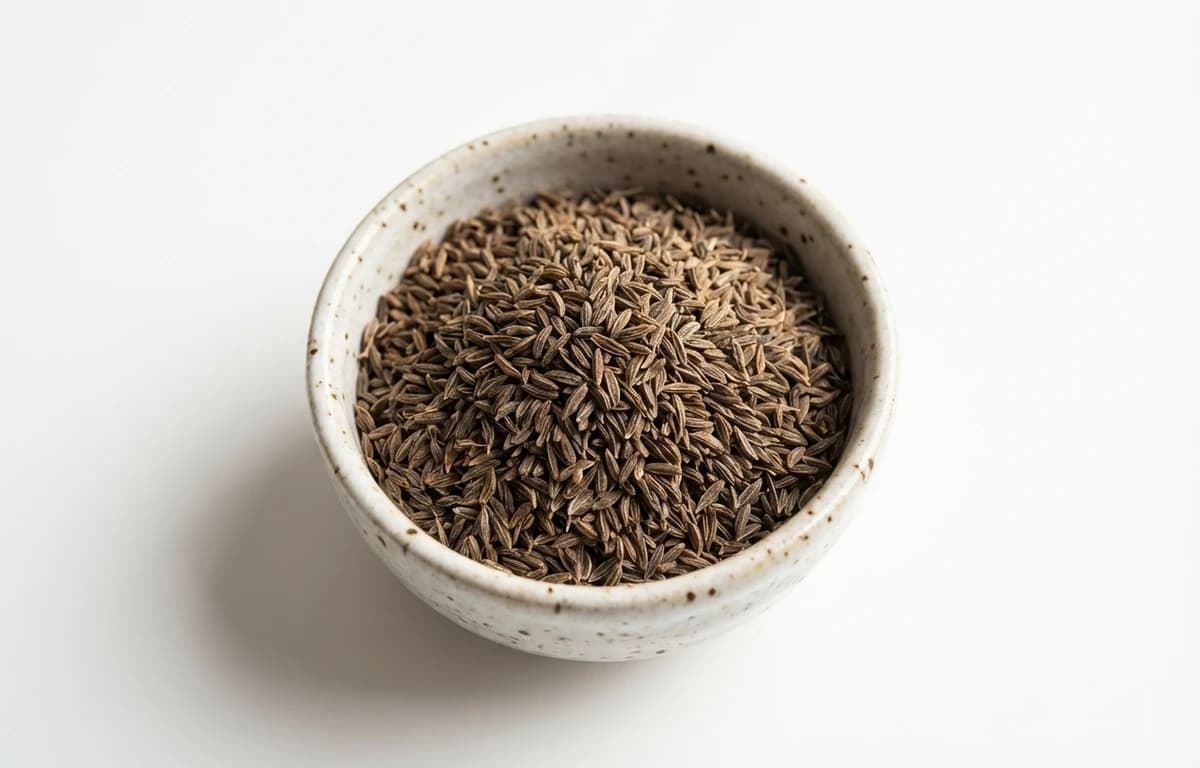
Shah Jeera (Black Cumin) is darker, thinner, and sweeter with a more complex, earthy aroma compared to regular Jeera (Cumin), which is brownish and has a stronger, more pungent flavor.
Whole seeds last for about 1 year if stored properly in an airtight container. Ground Shah Jeera loses its potency much faster, usually within 3-6 months.
Yes, but use slightly less regular cumin as it is more pungent. Caraway seeds are also a common substitute due to their similar shape and flavor profile.
While often confused and used interchangeably in some regions, they are botanically different. Shah Jeera is Bunium persicum, while Caraway is Carum carvi.
Look for seeds that are dark brown to black, very thin, slightly curved, and have a strong, pleasant fragrance when rubbed between fingers.
No, spices like Shah Jeera are used dry. Washing them would remove the essential oils and make them difficult to roast or temper.
It is believed to boost metabolism and improve digestion, which can indirectly support weight management when part of a balanced diet.
Yes, you can freeze the seeds in an airtight bag to extend their shelf life up to 2 years, though it is rarely necessary if kept in a cool pantry.
Shah Jeera is a versatile ingredient found in cuisines around the world. With 375 calories per 100g and 18 grams of protein, it's a nutritious addition to many dishes.
Explore more ingredients in the spice category with complete nutrition information.
View all spice →Discover 10 recipes featuring shah jeera with step-by-step instructions.
Browse recipes →Explore more ingredients similar to Shah Jeera.
The most-searched ingredients on CraftMyMeals.
It is a staple in Garam Masala, Biryanis, Pulaos, and rich meat curries like Korma to provide a royal, aromatic finish.