
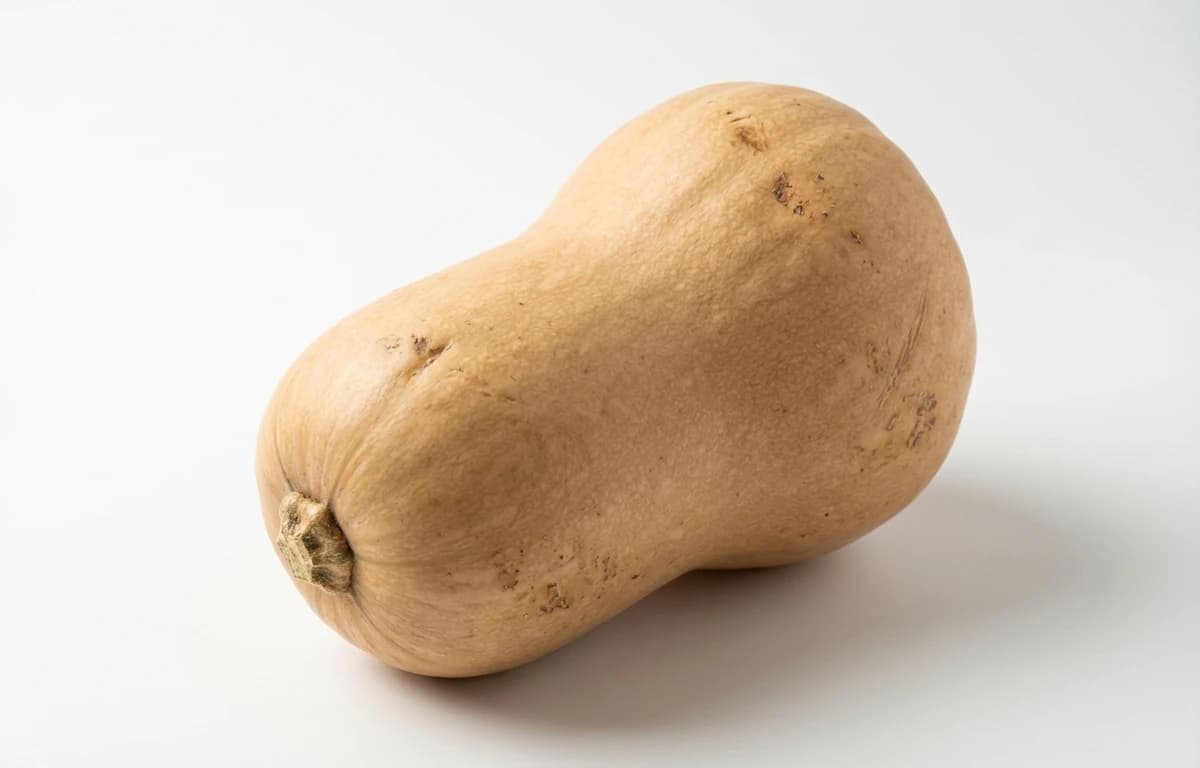
shakariya
Also known as:
Loading...
Also known as:
Per 100g
Nutrition data source: USDA FoodData Central
Yes, shakariya is highly nutritious. It is an excellent source of beta-carotene, which the body converts to Vitamin A for vision and immune health, and it provides significant amounts of dietary fiber and essential minerals like potassium.
A 100g serving of shakariya contains approximately 86 calories and 20.1g of carbohydrates. It is considered a complex carbohydrate, providing a steady release of energy compared to simple sugars.
Shakariya can be beneficial for weight loss because its high fiber content promotes satiety, helping you feel full for longer. However, because it is calorie-dense compared to non-starchy vegetables, it should be consumed in moderate portions.
No, shakariya is generally not suitable for a strict ketogenic diet. With over 20g of carbohydrates per 100g, a single serving could exceed the daily carb limit for most people on keto.
Yes, diabetics can eat shakariya in moderation. It has a lower glycemic index than white potatoes, especially when boiled, meaning it causes a slower rise in blood sugar levels due to its high fiber content.
Shakariya is incredibly versatile and can be boiled, steamed, roasted, or grilled. In many cultures, it is commonly roasted whole or sliced into rounds and seasoned with salt, lemon, and spices to make a savory snack.
Shakariya has a naturally sweet, earthy flavor. When cooked, its texture becomes soft and creamy, and the sweetness often intensifies, particularly when roasted as the natural sugars caramelize.
shakariya is a versatile ingredient found in cuisines around the world. With 86 calories per 100g and 1.6 grams of protein, it's a nutritious addition to many dishes.
Explore more ingredients in the vegetable category with complete nutrition information.
View all vegetable →Peeling is optional. The skin is completely edible and contains a significant portion of the vegetable's fiber and antioxidants; just be sure to scrub it thoroughly under water to remove any dirt before cooking.
Store shakariya in a cool, dry, and dark place like a pantry or a basket. Do not store raw shakariya in the refrigerator, as cold temperatures can change the chemical structure of the starch, affecting the taste and texture.
While raw shakariya is not toxic, it is rarely eaten that way because the high starch content makes it difficult to digest and gives it a very firm, crunchy texture. Cooking makes the nutrients more bioavailable and improves the flavor significantly.