
Other6 recipes
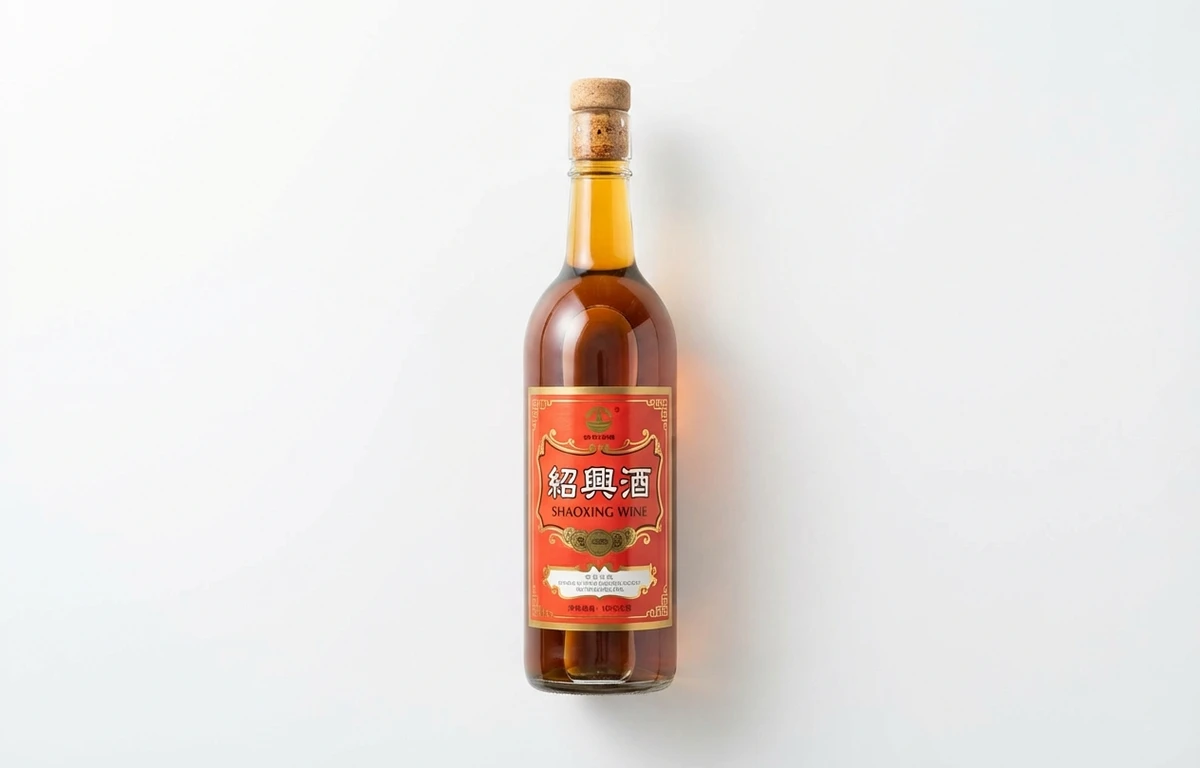
shaoxing wine.
VegetarianVeganGluten-freeDairy-freeNut-freePeanut-freeSoy-freeEgg-freeShellfish-freeHoney-freeAlcohol-freeHalalKosherFermented
ALSO KNOWN AS
shaoxing rice wineshao-hsing winechinese cooking winehua diao jiushao hsing rice wine
SERVING
CALORIES
122
PROTEIN
0.20g
CARBS
3.5g
FAT
0g
FIBER
0g
NUTRITION PROFILE · per 100 g
Everything in this ingredient.
MACRONUTRIENTS
Calories122kcal—
Protein0.20g0%
Carbohydrates3.5g1%
Fiber0g0%
Sugar1.5g3%
Total fat0g0%
Saturated fat0g0%
Trans fat0g—
Cholesterol0mg0%
Water85g—
MINERALS
Sodium1200mg52%
Potassium25mg1%
Calcium5.0mg0%
Iron0.10mg1%
Magnesium2.0mg0%
Phosphorus10mg1%
Zinc0.05mg0%
Copper0.01mg1%
Manganese0.02mg1%
Selenium0.10µg0%
VITAMINS
Vitamin A0µg0%
Vitamin C0mg0%
Vitamin D0µg0%
Vitamin E0mg0%
Vitamin K0µg0%
Thiamin (B1)0.01mg1%
Riboflavin (B2)0.01mg1%
Niacin (B3)0.10mg1%
Pantothenic acid (B5)0.05mg1%
Vitamin B60.01mg1%
Folate (B9)1.0µg0%
Vitamin B120µg0%
%DV based on a 2,000 cal diet. Source: USDA FoodData Central. A dash in the %DV column means there’s no established Daily Value for that nutrient.
MEASUREMENT CONVERSIONS
How much is what.
1 cup235g
1 tablespoon15g
1 teaspoon5g
1 oz28g
1 lb454g
1 ml1g
1 liter990g
HEALTH BENEFITS
Why eat it.
- ✓Contains antioxidants from the fermentation process
- ✓May aid in digestion when used in small amounts
- ✓Traditional Chinese medicine uses it to improve blood circulation
- ✓Low in fat and cholesterol
- ✓Adds flavor without adding significant calories from fat
COOKING TIPS
In the kitchen.
- 1Use to deglaze pans to incorporate browned bits into sauces
- 2Excellent for marinating meats to neutralize 'gamey' or 'fishy' odors
- 3Add early in the cooking process to allow the alcohol to evaporate
STORAGE
Keep it fresh.
- Store in a cool, dark place away from direct sunlight
- Keep the cap tightly sealed to prevent evaporation and oxidation
- Does not require refrigeration after opening, but it can extend shelf life
FAQ
Frequently asked questions.
How long does Shaoxing wine last after opening?
If stored in a cool, dark place, it can last for up to 6 months to a year. It doesn't spoil easily due to its alcohol and salt content.
What is a good non-alcoholic substitute for Shaoxing wine?
Chicken, mushroom, or vegetable broth with a splash of white grape juice or a small amount of rice vinegar can work as a substitute.
Does Shaoxing wine contain gluten?
Yes, traditional Shaoxing wine is fermented using a starter that usually contains wheat, making it unsuitable for those with gluten allergies.
What is the difference between cooking Shaoxing wine and drinking Shaoxing wine?
Cooking Shaoxing wine (often found in grocery stores) has added salt to allow it to be sold as a food product; drinking versions are higher quality and unsalted.
Can I use Mirin instead of Shaoxing wine?
Mirin is much sweeter than Shaoxing wine. If using Mirin, reduce the sugar in your recipe to balance the flavors.
Can I use Dry Sherry as a substitute?
Yes, Pale Dry Sherry is considered the best alcoholic substitute for Shaoxing wine due to its similar flavor profile.
How do I pick a good Shaoxing wine?
Look for 'Pagoda' brand or bottles that specify they are from Shaoxing. Avoid very cheap 'salted' versions if you want the best flavor.
Is Shaoxing wine Halal?
No, Shaoxing wine contains alcohol (typically 14-18% ABV) and is therefore not considered Halal.
Why is it used in almost every Chinese stir-fry?
It provides a unique 'wok hei' depth of flavor and helps to tenderize meat while removing unwanted raw meat smells.
RECIPES
Cook with shaoxing wine.
6 recipes · sorted by what’s quick



















