Other1 recipes
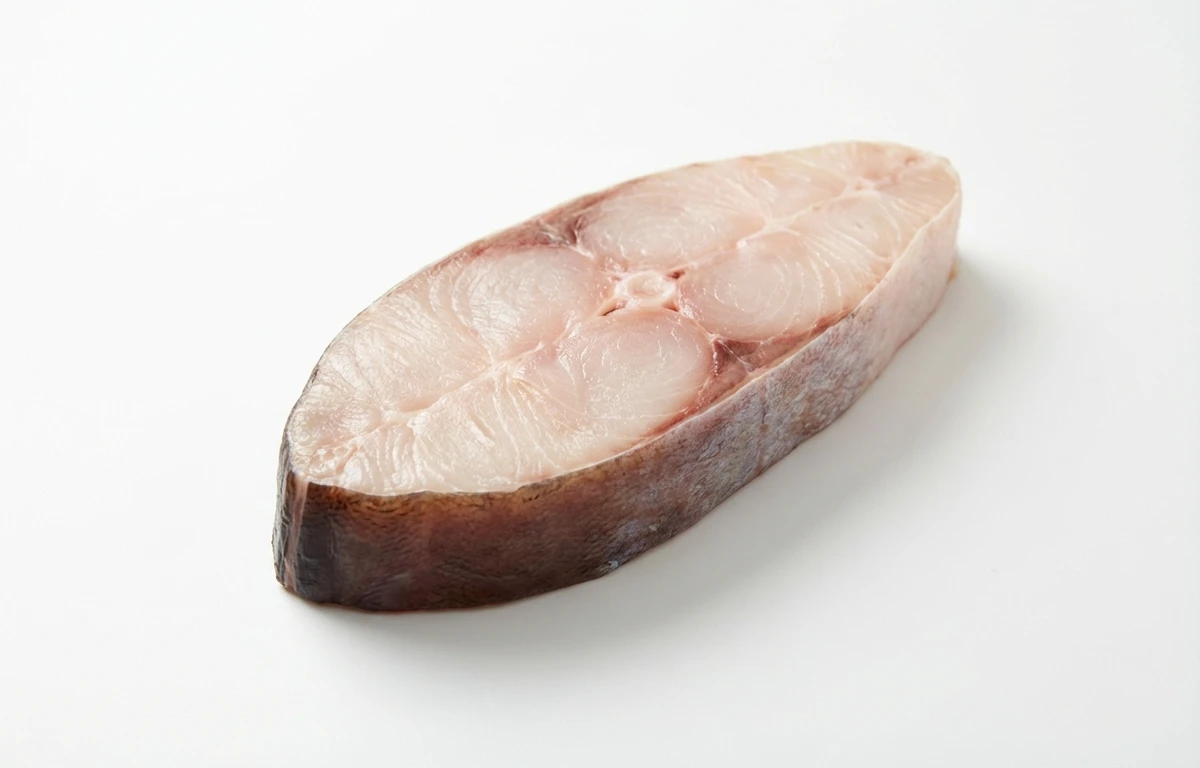
shark.
VegetarianVeganGluten-freeDairy-freeNut-freePeanut-freeSoy-freeEgg-freeShellfish-freeHoney-freeAlcohol-freeHalalKosher
ALSO KNOWN AS
shark meatsharkraw shark
SERVING
CALORIES
130
PROTEIN
20.9g
CARBS
0g
FAT
4.5g
FIBER
0g
This ingredient is flagged as naturally gluten-free. Per 100 g, it provides 0.10 µg of vitamin K.
NUTRITION PROFILE · per 100 g
Everything in this ingredient.
MACRONUTRIENTS
Calories130kcal—
Protein20.9g42%
Carbohydrates0g0%
Fiber0g0%
Sugar0g0%
Total fat4.5g6%
Saturated fat0.90g5%
Trans fat0g—
Cholesterol51mg17%
Water73.5g—
MINERALS
Sodium79mg3%
Potassium160mg3%
Calcium0mg0%
Iron0.80mg4%
Magnesium45mg11%
Phosphorus210mg17%
Zinc0.40mg4%
Copper0.04mg4%
Manganese0.02mg1%
Selenium36.5µg66%
VITAMINS
Vitamin A0µg0%
Vitamin C0mg0%
Vitamin E0.50mg3%
Vitamin K0.10µg0%
Thiamin (B1)0.04mg3%
Riboflavin (B2)0.06mg5%
Niacin (B3)2.9mg18%
Pantothenic acid (B5)0.40mg8%
Vitamin B60.30mg18%
Biotin (B7)857µg2857%
Folate (B9)3.0µg1%
Vitamin B121.5µg63%
%DV based on a 2,000 cal diet. Source: USDA FoodData Central. A dash in the %DV column means there’s no established Daily Value for that nutrient.
MEASUREMENT CONVERSIONS
How much is what.
1 oz28.4g
1 lb453.6g
1 piece170g
HEALTH BENEFITS
Why eat it.
- ✓Excellent source of high-quality lean protein
- ✓Rich in Vitamin B12 for nerve health
- ✓Low in total fat and carbohydrates
- ✓Provides essential minerals like phosphorus and magnesium
COOKING TIPS
In the kitchen.
- 1Soak in milk or lemon juice for 30 minutes before cooking to neutralize any ammonia smell
- 2Avoid overcooking as shark meat becomes very tough and dry quickly
- 3Grilling or pan-searing are the best methods to maintain the firm, meaty texture
STORAGE
Keep it fresh.
- Store in the coldest part of the refrigerator for no more than 1-2 days
- Wrap tightly in plastic wrap or airtight containers to prevent odor transfer
- Freeze at 0°F (-18°C) for up to 3 months for longer storage
FAQ
Frequently asked questions.
Why does shark meat sometimes smell like ammonia?
Sharks concentrate urea in their blood and tissues to maintain fluid balance; if not handled properly after catch, this urea turns into ammonia. Soaking in an acidic liquid or milk helps neutralize it.
Is shark meat safe for everyone to eat?
No. Shark is a long-lived apex predator and often contains high levels of mercury. Pregnant women, nursing mothers, and young children should avoid it.
What is the best substitute for shark meat in recipes?
Swordfish is the closest substitute due to its similar firm, meaty texture. Halibut or firm tuna steaks can also work.
How can I tell if shark meat is fresh?
Fresh shark should have a clean, mild scent (not like ammonia), and the flesh should be firm and moist, not slimy or discolored.
Can shark meat be eaten raw?
While some species are used in specific preparations, it is generally recommended to cook shark thoroughly to ensure safety and improve texture.
Does shark meat have bones?
No, sharks are cartilaginous fish. They have a central skeleton made of cartilage rather than hard bone, making them easy to fillet into steaks.
How long does shark last in the freezer?
When properly vacuum-sealed or tightly wrapped, shark meat can last up to 3 months in the freezer before quality declines.
What are common ways to prepare shark?
It is most commonly cut into steaks and grilled, broiled, or pan-seared. It is also popular in fish tacos or stews.
RECIPES
Cook with shark.
1 recipes · sorted by what’s quick