
Protein2 recipes
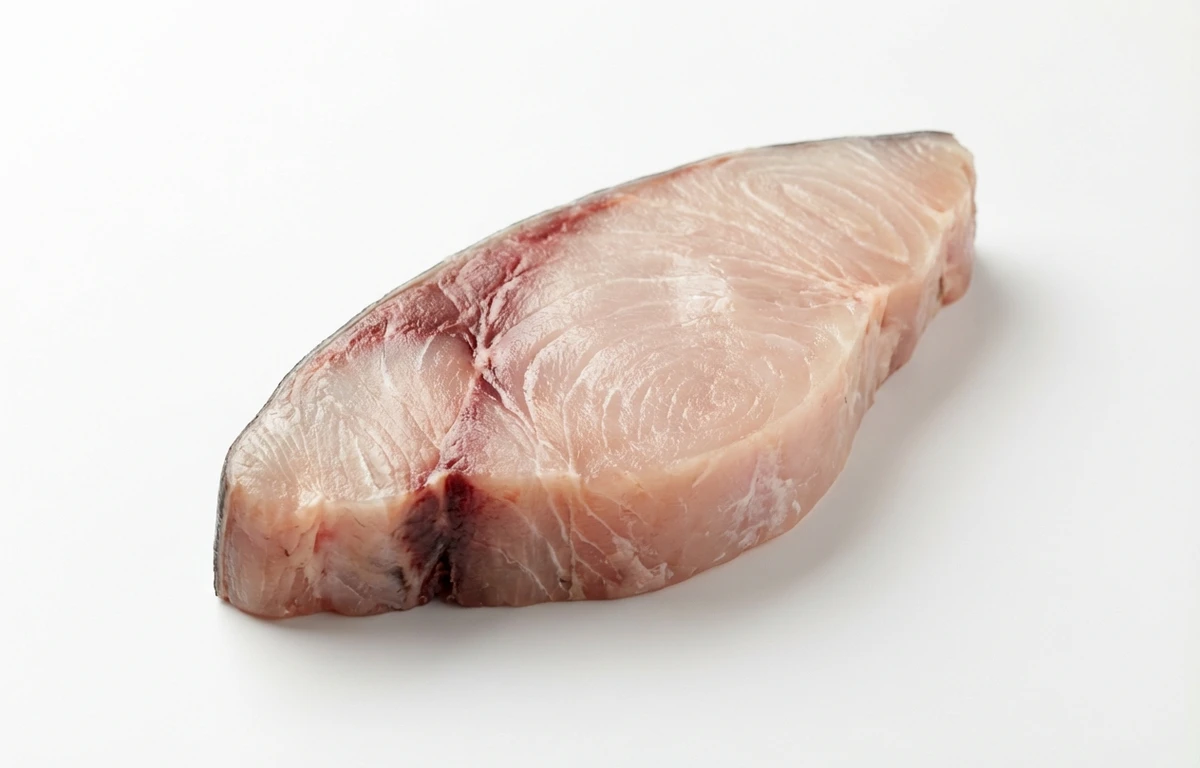
shark fish.
VegetarianVeganGluten-freeDairy-freeNut-freePeanut-freeSoy-freeEgg-freeShellfish-freeHoney-freeAlcohol-freeKosher
SERVING
CALORIES
130
PROTEIN
21g
CARBS
0g
FAT
4.5g
FIBER
0g
This ingredient is flagged as naturally gluten-free. Per 100 g, it provides 0.10 µg of vitamin K.
NUTRITION PROFILE · per 100 g
Everything in this ingredient.
MACRONUTRIENTS
Calories130kcal—
Protein21g42%
Carbohydrates0g0%
Fiber0g0%
Sugar0g0%
Total fat4.5g6%
Saturated fat0.93g5%
Cholesterol51mg17%
Water73.6g—
MINERALS
Sodium79mg3%
Potassium160mg3%
Calcium34mg3%
Iron0.84mg5%
Magnesium49mg12%
Phosphorus210mg17%
Zinc0.43mg4%
Copper0.03mg3%
Manganese0.02mg1%
Selenium36.5µg66%
VITAMINS
Vitamin A70µg8%
Vitamin C0mg0%
Vitamin D0.60µg3%
Vitamin E1.0mg7%
Vitamin K0.10µg0%
Thiamin (B1)0.04mg3%
Riboflavin (B2)0.06mg5%
Niacin (B3)2.9mg18%
Pantothenic acid (B5)0.70mg14%
Vitamin B60.40mg24%
Folate (B9)3.0µg1%
Vitamin B121.5µg62%
%DV based on a 2,000 cal diet. Source: USDA FoodData Central. A dash in the %DV column means there’s no established Daily Value for that nutrient.
MEASUREMENT CONVERSIONS
How much is what.
1 cup140g
1 tablespoon8.8g
1 teaspoon2.9g
1 ml0.6g
1 liter583.3g
1 piece150g
HEALTH BENEFITS
Why eat it.
- ✓Excellent source of high-quality, lean protein essential for muscle growth and repair.
- ✓Rich in omega-3 fatty acids, which support cardiovascular health and brain function.
- ✓Provides important minerals such as selenium, phosphorus, and magnesium.
- ✓Contains Vitamin B12, crucial for nerve function and the formation of red blood cells.
COOKING TIPS
In the kitchen.
- 1Soak shark steaks in milk or buttermilk for 30-60 minutes before cooking to neutralize any potential ammonia-like taste or odor.
- 2The firm, steak-like texture makes shark ideal for grilling, broiling, blackening, or pan-searing.
- 3Marinate the meat for at least 30 minutes before cooking to add flavor and moisture, using acidic ingredients like citrus or vinegar.
- 4Do not overcook, as it can become very dry and tough. Cook until the flesh is opaque and flakes easily with a fork.
STORAGE
Keep it fresh.
- Store fresh shark meat in the coldest part of the refrigerator (below 40°F or 4°C) and use within 1-2 days.
- For freezing, wrap individual portions tightly in plastic wrap and then in freezer paper or a vacuum-sealed bag. It can be stored at 0°F (-18°C) for up to 3 months.
FAQ
Frequently asked questions.
Is shark fish healthy?
Yes, shark fish is a nutrient-dense source of lean protein, providing about 21g of protein per 100g. It is rich in omega-3 fatty acids for heart health and contains essential minerals like selenium and Vitamin B12. However, it should be consumed in moderation due to potential mercury levels found in large predatory fish.
How much protein and calories are in shark fish?
A 100g serving of shark fish contains approximately 130 calories and 20.98g of high-quality protein. It contains 0g of carbohydrates and about 4.51g of fat, making it an excellent lean protein choice for muscle growth and repair.
Is shark fish safe to eat regularly?
While nutritious, shark is an apex predator and can accumulate high levels of methylmercury. Health organizations generally recommend that pregnant women, nursing mothers, and young children avoid it, while other adults should limit consumption to once a month to avoid mercury toxicity.
Is shark fish keto-friendly?
Yes, shark fish is highly keto-friendly as it contains zero carbohydrates. Its high protein content and moderate fat levels make it a suitable and filling choice for those following low-carb or ketogenic diets.
Is shark fish halal or kosher?
In Islamic dietary laws, shark is generally considered halal as it is a sea creature. However, it is not considered kosher in Judaism because sharks lack the specific type of scales required by kosher standards.
What does shark fish taste like?
Shark has a mild, slightly sweet flavor and a firm, meaty texture similar to swordfish or even chicken. Because the meat is dense and not flaky, it holds up very well to grilling, broiling, and heavy seasonings.
How do you cook shark fish?
Shark is best prepared by grilling, pan-searing, or baking. Because the meat is lean, it can dry out quickly; it is often marinated first and should be cooked just until the flesh is opaque and firm to the touch.
Why should you soak shark fish in milk before cooking?
Sharks carry urea in their blood, which can produce a slight ammonia-like smell or taste after the fish is caught. Soaking the meat in milk, lemon juice, or saltwater for 30 minutes before cooking neutralizes these odors and ensures a cleaner flavor.
How do you store shark fish and how long does it last?
Fresh shark should be kept in the coldest part of the refrigerator and used within 1 to 2 days. For longer storage, wrap the fish tightly in plastic wrap and aluminum foil to freeze it for up to 3 months.
How do you know if shark fish is fresh?
Fresh shark should have firm, moist flesh that springs back when pressed and a clean, briny scent. Avoid any pieces that have a strong, overwhelming ammonia smell or flesh that appears dull and slimy, as these are signs of spoilage.
RECIPES
Cook with shark fish.
2 recipes · sorted by what’s quick



















