
Other
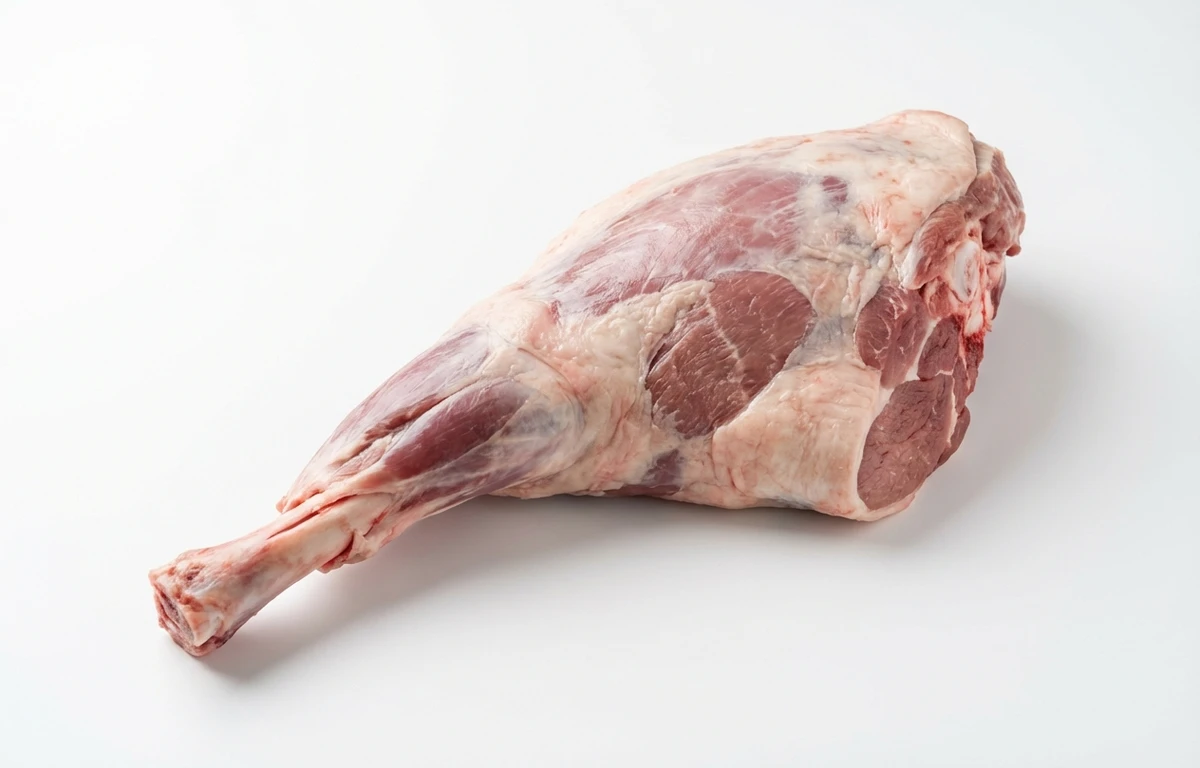
sheep leg.
VegetarianVeganGluten-freeDairy-freeNut-freePeanut-freeSoy-freeEgg-freeShellfish-freeHoney-freeAlcohol-free
SERVING
CALORIES
164
PROTEIN
21.4g
CARBS
0g
FAT
8.7g
FIBER
0g
This ingredient is flagged as naturally gluten-free. Per 100 g, it provides 8.9 µg of vitamin K.
NUTRITION PROFILE · per 100 g
Everything in this ingredient.
MACRONUTRIENTS
Calories164kcal—
Protein21.4g43%
Carbohydrates0g0%
Fiber0g0%
Sugar0g0%
Total fat8.7g11%
Saturated fat3.8g19%
Trans fat0g—
Cholesterol84.8mg28%
Water68.3g—
MINERALS
Sodium49.3mg2%
Potassium333mg7%
Calcium6.9mg1%
Iron1.5mg9%
Magnesium22.2mg5%
Phosphorus187mg15%
Zinc2.7mg24%
Copper0.09mg10%
Manganese0.01mg0%
Selenium20µg36%
VITAMINS
Vitamin A9.9µg1%
Vitamin C0mg0%
Vitamin D2.8µg14%
Vitamin E0.08mg1%
Vitamin K8.9µg7%
Thiamin (B1)0.08mg7%
Riboflavin (B2)0.16mg12%
Niacin (B3)5.3mg33%
Pantothenic acid (B5)1.0mg21%
Vitamin B60.24mg14%
Biotin (B7)1.8µg6%
Folate (B9)0µg0%
%DV based on a 2,000 cal diet. Source: USDA FoodData Central. A dash in the %DV column means there’s no established Daily Value for that nutrient.
MEASUREMENT CONVERSIONS
How much is what.
1 oz28.4g
1 lb453.6g
1 piece3175.2g
HEALTH BENEFITS
Why eat it.
- ✓Excellent source of high-quality complete protein, essential for muscle building, repair, and overall body function.
- ✓Provides significant amounts of Vitamin B12, crucial for nerve function and the formation of red blood cells.
COOKING TIPS
In the kitchen.
- 1For a classic roast, stud the leg with garlic slivers and rosemary sprigs, season with salt and pepper, and roast at a moderate temperature (around 325°F / 160°C) until it reaches your desired doneness.
- 2Always use a meat thermometer for accuracy: 130-135°F (54-57°C) for medium-rare, 140-145°F (60-63°C) for medium.
- 3Let the roasted leg rest for at least 15-20 minutes before carving. This allows the juices to redistribute, resulting in a more tender and flavorful meat.
- 4Consider butterflying the leg (removing the bone) for faster, more even cooking on the grill or for stuffing.
STORAGE
Keep it fresh.
- Refrigerate raw sheep leg at or below 40°F (4°C) in its original packaging for up to 3-5 days.
- For long-term storage, wrap tightly in plastic wrap and heavy-duty foil or place in a freezer bag, and freeze at 0°F (-18°C) for up to 9 months.
FAQ
Frequently asked questions.
How much protein and calories are in sheep leg?
A 100g serving of sheep leg contains approximately 163.96 calories and 21.42g of protein. It is a high-protein food with 0g of carbohydrates and a moderate fat content of about 8.69g.
Is sheep leg keto-friendly?
Yes, sheep leg is excellent for keto and low-carb diets because it contains zero carbohydrates. Its high protein and moderate fat content help maintain ketosis while providing essential micronutrients.
What is the best way to cook a sheep leg?
Sheep leg is best prepared using slow-cooking methods like roasting or braising. Because the meat can be tougher than lamb, cooking it slowly at lower temperatures helps break down connective tissues, resulting in a tender and flavorful dish.
What does sheep leg taste like?
Sheep leg has a robust, savory, and somewhat 'gamey' flavor that is more intense than lamb. The meat is darker and firmer, making it hold up well to strong aromatics like garlic, rosemary, and cumin.
How long can I store sheep leg in the refrigerator?
Raw sheep leg should be stored in the coldest part of the refrigerator and used within 3 to 5 days. If you need to store it longer, it can be frozen for 6 to 12 months when wrapped tightly in airtight packaging.
Is sheep leg halal or kosher?
Sheep leg is permissible (halal/kosher) in many religious diets, provided the animal was slaughtered according to specific religious guidelines. It is a staple protein in many Middle Eastern and Mediterranean cultures.
Can I substitute sheep leg with lamb leg in recipes?
Yes, they are interchangeable, but sheep leg (mutton) usually requires a longer cooking time to reach the same level of tenderness as lamb. You may also find the flavor of sheep leg to be significantly stronger.
How do I know if sheep leg has gone bad?
Fresh sheep leg should have a deep red color and a neutral, slightly metallic scent. If the meat feels slimy to the touch, develops a greyish or greenish tint, or emits a sour, pungent odor, it has spoiled and should be discarded.



















