
Beverage1 recipes
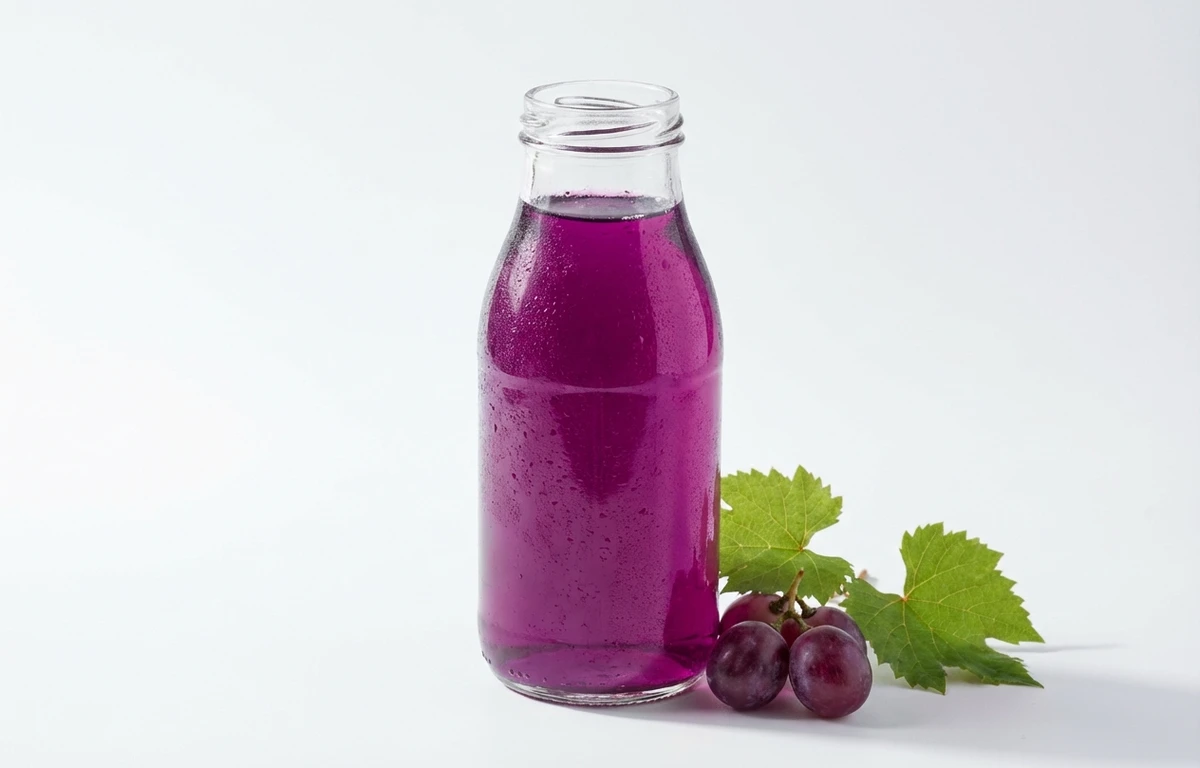
shelf stable purple grape juice.
VegetarianVeganGluten-freeDairy-freeNut-freePeanut-freeSoy-freeEgg-freeShellfish-freeHoney-freeAlcohol-free
ALSO KNOWN AS
purple grape juicegrape juice
SERVING
CALORIES
60
PROTEIN
0.40g
CARBS
15.1g
FAT
0.10g
FIBER
0.20g
NUTRITION PROFILE · per 100 g
Everything in this ingredient.
MACRONUTRIENTS
Calories60kcal—
Protein0.40g1%
Carbohydrates15.1g5%
Fiber0.20g1%
Sugar14.2g28%
Total fat0.10g0%
Saturated fat0g0%
Trans fat0g—
Cholesterol0mg0%
Water84.2g—
MINERALS
Sodium5.0mg0%
Potassium104mg2%
Calcium10mg1%
Iron0.25mg1%
Magnesium10mg2%
Phosphorus15mg1%
Zinc0.05mg0%
Copper0.02mg2%
Manganese0.10mg4%
Selenium0.10µg0%
VITAMINS
Vitamin A0µg0%
Vitamin C0.10mg0%
Vitamin D0µg0%
Vitamin E0.01mg0%
Vitamin K0.40µg0%
Thiamin (B1)0.02mg2%
Riboflavin (B2)0.02mg2%
Niacin (B3)0.20mg1%
Pantothenic acid (B5)0.05mg1%
Vitamin B60.02mg1%
Folate (B9)2.0µg1%
Vitamin B120µg0%
%DV based on a 2,000 cal diet. Source: USDA FoodData Central. A dash in the %DV column means there’s no established Daily Value for that nutrient.
MEASUREMENT CONVERSIONS
How much is what.
1 cup252g
1 tablespoon15.5g
1 teaspoon5.2g
1 ml1.1g
1 liter1035.3g
HEALTH BENEFITS
Why eat it.
- ✓Rich in antioxidants like flavonoids and resveratrol, which help protect cells from damage.
- ✓May support cardiovascular health by promoting healthy blood flow and blood pressure.
- ✓Contains polyphenols that may benefit brain health and cognitive function.
- ✓Can be a source of essential nutrients like Vitamin C (often fortified) and manganese.
COOKING TIPS
In the kitchen.
- 1Reduce over low heat to create a concentrated, sweet syrup for drizzling over desserts, pancakes, or savory dishes like roasted pork.
- 2Use as a flavorful liquid base for marinades, salad dressings, or sauces.
- 3Freeze in ice cube trays to add to sparkling water, iced tea, or smoothies.
- 4Incorporate into gelatin desserts or use to make homemade fruit gummies for a natural grape flavor.
STORAGE
Keep it fresh.
- Store unopened containers in a cool, dark, dry place like a pantry for up to its expiration date.
- Once opened, refrigerate immediately in a sealed container and consume within 7-10 days for optimal freshness and safety.
FAQ
Frequently asked questions.
Is shelf-stable purple grape juice healthy?
Yes, it is rich in antioxidants like flavonoids and resveratrol, which help protect cells from damage and support heart health. However, it is high in natural sugars, so it should be consumed in moderation as part of a balanced diet.
How many calories and carbs are in purple grape juice?
Per 100g, purple grape juice contains approximately 60 calories and 15.1g of carbohydrates. It is very low in protein (0.4g) and fat (0.1g), making it a high-carbohydrate beverage.
Is purple grape juice keto-friendly?
No, purple grape juice is not keto-friendly due to its high sugar and carbohydrate content. With over 15g of carbs per 100g, a single serving can significantly impact daily carb limits for those on a ketogenic diet.
Is shelf-stable purple grape juice vegan and gluten-free?
Yes, purple grape juice is naturally vegan and gluten-free. It is made from fruit and does not contain animal products or wheat-based ingredients, making it safe for those with celiac disease or plant-based lifestyles.
Can I use purple grape juice as a substitute for red wine in cooking?
Yes, it is an excellent non-alcoholic substitute for red wine in sauces, braises, and marinades. To better mimic the profile of wine, you may want to add a teaspoon of vinegar or lemon juice to balance the sweetness with acidity.
How should I store shelf-stable purple grape juice?
Unopened containers can be stored in a cool, dark pantry for several months. Once opened, the juice must be refrigerated and is typically best consumed within 7 to 10 days.
What are the specific health benefits of the antioxidants in this juice?
The polyphenols and resveratrol in purple grape juice may support cardiovascular health by promoting healthy blood flow and blood pressure. These compounds are also linked to improved brain health and cognitive function.
Does shelf-stable grape juice contain added sugar?
While many brands offer '100% juice' with no added sugar, some shelf-stable varieties may contain added sweeteners or corn syrup. Always check the ingredient label to ensure you are getting pure fruit juice.
How do I know if the juice has gone bad?
Signs of spoilage include a sour or fermented smell, a change in color, or the presence of mold around the cap. If the container appears bloated or the juice tastes unusually fizzy, it should be discarded.
Can I freeze purple grape juice?
Yes, you can freeze grape juice to extend its shelf life or to make homemade popsicles. If freezing in the original container, ensure there is extra headspace as the liquid will expand when frozen.
RECIPES
Cook with shelf stable purple grape juice.
1 recipes · sorted by what’s quick



















