Loading...
Per 100g
Nutrition data source: USDA FoodData Central
Yes, shevgyachya shenga is highly nutritious. It is low in calories (37 per 100g) and rich in Vitamin C, calcium, and iron, which support the immune system, bone health, and the prevention of anemia.
It provides potent antioxidants like flavonoids that combat oxidative stress and inflammation. Additionally, its fiber and plant compounds may help regulate blood sugar levels and improve skin health.
Yes, it is relatively keto-friendly. With approximately 8.53g of carbohydrates per 100g and a low fat content of 0.2g, it can be included in a low-carb diet when consumed in moderate portions.
Yes, shevgyachya shenga is a natural vegetable and is both 100% vegan and gluten-free. It is an excellent addition to plant-based diets for its mineral content.
Wash the pods and lightly scrape the outer fibrous skin. Cut them into 2-3 inch pieces and boil them in salted water or cook them directly in curries, dals, or sambar until the inner pulp is soft.
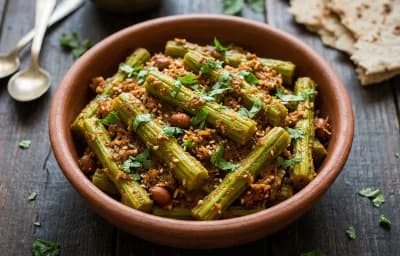
It has a unique, mildly sweet, and earthy flavor. The inner pulp is succulent and absorbs the flavors of the spices and sauces it is cooked in, while the seeds have a slightly nutty taste.
No, the outer skin is very fibrous and woody. Most people chew on the cooked pod to extract the soft inner pulp and seeds, then discard the remaining fibrous shell.
shevgyachya shenga is a versatile ingredient found in cuisines around the world. With 37 calories per 100g and 2.1 grams of protein, it's a nutritious addition to many dishes.
Explore more ingredients in the vegetable category with complete nutrition information.
View all vegetable →Discover 0 recipes featuring shevgyachya shenga with step-by-step instructions.
Browse recipes →Store the pods in the refrigerator wrapped in a damp cloth or inside a perforated plastic bag. They typically stay fresh for 3 to 5 days before they begin to lose moisture and become limp.
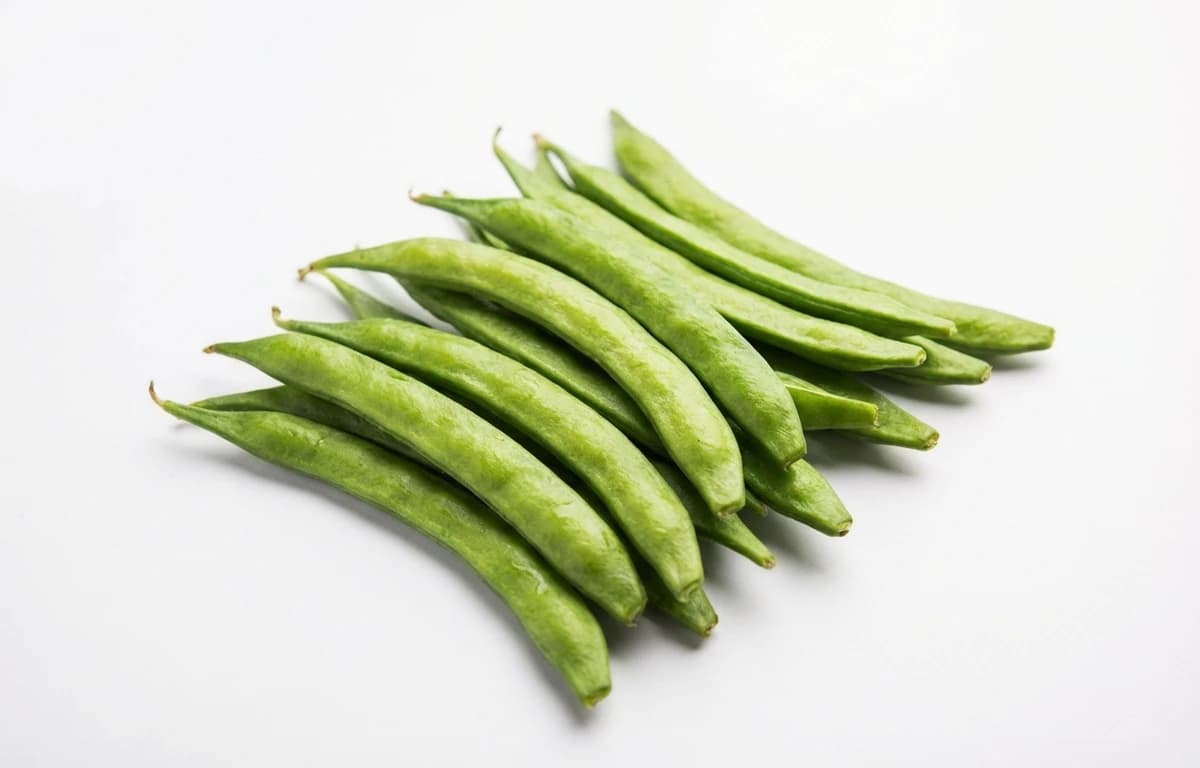
Fresh pods should be firm, bright green, and snap easily when bent. If they are yellowing, feel rubbery, or have soft dark spots, they are likely past their prime and may be too woody to eat.
Yes, it is often recommended for diabetics because it is low in calories and contains fiber and specific plant compounds that may help in regulating blood sugar levels.