Vegetable8 recipes
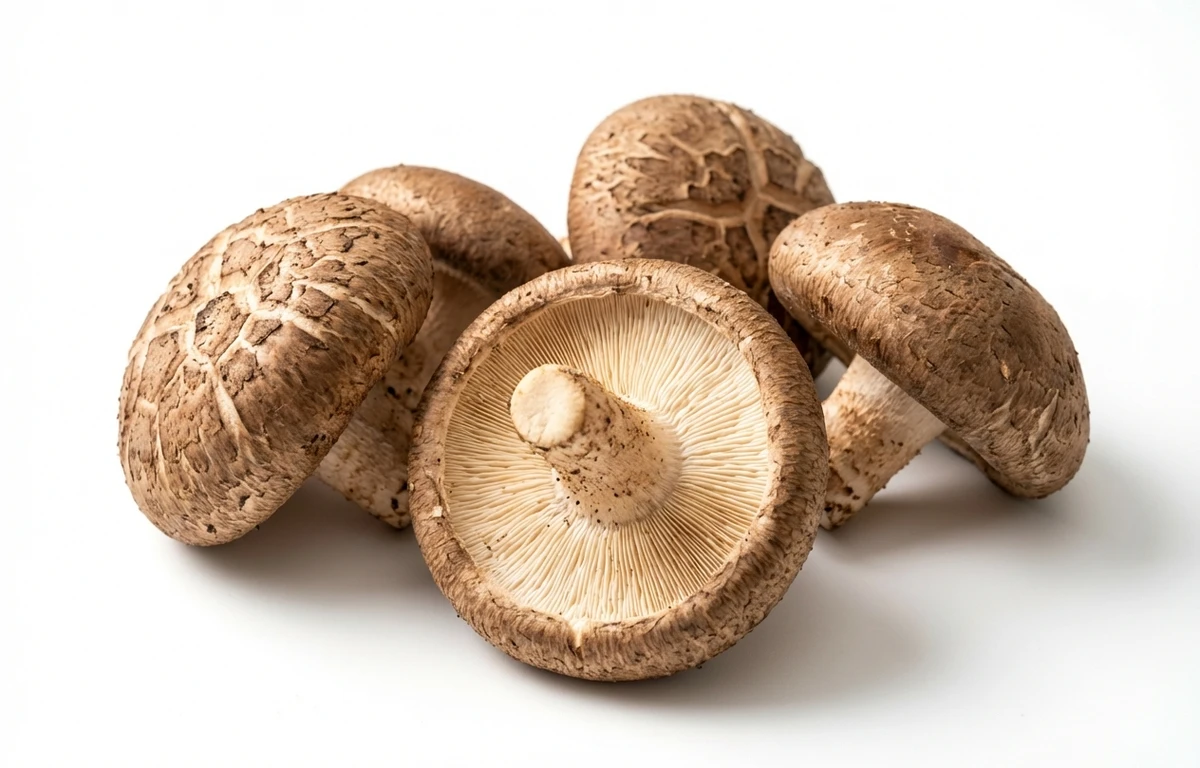
shiitake mushrooms.
VegetarianVeganGluten-freeDairy-freeNut-freePeanut-freeSoy-freeEgg-freeShellfish-freeHoney-freeAlcohol-free
ALSO KNOWN AS
shiitake mushroomshiitakeblack forest mushroomsoakwood mushroomssawtooth oak mushroomsxiangguhua gudonko
SERVING
CALORIES
34
PROTEIN
2.2g
CARBS
6.8g
FAT
0.50g
FIBER
2.5g
This ingredient is flagged as naturally gluten-free. Per 100 g, it provides 0 µg of vitamin K.
NUTRITION PROFILE · per 100 g
Everything in this ingredient.
MACRONUTRIENTS
Calories34kcal—
Protein2.2g4%
Carbohydrates6.8g2%
Fiber2.5g9%
Sugar2.4g5%
Total fat0.50g1%
Saturated fat0.05g0%
Trans fat0g—
Cholesterol0mg0%
Water89.7g—
MINERALS
Sodium9.0mg0%
Potassium304mg6%
Calcium2.0mg0%
Iron0.40mg2%
Magnesium20mg5%
Phosphorus112mg9%
Zinc1.0mg9%
Copper0.14mg16%
Manganese0.23mg10%
Selenium5.7µg10%
VITAMINS
Vitamin A0µg0%
Vitamin C0mg0%
Vitamin D0.40µg2%
Vitamin E0mg0%
Vitamin K0µg0%
Thiamin (B1)0.01mg1%
Riboflavin (B2)0.22mg17%
Niacin (B3)3.9mg24%
Pantothenic acid (B5)1.5mg30%
Vitamin B60.29mg17%
Folate (B9)13µg3%
Vitamin B120µg0%
%DV based on a 2,000 cal diet. Source: USDA FoodData Central. A dash in the %DV column means there’s no established Daily Value for that nutrient.
MEASUREMENT CONVERSIONS
How much is what.
1 cup140g
1 tablespoon10g
1 teaspoon3.5g
1 oz28.4g
1 lb453.6g
1 piece18g
HEALTH BENEFITS
Why eat it.
- ✓Rich in copper which supports healthy blood vessels and bones
- ✓Good source of B vitamins for energy metabolism
- ✓Contains compounds that may help lower LDL cholesterol
- ✓Provides dietary fiber for digestive health
COOKING TIPS
In the kitchen.
- 1Remove the stems before cooking as they are often too woody to eat
- 2Sauté on medium-high heat without overcrowding to achieve a golden-brown sear
- 3Save the tough stems to add deep umami flavor to vegetable or meat stocks
STORAGE
Keep it fresh.
- Store in a breathable paper bag in the refrigerator to prevent sliminess
- Do not wash or trim until immediately before cooking
- Keep away from strong-smelling foods as mushrooms absorb odors easily
FAQ
Frequently asked questions.
How long do fresh shiitake mushrooms last?
When stored properly in a paper bag in the fridge, they typically last 7 to 10 days.
Can you eat shiitake mushroom stems?
While not toxic, the stems are very fibrous and tough. They are usually removed and used for flavoring stocks rather than eaten directly.
What is the best substitute for shiitake mushrooms?
Cremini (baby bella) or Portobello mushrooms are the best substitutes for texture, though they have a milder flavor.
Should I wash shiitake mushrooms before cooking?
Avoid soaking them. Instead, wipe them with a damp paper towel or use a soft brush to remove any debris.
How do I pick the best shiitake mushrooms?
Look for caps that are firm, plump, and dry. Avoid any that are slimy, bruised, or have shriveled edges.
Can shiitake mushrooms be frozen?
Yes, but it is best to sauté them in a little oil or butter first, let them cool, and then freeze in an airtight container.
Are shiitake mushrooms high in protein?
They contain about 2.2g of protein per 100g, which is decent for a vegetable/fungi but not a primary protein source.
What gives shiitake mushrooms their 'umami' taste?
They are high in glutamate and guanylate, compounds that trigger the savory umami taste receptors.
Are shiitake mushrooms seasonal?
While they naturally peak in spring and autumn, they are widely cultivated and available year-round in most markets.
RECIPES
Cook with shiitake mushrooms.
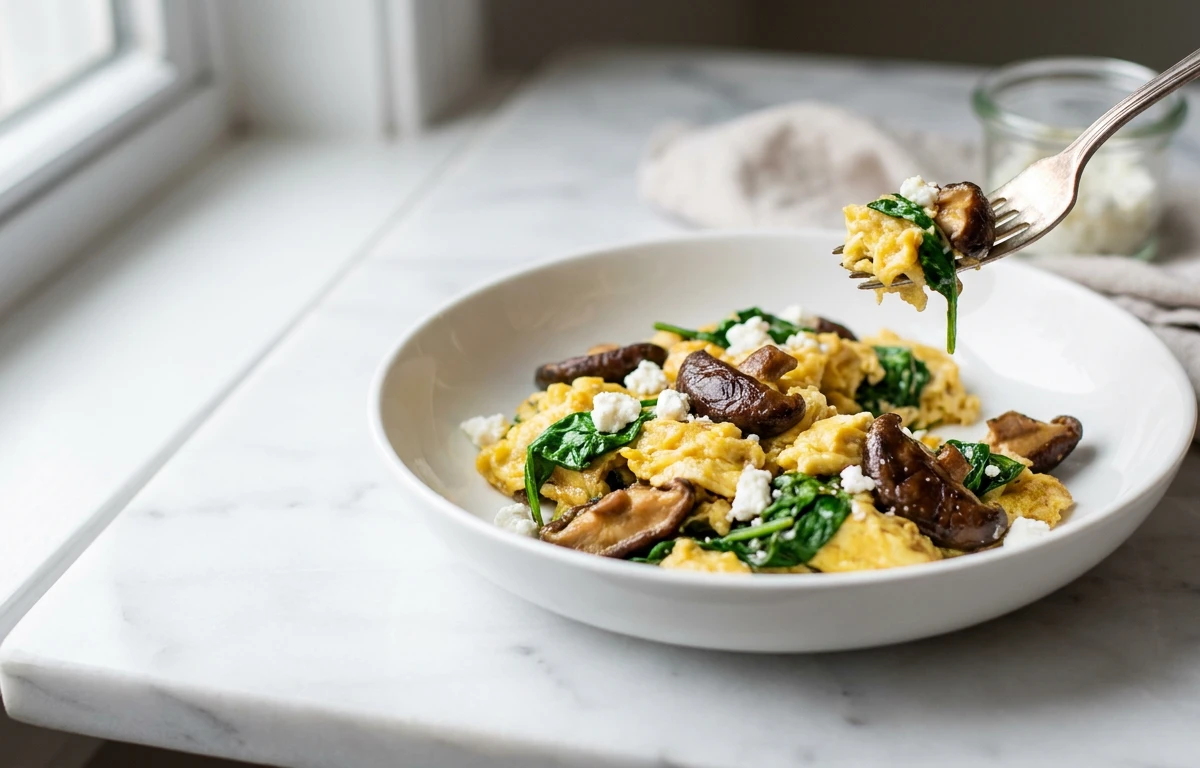
8 recipes · sorted by what’s quick