
Other1 recipes
shiso leaves.
VegetarianVeganGluten-freeDairy-freeNut-freePeanut-freeSoy-freeEgg-freeShellfish-freeHoney-freeAlcohol-free
ALSO KNOWN AS
perilla leavesjapanese basilaojiso
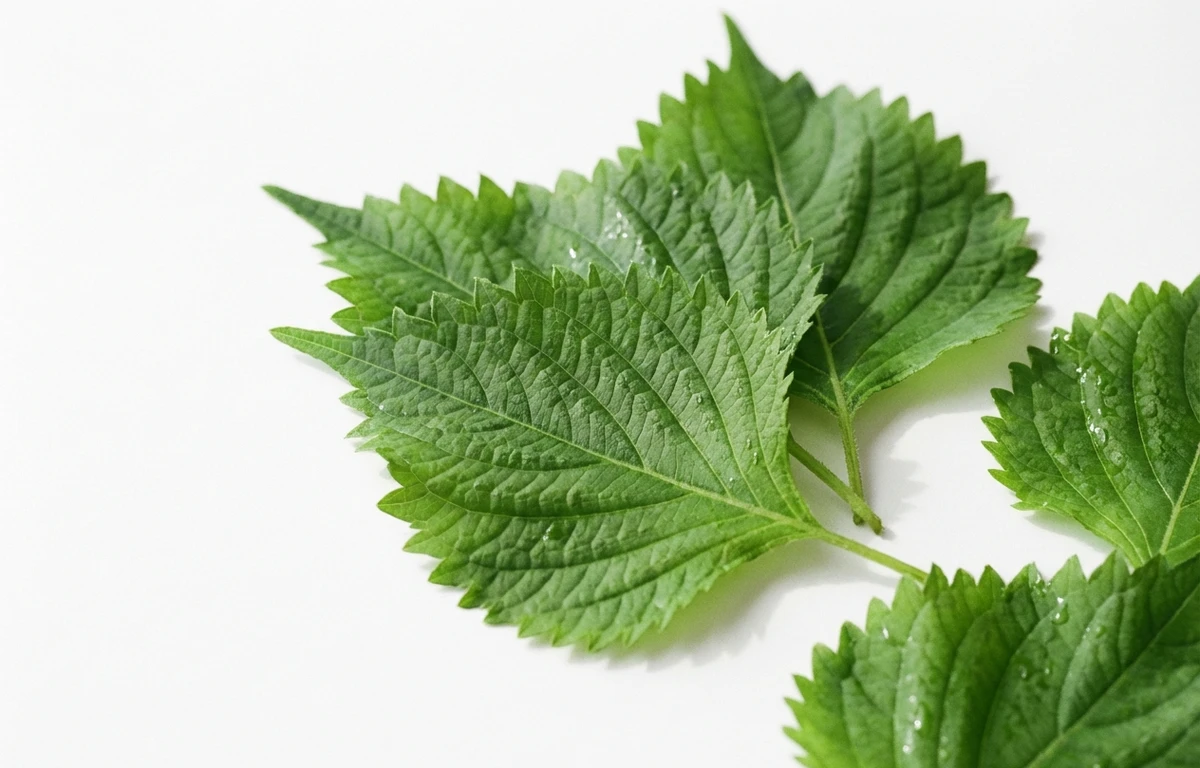
SERVING
CALORIES
37
PROTEIN
3.0g
CARBS
6.0g
FAT
0.10g
FIBER
3.5g
This ingredient is flagged as naturally gluten-free. Per 100 g, it provides 600 µg of vitamin K.
NUTRITION PROFILE · per 100 g
Everything in this ingredient.
MACRONUTRIENTS
Calories37kcal—
Protein3.0g6%
Carbohydrates6.0g2%
Fiber3.5g13%
Sugar0.50g1%
Total fat0.10g0%
Saturated fat0.01g0%
Trans fat0g—
Cholesterol0mg0%
Water86g—
MINERALS
Sodium2.0mg0%
Potassium500mg11%
Calcium230mg18%
Iron1.7mg9%
Magnesium70mg17%
Phosphorus60mg5%
Zinc0.50mg5%
Copper0.10mg11%
Manganese1.1mg48%
Selenium0.50µg1%
VITAMINS
Vitamin A440µg49%
Vitamin C26mg29%
Vitamin D0µg0%
Vitamin E3.9mg26%
Vitamin K600µg500%
Thiamin (B1)0.13mg11%
Riboflavin (B2)0.34mg26%
Niacin (B3)1.0mg6%
Pantothenic acid (B5)0.20mg4%
Vitamin B60.19mg11%
Folate (B9)110µg28%
Vitamin B120µg0%
%DV based on a 2,000 cal diet. Source: USDA FoodData Central. A dash in the %DV column means there’s no established Daily Value for that nutrient.
MEASUREMENT CONVERSIONS
How much is what.
1 cup25g
1 tablespoon1.5g
1 oz28.4g
1 lb453.6g
1 piece1g
HEALTH BENEFITS
Why eat it.
- ✓Traditional use in respiratory health and digestive support
COOKING TIPS
In the kitchen.
- 1Use whole leaves as a wrap for sashimi or grilled meats
- 2Chiffonade (thinly slice) the leaves to use as a garnish for noodles or salads
- 3Dip in tempura batter and flash-fry for a crispy, aromatic side dish
STORAGE
Keep it fresh.
- Wrap leaves in a damp paper towel and store in a sealed plastic bag in the crisper drawer
- Place the stems in a small glass of water and cover the leaves with a plastic bag
- Avoid washing until immediately before use to prevent premature wilting
FAQ
Frequently asked questions.
How long do shiso leaves last in the fridge?
When stored properly in a damp paper towel and plastic bag, they typically last 3 to 5 days.
What is the best substitute for shiso leaves?
A mix of fresh mint and Thai basil is the closest substitute, though the flavor profile is unique.
Can you eat shiso leaves raw?
Yes, they are most commonly eaten raw in sushi, sashimi, and salads to preserve their delicate aroma.
What do shiso leaves taste like?
They have a complex flavor profile that is a mix of mint, basil, anise, and citrus.
How do I choose the best shiso leaves?
Look for leaves that are bright green (or deep purple for red shiso), firm, and free of dark spots or wilting.
Can shiso leaves be frozen?
They can be frozen, but they will lose their crisp texture. It is best to freeze them in oil or as a pesto.
Are there different types of shiso?
Yes, the two main types are green shiso (aojiso), used for culinary purposes, and red shiso (akajiso), often used for pickling and coloring.
How should I clean shiso leaves?
Rinse them gently under cold water and pat them completely dry with a paper towel before using.
Is shiso the same as perilla?
Shiso is a specific Japanese variety of the Perilla frutescens plant. While related to Korean perilla, they have slightly different leaf shapes and flavors.
RECIPES
Cook with shiso leaves.
1 recipes · sorted by what’s quick



















