
Loading...
Per 100g
Nutrition data source: USDA FoodData Central
Common measurement equivalents in grams
Short grain rice is a healthy source of complex carbohydrates, providing quick and easily digestible energy. It is naturally low in fat and sodium, making it a heart-healthy choice when prepared without excessive salt or butter.
A 100g serving of short grain rice contains approximately 358 calories and 6.5g of protein. It is primarily composed of carbohydrates, providing about 79.2g per 100g serving.
Yes, short grain rice is naturally gluten-free. This makes it an excellent staple grain for individuals with celiac disease or non-celiac gluten sensitivity.
No, short grain rice is not keto-friendly. It is very high in carbohydrates (nearly 80g per 100g), which exceeds the daily carb limit for most people following a ketogenic diet.
Rinse the rice until the water runs clear to remove excess surface starch. Use a ratio of 1 part rice to 1.2 or 1.5 parts water, bring to a boil, then simmer covered for 15-20 minutes until the water is fully absorbed.
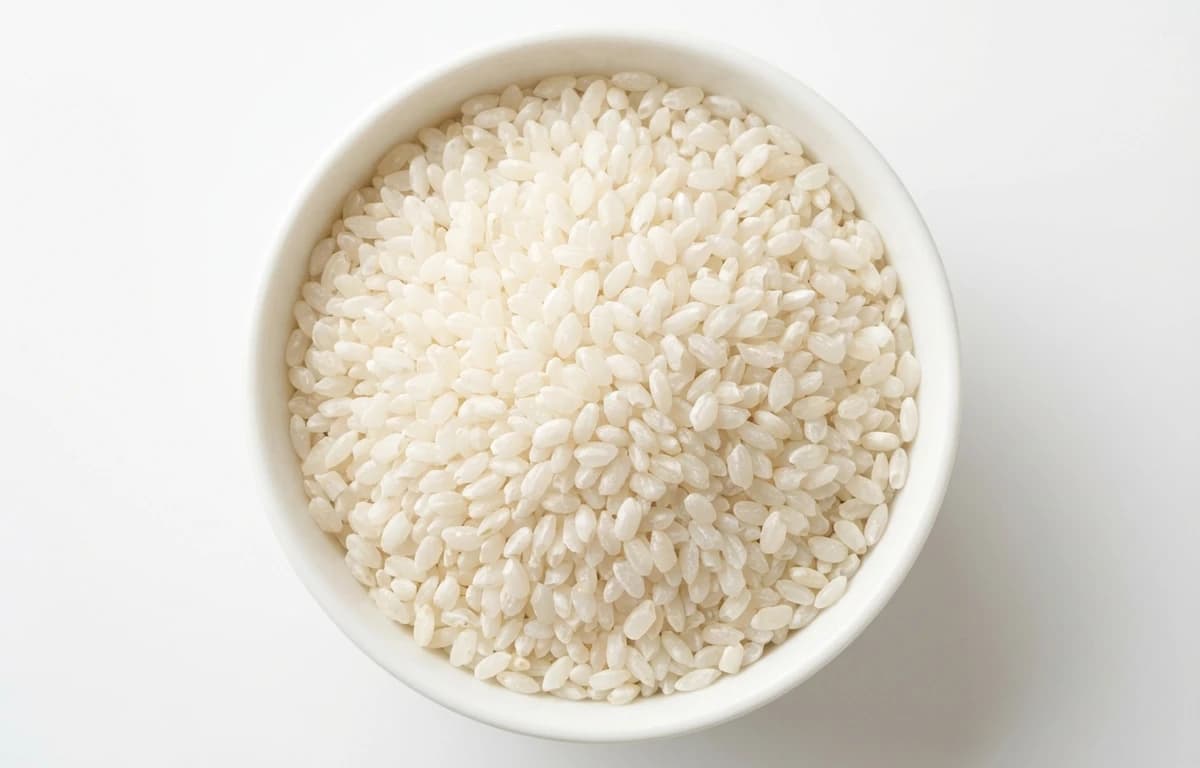
Short grain rice has a mild, slightly sweet flavor and a characteristic sticky, chewy texture. Its high amylopectin starch content allows the grains to clump together, which is why it is preferred for sushi and rice pudding.
You can, but the texture will be very different. Long grain rice stays fluffy and separate when cooked, while short grain rice is sticky; using long grain for dishes like sushi or risotto will not provide the necessary cohesion.
short grain rice is a versatile ingredient found in cuisines around the world. With 358 calories per 100g and 6.5 grams of protein, it's a nutritious addition to many dishes.
Explore more ingredients in the grain category with complete nutrition information.
View all grain →Discover 4 recipes featuring short grain rice with step-by-step instructions.
Browse recipes →Uncooked rice should be stored in a cool, dry place in an airtight container to protect it from moisture and pests. Cooked short grain rice should be refrigerated promptly and consumed within 3 to 4 days.
The stickiness is due to a high concentration of amylopectin, a type of starch. During cooking, this starch is released and creates a glue-like consistency that causes the grains to stick to one another.
Short grain rice can be part of a weight loss plan if eaten in moderation, as it is low in fat. However, because it is calorie-dense and has a higher glycemic index than brown rice, it is best paired with high-fiber vegetables to help manage blood sugar and satiety.