
Grain
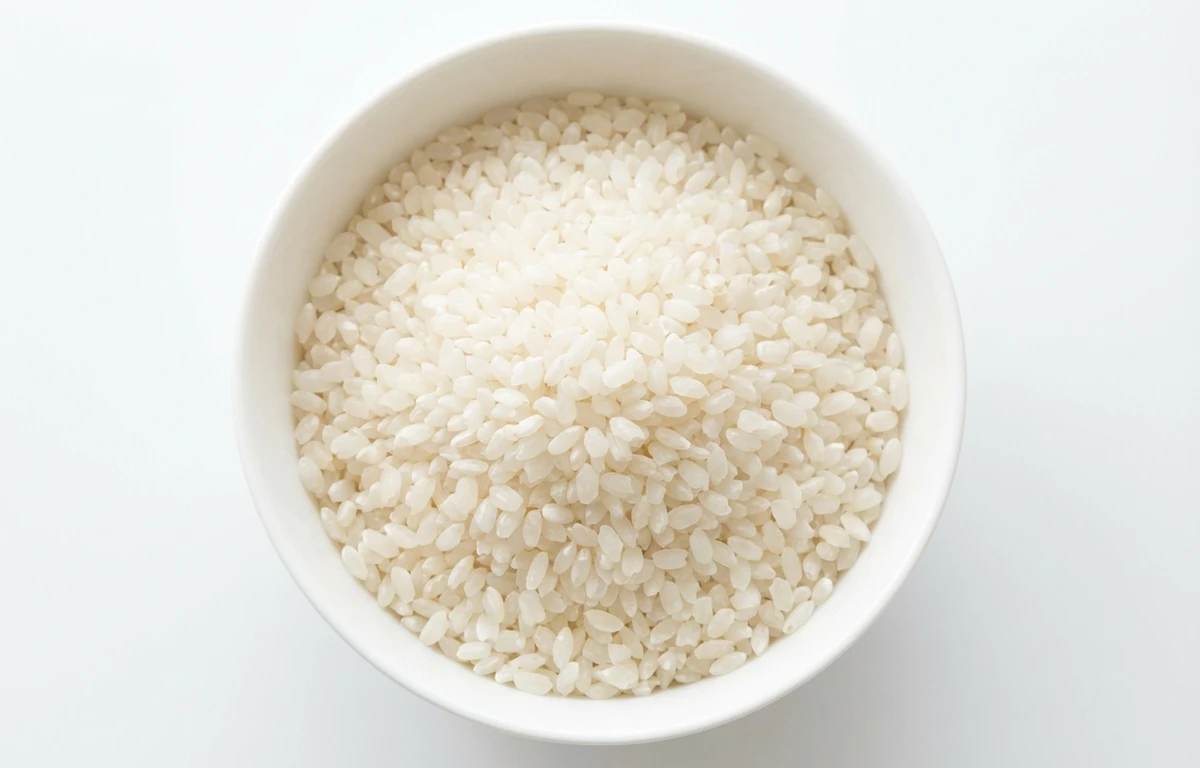
short-grain sushi rice.
VegetarianVeganGluten-freeDairy-freeNut-freePeanut-freeSoy-freeEgg-freeShellfish-freeHoney-freeAlcohol-free
SERVING
CALORIES
358
PROTEIN
6.5g
CARBS
79.1g
FAT
0.50g
FIBER
1.3g
NUTRITION PROFILE · per 100 g
Everything in this ingredient.
MACRONUTRIENTS
Calories358kcal—
Protein6.5g13%
Carbohydrates79.1g29%
Fiber1.3g5%
Sugar0.10g0%
Total fat0.50g1%
Saturated fat0.10g1%
Trans fat0g—
Cholesterol0mg0%
Water13.3g—
MINERALS
Sodium1.0mg0%
Potassium76mg2%
Calcium3.0mg0%
Iron0.80mg4%
Magnesium23mg5%
Phosphorus95mg8%
Zinc1.1mg10%
Copper0.10mg11%
Manganese1.1mg48%
Selenium15.1µg27%
VITAMINS
Vitamin A0µg0%
Vitamin C0mg0%
Vitamin D0µg0%
Vitamin E0.10mg1%
Vitamin K0µg0%
Thiamin (B1)0.07mg6%
Riboflavin (B2)0.02mg2%
Niacin (B3)1.6mg10%
Pantothenic acid (B5)1.0mg20%
Vitamin B60.16mg9%
Folate (B9)8.0µg2%
Vitamin B120µg0%
%DV based on a 2,000 cal diet. Source: USDA FoodData Central. A dash in the %DV column means there’s no established Daily Value for that nutrient.
MEASUREMENT CONVERSIONS
How much is what.
1 cup180g
1 tablespoon12g
1 teaspoon4g
1 ml1g
1 liter800g
HEALTH BENEFITS
Why eat it.
- ✓Provides a quick source of energy due to its high carbohydrate content, primarily easily digestible starch.
- ✓Naturally gluten-free, making it a suitable grain for individuals with celiac disease or gluten sensitivity.
- ✓Low in fat and sodium (when unseasoned), which can be part of a heart-healthy diet.
- ✓Contains manganese, a mineral essential for metabolism, bone formation, and antioxidant function.
COOKING TIPS
In the kitchen.
- 1Rinse the rice thoroughly with cold water until the water runs clear to remove excess surface starch, ensuring a less gummy texture.
- 2For optimal stickiness, use a 1:1 or 1:1.1 ratio of rice to water. After cooking, let it steam off the heat, covered, for 10-15 minutes.
- 3Season the rice while it is still hot with a mixture of rice vinegar, sugar, and salt. Use a gentle cutting and folding motion with a rice paddle to mix without mashing the grains.
STORAGE
Keep it fresh.
- Store uncooked rice in an airtight container in a cool, dark, and dry place to protect it from moisture and pests; it can last for several years.
- Refrigerate cooked rice in an airtight container within two hours of cooking and consume within 3-4 days to prevent bacterial growth.
FAQ
Frequently asked questions.
Is short-grain sushi rice healthy?
Sushi rice is a healthy source of quick energy due to its high carbohydrate content and is naturally low in fat and sodium. It also provides manganese, which is essential for metabolism and bone health. However, because it is a refined grain with a high glycemic index, it should be balanced with fiber and protein.
How many calories and carbs are in sushi rice?
Per 100g of dry short-grain sushi rice, there are approximately 358 calories and 79.1g of carbohydrates. It is a dense energy source with about 6.5g of protein and very little fat (0.5g).
Is sushi rice gluten-free?
Yes, short-grain sushi rice is naturally gluten-free. Despite its 'sticky' or 'glutinous' texture when cooked, it does not contain the gluten protein found in wheat, making it safe for those with celiac disease or gluten intolerance.
Is sushi rice keto-friendly?
No, sushi rice is not keto-friendly. With over 79g of carbohydrates per 100g, it is a high-carb food that would likely exceed the daily carb limit for a ketogenic diet.
What makes sushi rice different from regular long-grain white rice?
Sushi rice is a short-grain variety that contains a higher proportion of amylopectin starch. This starch makes the rice sticky and moist when cooked, allowing it to hold its shape in rolls, whereas long-grain rice remains fluffy and separate.
How do you prepare sushi rice for cooking?
You should always rinse sushi rice in cold water several times until the water runs clear to remove excess surface starch. This prevents the rice from becoming overly gummy and ensures a clean, distinct texture for each grain.
Can I substitute sushi rice with Jasmine or Basmati rice?
It is not recommended to use long-grain varieties like Jasmine or Basmati for sushi because they lack the stickiness required to hold rolls together. If you cannot find sushi rice, a medium-grain rice like Calrose is the best substitute.
How do you season sushi rice?
Traditional sushi rice is seasoned after cooking by folding in a mixture of rice vinegar, sugar, and salt while the rice is still warm. This gives the rice its signature tangy-sweet flavor and glossy appearance.
How should I store uncooked sushi rice?
Uncooked sushi rice should be kept in a cool, dry, and dark place in an airtight container. When stored away from moisture and pests, it can maintain its quality for up to two years.
How long does cooked sushi rice last?
Cooked sushi rice can be stored in the refrigerator for 1-2 days in an airtight container. However, refrigeration can cause the starch to crystallize and make the rice hard; it is best consumed fresh at room temperature for the ideal texture.



















