
Loading...
Also known as:
Per 100g
Nutrition data source: USDA FoodData Central
Common measurement equivalents in grams
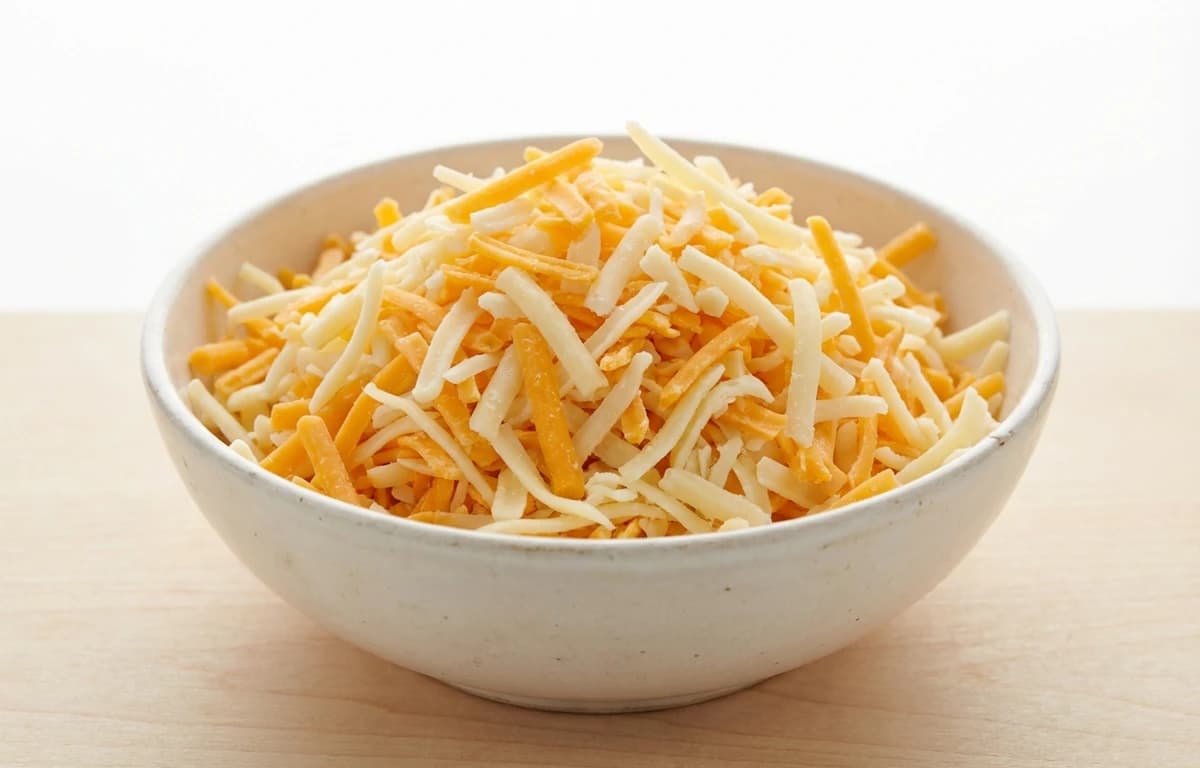
Shredded cheese blend is a nutrient-dense dairy product that provides high amounts of calcium, protein, and Vitamin B12. While it supports bone health and muscle repair, it is also high in saturated fat and calories, so it should be consumed in moderation.
A 100g serving of shredded cheese blend contains approximately 25g of protein. This makes it an excellent source for muscle maintenance and growth, comparable to many lean meats.
Yes, shredded cheese blend is very keto-friendly. With only 3g of carbohydrates and 30g of fat per 100g, it fits perfectly into low-carb, high-fat dietary profiles.
Most shredded cheese blends are naturally gluten-free. While manufacturers add anti-caking agents like potato starch or cellulose to prevent clumping, these are typically gluten-free; however, always check the label for specific additives.
Pre-shredded cheese is coated with anti-caking agents like cornstarch or potato starch to prevent the shreds from sticking together. These coatings can sometimes result in a slightly grainier texture or a less smooth melt compared to freshly grated cheese from a block.
Yes, shredded cheese freezes very well for up to 3 months. It is best used directly from the freezer in cooked dishes like pizzas or casseroles, as the texture may become slightly more crumbly once thawed.
Once the package is opened, shredded cheese typically stays fresh for 5 to 7 days in the refrigerator. To maximize shelf life, ensure the bag is tightly sealed or transferred to an airtight container to prevent mold growth.
Shredded Cheese Blend is a versatile ingredient found in cuisines around the world. With 370 calories per 100g and 25 grams of protein, it's a nutritious addition to many dishes.
Explore more ingredients in the dairy product category with complete nutrition information.
View all dairy product →Discover 2 recipes featuring shredded cheese blend with step-by-step instructions.
Browse recipes →Explore more ingredients similar to Shredded Cheese Blend.
The most-searched ingredients on CraftMyMeals.
Check for any visible mold (white, green, or blue fuzzy spots), a sour or fermented smell, or a slimy texture. If any of these signs are present, the entire bag should be discarded as mold can spread quickly through shredded pieces.
It is not lactose-free, but many aged cheeses used in blends (like Cheddar or Parmesan) are naturally lower in lactose than fresh cheeses. People with mild sensitivities may tolerate it, but those with severe lactose intolerance should seek specifically labeled lactose-free versions.
Because it contains 370 calories per 100g, it should be used sparingly if you are monitoring calorie intake. However, its high protein content can help promote satiety, which may assist in appetite control when used as a flavorful garnish.