condiment1 recipes
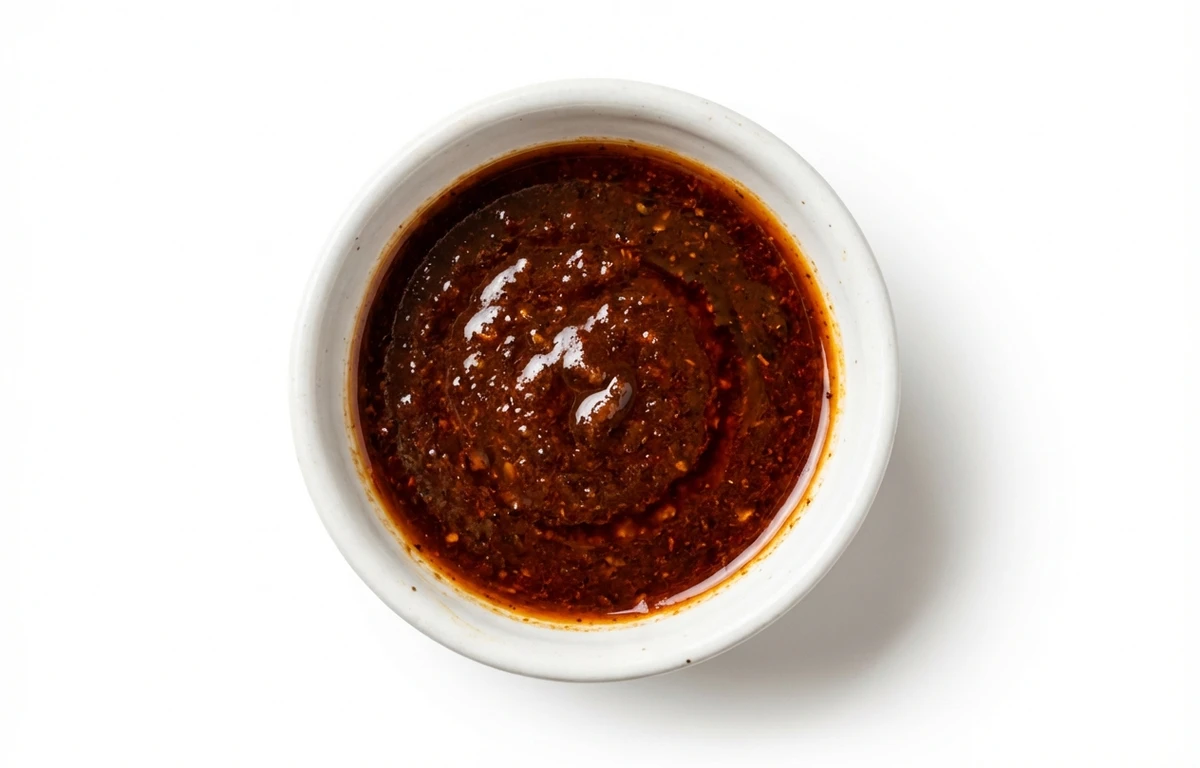
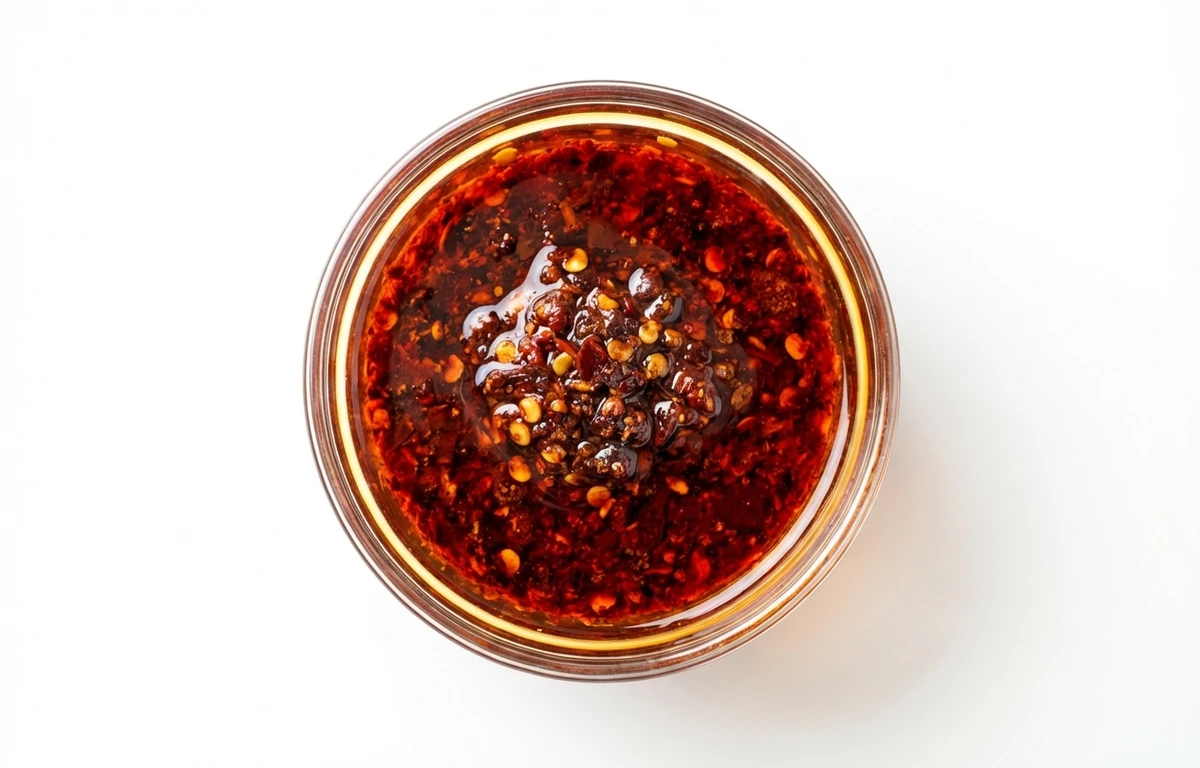
Sichuan Chili Oil.
VegetarianVeganGluten-freeDairy-freeNut-freePeanut-freeSoy-freeEgg-freeShellfish-freeHoney-freeAlcohol-free
SERVING
CALORIES
855
PROTEIN
1.5g
CARBS
5.0g
FAT
95g
FIBER
2.0g
NUTRITION PROFILE · per 100 g
Everything in this ingredient.
MACRONUTRIENTS
Calories855kcal—
Protein1.5g3%
Carbohydrates5.0g2%
Fiber2.0g7%
Sugar1.0g2%
Total fat95g122%
Saturated fat12g60%
Trans fat0g—
Cholesterol0mg0%
Water0.50g—
MINERALS
Sodium1500mg65%
Potassium50mg1%
Calcium10mg1%
Iron0.50mg3%
Magnesium5.0mg1%
Phosphorus10mg1%
Zinc0.10mg1%
Copper0.02mg2%
Manganese0.05mg2%
Selenium1.0µg2%
VITAMINS
Vitamin A50µg6%
Vitamin C0.50mg1%
Vitamin D0µg0%
Vitamin E10mg67%
Vitamin K50µg42%
Thiamin (B1)0.01mg1%
Riboflavin (B2)0.01mg1%
Niacin (B3)0.10mg1%
Pantothenic acid (B5)0.05mg1%
Vitamin B60.02mg1%
Folate (B9)5.0µg1%
Vitamin B120µg0%
%DV based on a 2,000 cal diet. Source: USDA FoodData Central. A dash in the %DV column means there’s no established Daily Value for that nutrient.
MEASUREMENT CONVERSIONS
How much is what.
1 cup0.5g
1 tablespoon7.3g
1 teaspoon21.7g
1 oz3.5g
1 lb0.2g
1 ml108.7g
1 liter0.1g
1 piece50g
HEALTH BENEFITS
Why eat it.
- ✓Capsaicin may boost metabolism and aid in pain relief.
- ✓Adds a rich, complex flavor profile to dishes.
- ✓Contains antioxidants from chili peppers and spices.
COOKING TIPS
In the kitchen.
- 1Drizzle over noodles, dumplings, or rice for a spicy kick.
- 2Use as a dipping sauce for various appetizers.
- 3Incorporate into stir-fries or marinades for authentic Sichuan flavor.
STORAGE
Keep it fresh.
- Store in an airtight container in a cool, dark place.
- Refrigeration can extend shelf life, especially after opening.
- Ensure oil fully covers solids to prevent spoilage.
FAQ
Frequently asked questions.
Is Sichuan chili oil healthy?
Sichuan chili oil contains capsaicin, which may boost metabolism and provide antioxidant benefits. However, it is very calorie-dense and high in fat, so it should be consumed in moderation as a condiment rather than a primary food source.
How many calories and fat are in Sichuan chili oil?
Sichuan chili oil is high in energy, containing approximately 855 calories and 95g of fat per 100g. It is very low in protein (1.5g) and carbohydrates (5g), making it a concentrated source of dietary fats.
Is Sichuan chili oil keto-friendly?
Yes, it is excellent for a keto or low-carb diet. With 95g of fat and only 5g of carbs per 100g, it provides a significant amount of fat for energy without spiking blood sugar levels.
Is Sichuan chili oil vegan?
Most Sichuan chili oils are vegan as they are made from vegetable oil, dried chilies, and aromatics like star anise and ginger. However, some brands may include dried shrimp or fish sauce for umami, so always check the ingredient label.
Is Sichuan chili oil gluten-free?
While the base ingredients are naturally gluten-free, some commercial versions may contain soy sauce or malt vinegar. If you have a gluten sensitivity, look for brands specifically labeled gluten-free or check for wheat-based additives.
What does Sichuan chili oil taste like?
It offers a complex, layered flavor profile that is spicy, nutty, and savory. The signature characteristic is the 'mumbing' sensation (mala) caused by Sichuan peppercorns, which balances the heat of the chili flakes.
How do you use Sichuan chili oil in cooking?
It is primarily used as a finishing oil or dipping sauce. Drizzle it over dumplings, noodles, or silken tofu, or use it as a base for salad dressings and stir-fry sauces to add depth and heat.
How should I store Sichuan chili oil?
Store it in a cool, dark place like a pantry for up to 6 months. For maximum freshness and to prevent the oil from becoming rancid, you can store it in the refrigerator, though the oil may become cloudy or semi-solid when cold.
How do I know if Sichuan chili oil has gone bad?
The most common sign of spoilage is a rancid, soapy, or 'off' smell, indicating the fats have oxidized. If you notice any mold growth on the sediment at the bottom or a significant loss of aroma, it should be discarded.
Can I use Sichuan chili oil for high-heat frying?
It is not recommended for deep-frying or high-heat sautéing because the chili flakes and spices in the oil can burn quickly and become bitter. It is best used as a finishing oil or added at the very end of the cooking process.
RECIPES
Cook with sichuan chili oil.
1 recipes · sorted by what’s quick