
Other
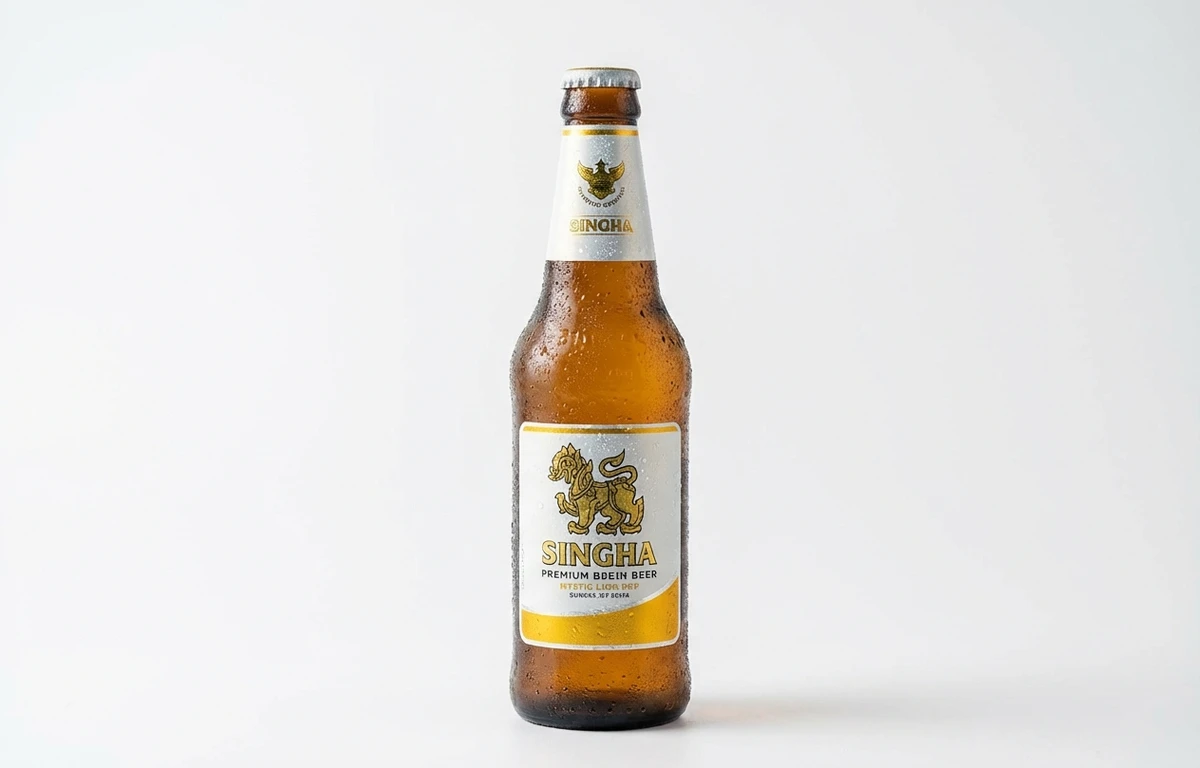
singha beer.
VegetarianVeganGluten-freeDairy-freeNut-freePeanut-freeSoy-freeEgg-freeShellfish-freeHoney-freeAlcohol-freeHalalKosherFermented
ALSO KNOWN AS
singhasingha lagerthai beer
SERVING
CALORIES
43
PROTEIN
0.30g
CARBS
3.5g
FAT
0g
FIBER
0g
Per 100 g, it provides 0 µg of vitamin K.
NUTRITION PROFILE · per 100 g
Everything in this ingredient.
MACRONUTRIENTS
Calories43kcal—
Protein0.30g1%
Carbohydrates3.5g1%
Fiber0g0%
Sugar0.10g0%
Total fat0g0%
Saturated fat0g0%
Trans fat0g—
Cholesterol0mg0%
Water92.5g—
MINERALS
Sodium4.0mg0%
Potassium27mg1%
Calcium4.0mg0%
Iron0.02mg0%
Magnesium6.0mg1%
Phosphorus14mg1%
Zinc0.01mg0%
Copper0.01mg1%
Manganese0.01mg0%
Selenium0.60µg1%
VITAMINS
Vitamin A0µg0%
Vitamin C0mg0%
Vitamin D0µg0%
Vitamin E0mg0%
Vitamin K0µg0%
Thiamin (B1)0.01mg1%
Riboflavin (B2)0.03mg2%
Niacin (B3)0.51mg3%
Pantothenic acid (B5)0.04mg1%
Vitamin B60.04mg2%
Folate (B9)6.0µg2%
Vitamin B120.02µg1%
%DV based on a 2,000 cal diet. Source: USDA FoodData Central. A dash in the %DV column means there’s no established Daily Value for that nutrient.
MEASUREMENT CONVERSIONS
How much is what.
1 cup236g
1 tablespoon14.8g
1 teaspoon4.9g
1 oz28.4g
1 lb453.6g
1 ml1g
1 liter1000g
HEALTH BENEFITS
Why eat it.
- ✓Contains trace amounts of B vitamins
- ✓Moderate consumption may reduce stress
- ✓Low in sodium compared to other processed beverages
COOKING TIPS
In the kitchen.
- 1Excellent for beer-battering fish or vegetables for a light, crispy texture
- 2Use as a braising liquid for meats to add depth and maltiness
- 3Can be used in bread making to provide a unique yeast-like flavor
STORAGE
Keep it fresh.
- Store in a cool, dark place away from direct sunlight
- Keep bottles upright to minimize oxidation
- Best served chilled between 4°C and 7°C
FAQ
Frequently asked questions.
How long does Singha beer last?
Unopened Singha beer typically lasts 6 to 9 months past its bottling date if stored in a cool, dark place. Once opened, it should be consumed immediately as it loses carbonation quickly.
Is Singha beer vegan?
Yes, Singha beer is generally considered vegan as it does not use animal-derived fining agents like isinglass in its modern production process.
What is the alcohol content of Singha?
Singha is a premium lager with an alcohol by volume (ABV) of approximately 5%.
What are the best food pairings for Singha?
Singha's crisp, malty profile pairs perfectly with spicy Thai cuisine, grilled meats, and salty snacks.
Can I freeze Singha beer?
Freezing is not recommended as the liquid expands and can cause the bottle or can to burst. It also negatively affects the flavor and carbonation.
What can I use as a substitute for Singha in cooking?
Any pale lager or pilsner, such as Leo, Chang, or Heineken, can be used as a substitute in recipes.
How should I select the best bottle of Singha?
Look for the freshest bottling date and ensure the packaging is intact. Avoid bottles that have been exposed to bright light or heat for long periods.



















