
Dairy
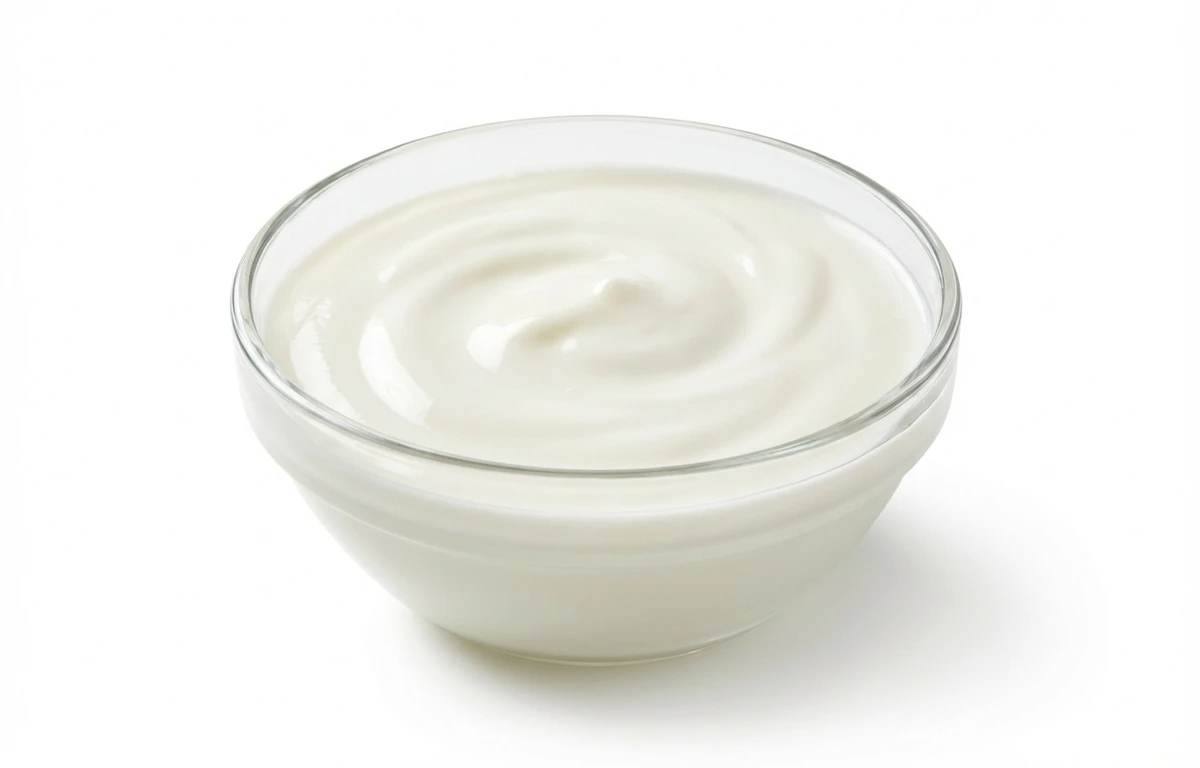
skim milk plain yogurt.
VegetarianVeganGluten-freeDairy-freeNut-freePeanut-freeSoy-freeEgg-freeShellfish-freeHoney-freeAlcohol-freeFermented
SERVING
CALORIES
56
PROTEIN
5.7g
CARBS
7.7g
FAT
0.18g
FIBER
0g
NUTRITION PROFILE · per 100 g
Everything in this ingredient.
MACRONUTRIENTS
Calories56kcal—
Protein5.7g11%
Carbohydrates7.7g3%
Fiber0g0%
Sugar7.7g15%
Total fat0.18g0%
Saturated fat0.12g1%
Cholesterol2.0mg1%
Water85.2g—
MINERALS
Sodium77mg3%
Potassium255mg5%
Calcium199mg15%
Iron0.09mg1%
Magnesium19mg5%
Phosphorus157mg13%
Zinc0.97mg9%
Copper0.02mg2%
Manganese0.01mg0%
Selenium3.6µg7%
VITAMINS
Vitamin A2.0µg0%
Vitamin C0.90mg1%
Vitamin D0µg0%
Vitamin E0mg0%
Vitamin K0.20µg0%
Thiamin (B1)0.05mg4%
Riboflavin (B2)0.23mg18%
Niacin (B3)0.12mg1%
Pantothenic acid (B5)0.64mg13%
Vitamin B60.05mg3%
Folate (B9)12µg3%
Vitamin B120.61µg25%
%DV based on a 2,000 cal diet. Source: USDA FoodData Central. A dash in the %DV column means there’s no established Daily Value for that nutrient.
MEASUREMENT CONVERSIONS
How much is what.
1 cup245g
1 tablespoon15.3g
1 teaspoon5.1g
1 ml1g
1 liter1020.8g
HEALTH BENEFITS
Why eat it.
- ✓Rich in probiotics (live active cultures) which support gut health and digestion.
- ✓Excellent source of lean protein, promoting muscle repair and feelings of fullness (satiety).
- ✓High in calcium and often fortified with Vitamin D, which are essential for strong bones and teeth.
- ✓Low in fat and calories, making it a beneficial food for weight management.
COOKING TIPS
In the kitchen.
- 1Use as a healthy, low-fat substitute for sour cream, mayonnaise, or crème fraîche in dips, dressings, and sauces.
- 2To prevent curdling when adding to hot dishes, temper the yogurt by slowly whisking a small amount of the hot liquid into it before incorporating it into the main dish.
- 3Acts as a tenderizer in marinades for chicken, lamb, or fish due to its lactic acid content.
- 4Add to baked goods like muffins, cakes, and breads to provide moisture and a subtle tangy flavor.
STORAGE
Keep it fresh.
- Always store in the refrigerator at or below 40°F (4°C) to maintain freshness and prevent spoilage.
- Keep the container tightly sealed and consume within 5-7 days after opening for best quality.
- Avoid storing yogurt in the refrigerator door, as temperature fluctuations can affect its texture and shelf life.
FAQ
Frequently asked questions.
Is skim milk plain yogurt healthy?
Yes, it is highly nutritious. It provides a significant amount of lean protein, calcium, and Vitamin D while being very low in fat and calories, making it excellent for bone health and muscle maintenance.
How much protein is in skim milk plain yogurt?
Every 100g of skim milk plain yogurt contains approximately 5.73g of protein. This makes it an efficient source of lean protein for those looking to increase their intake without adding extra fat.
Is skim milk plain yogurt good for weight loss?
Yes, it is an ideal food for weight management. With only 56 calories and 0.18g of fat per 100g, its high protein content helps promote satiety, which can help reduce overall calorie intake throughout the day.
Is skim milk plain yogurt lactose-free?
No, it is not lactose-free as it is a dairy product made from cow's milk. However, the live active cultures (probiotics) help break down some of the lactose, which may make it easier to digest for some people with mild sensitivities compared to regular milk.
Is skim milk plain yogurt keto-friendly?
It is generally not considered keto-friendly in large amounts because it contains about 7.68g of carbohydrates per 100g. Those on a strict ketogenic diet usually prefer full-fat Greek yogurt, which typically has a higher fat-to-carb ratio.
Can I use skim milk plain yogurt as a substitute for sour cream?
Yes, it is an excellent low-fat substitute for sour cream in dips, dressings, and as a topping for tacos or baked potatoes. It has a similar tangy flavor, though the consistency is thinner than sour cream.
Can I cook or bake with skim milk plain yogurt?
Yes, it can be used in baking to add moisture and a slight tang to cakes and muffins. However, when using it in hot sauces, be careful as the low fat content makes it prone to curdling; it is best to add it at the very end of the cooking process over low heat.
How long does skim milk plain yogurt last after opening?
Once opened, it typically stays fresh for 7 to 10 days when kept refrigerated at or below 40°F (4°C). Always keep the container tightly sealed and use a clean spoon to prevent cross-contamination.
How can I tell if skim milk plain yogurt has gone bad?
Signs of spoilage include a strong sour or rancid smell, visible mold, or a change in color. While a small amount of clear liquid (whey) on top is normal and can be stirred back in, an excessive amount or a bubbly texture indicates it should be discarded.
What are the benefits of the probiotics in this yogurt?
The live active cultures support a healthy gut microbiome, which can improve digestion and boost the immune system. These probiotics help maintain the balance of beneficial bacteria in the digestive tract, potentially reducing bloating and regularity issues.



















