
Other
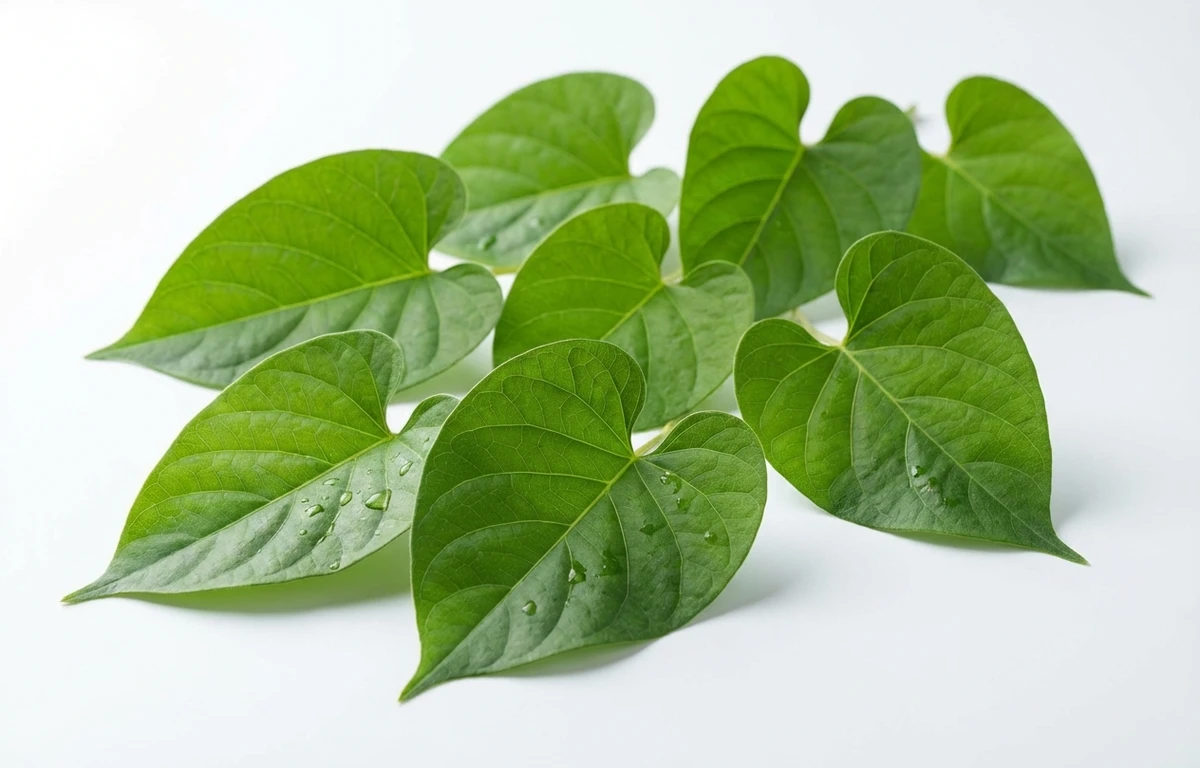
skunk vine leaves.
VegetarianVeganGluten-freeDairy-freeNut-freePeanut-freeSoy-freeEgg-freeShellfish-freeHoney-freeAlcohol-freeHalalKosher
ALSO KNOWN AS
stinkvine leaveschinese fever vine leavesgandalgandhabhaduliaprasarini
SERVING
CALORIES
42
PROTEIN
3.5g
CARBS
7.2g
FAT
0.40g
FIBER
3.8g
This ingredient is flagged as naturally gluten-free. Per 100 g, it provides 150 µg of vitamin K.
NUTRITION PROFILE · per 100 g
Everything in this ingredient.
MACRONUTRIENTS
Calories42kcal—
Protein3.5g7%
Carbohydrates7.2g3%
Fiber3.8g14%
Sugar0.50g1%
Total fat0.40g1%
Saturated fat0.10g1%
Trans fat0g—
Cholesterol0mg0%
Water85g—
MINERALS
Sodium15mg1%
Potassium320mg7%
Calcium180mg14%
Iron4.5mg25%
Magnesium45mg11%
Phosphorus60mg5%
Zinc0.80mg7%
Copper0.20mg22%
Manganese0.50mg22%
Selenium0.50µg1%
VITAMINS
Vitamin A250µg28%
Vitamin C45mg50%
Vitamin D0µg0%
Vitamin E1.2mg8%
Vitamin K150µg125%
Thiamin (B1)0.08mg7%
Riboflavin (B2)0.15mg12%
Niacin (B3)0.80mg5%
Pantothenic acid (B5)0.30mg6%
Vitamin B60.10mg6%
Folate (B9)60µg15%
Vitamin B120µg0%
%DV based on a 2,000 cal diet. Source: USDA FoodData Central. A dash in the %DV column means there’s no established Daily Value for that nutrient.
MEASUREMENT CONVERSIONS
How much is what.
1 cup30g
1 tablespoon3g
1 teaspoon1g
1 oz28.4g
1 lb453.6g
1 piece1g
HEALTH BENEFITS
Why eat it.
- ✓Supports digestive health and relieves flatulence
- ✓Traditionally used to manage rheumatic pain
- ✓May help in reducing fever and respiratory issues
COOKING TIPS
In the kitchen.
- 1The strong sulfurous odor dissipates significantly once cooked or fried
- 2Commonly blended into a paste and added to lentil batters for fritters
- 3Can be used in small quantities in soups or stews to impart medicinal benefits
STORAGE
Keep it fresh.
- Store in a breathable bag in the refrigerator crisper drawer
- Keep leaves dry; moisture leads to rapid decay and rot
- Best consumed within 2 to 3 days of harvesting for maximum potency
FAQ
Frequently asked questions.
Why do skunk vine leaves smell so bad?
The leaves contain sulfur compounds that are released when the leaves are crushed or bruised, giving them a distinct skunk-like odor.
Does the smell stay after cooking?
No, the strong odor mostly disappears during the cooking process, leaving a mild, earthy flavor.
How do I select the best skunk vine leaves?
Look for vibrant green leaves that are firm and free from yellowing or dark spots. Smaller, younger leaves are generally more tender.
Can skunk vine leaves be eaten raw?
While they can be eaten raw in small amounts, they are almost always cooked or made into a paste due to their strong raw scent.
Are there any side effects to consuming these leaves?
When consumed in culinary amounts, they are generally safe, but excessive consumption may cause digestive upset in sensitive individuals.
Can I freeze skunk vine leaves?
Freezing is not recommended as the leaves are delicate and will become mushy; it is better to use them fresh or dry them.



















