
Loading...
Also known as:
Per 100g
Nutrition data source: USDA FoodData Central
Common measurement equivalents in grams
Yes, small capsicum is highly nutritious and low in calories, providing only 20 calories per 100g. It is an excellent source of Vitamin C for immunity and Vitamin A for eye health, making it a great addition to a balanced diet.
Small capsicum is rich in antioxidants that protect cells from damage and contains anti-inflammatory properties. Its high fiber content supports digestive health, while its Vitamin C content significantly boosts the immune system.
Small capsicum is excellent for weight loss because it is very low in fat (0.2g per 100g) and calories. Its high water and fiber content can help you feel full longer, making it a perfect snack or meal volume-booster.
Yes, small capsicum is keto-friendly. With only 4.6g of total carbohydrates per 100g, it can easily fit into a low-carb or ketogenic lifestyle when consumed in moderate portions.
Yes, small capsicum is a natural vegetable and is inherently both vegan and gluten-free. It is a safe and healthy choice for individuals with celiac disease or those following a plant-based diet.
Absolutely. Small capsicums are often sweeter than larger varieties and are delicious when eaten raw. They are commonly used in salads, sliced for veggie platters, or eaten whole as a crunchy snack.
Small capsicums are versatile and can be sautéed, roasted, grilled, or even air-fried. Because of their small size, they are also popular for stuffing with cheese, grains, or meat to create bite-sized appetizers.
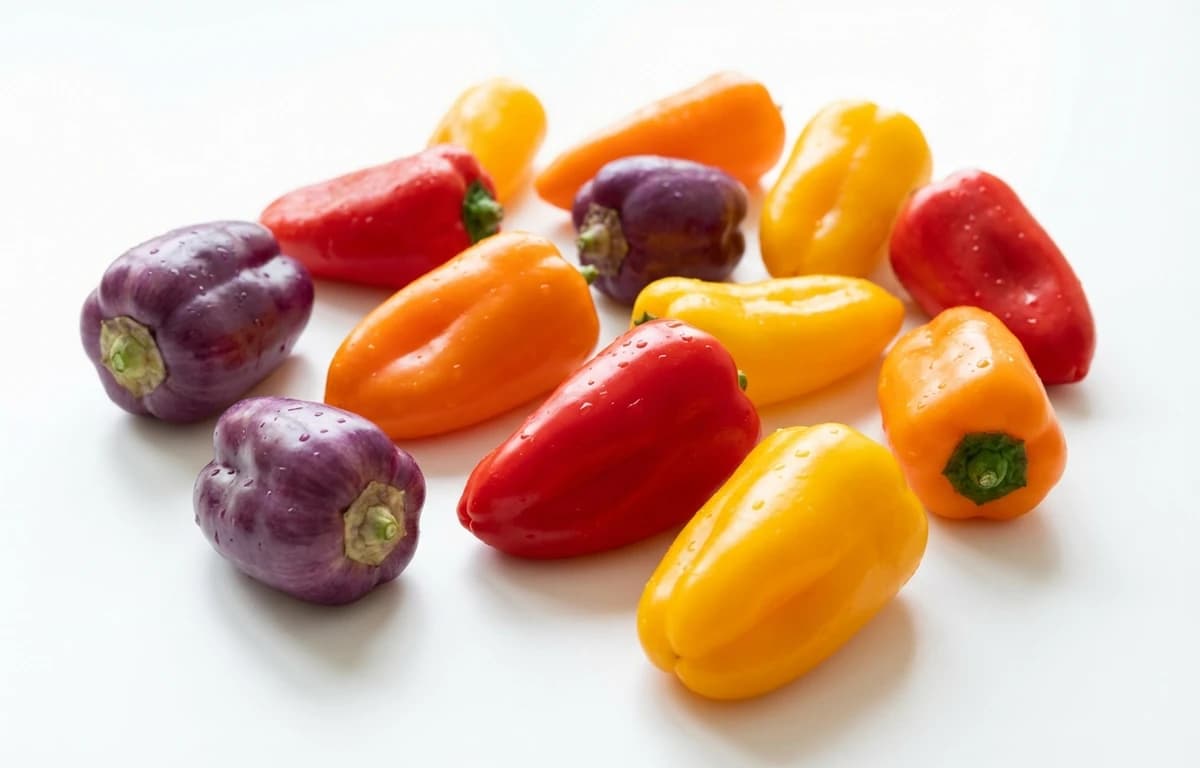
Small Capsicum is a versatile ingredient found in cuisines around the world. With 20 calories per 100g and 0.9 grams of protein, it's a nutritious addition to many dishes.
Explore more ingredients in the vegetable category with complete nutrition information.
View all vegetable →Discover 1 recipes featuring small capsicum with step-by-step instructions.
Browse recipes →Explore more ingredients similar to Small Capsicum.
The most-searched ingredients on CraftMyMeals.
Store small capsicums in the crisper drawer of your refrigerator in a plastic or reusable produce bag. Keep them dry, as moisture can lead to premature molding; they typically stay fresh for 1 to 2 weeks.
A fresh capsicum should be firm with smooth, shiny skin. If it feels soft, shriveled, or slimy, or if you see dark spots or mold, it has likely spoiled and should be discarded.
While the seeds are edible, they can be slightly bitter and have a papery texture. Most people prefer to slice the top off and remove the seeds and white membranes before cooking or eating raw for a better culinary experience.