
Loading...
Per 100g
Nutrition data source: USDA FoodData Central
Common measurement equivalents in grams
When stored in a cool, dry, and well-ventilated area, whole shallots can last for 1 to 2 months.
Yes, you can freeze chopped shallots in airtight bags or ice cube trays for up to 6 months, though they will lose their crisp texture.
The best substitute is the white part of green onions (scallions) or a small amount of red onion, though shallots are milder and sweeter.
Look for shallots that are firm, heavy for their size, and have dry, papery skins. Avoid those with soft spots or green sprouts.
Shallots have a more delicate, sweet flavor with a hint of garlic, making them superior for fine sauces, vinaigrettes, and delicate sautés.
In South India, they are a staple ingredient in 'Sambar' (a lentil stew), where they are often used whole to provide a distinct sweetness.
Yes, shallots are more nutrient-dense and contain slightly more calories and carbohydrates per 100g compared to regular white or yellow onions.
Chilling the shallots in the fridge for 30 minutes before cutting or using a very sharp knife can help reduce the release of irritant gases.
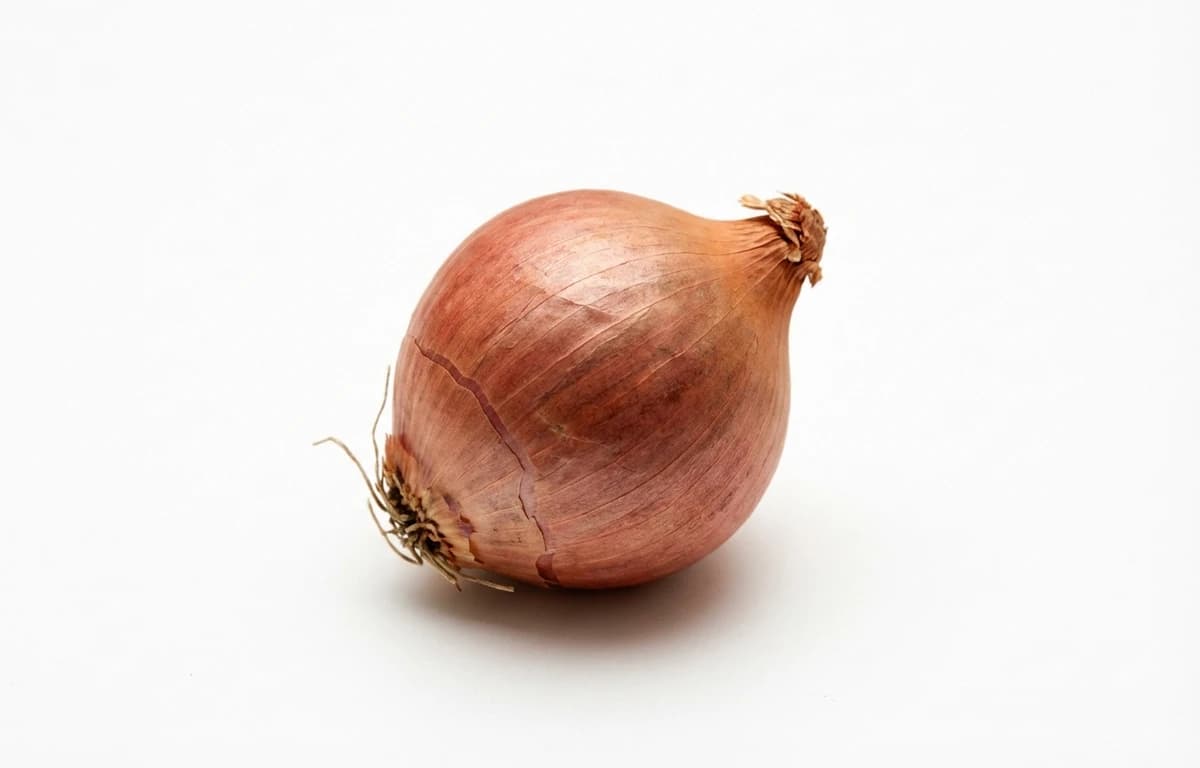
Small Shallot is a versatile ingredient found in cuisines around the world. With 72 calories per 100g and 2.5 grams of protein, it's a nutritious addition to many dishes.
Explore more ingredients in the vegetable category with complete nutrition information.
View all vegetable →Discover 1 recipes featuring small shallot with step-by-step instructions.
Browse recipes →