
Protein10 recipes
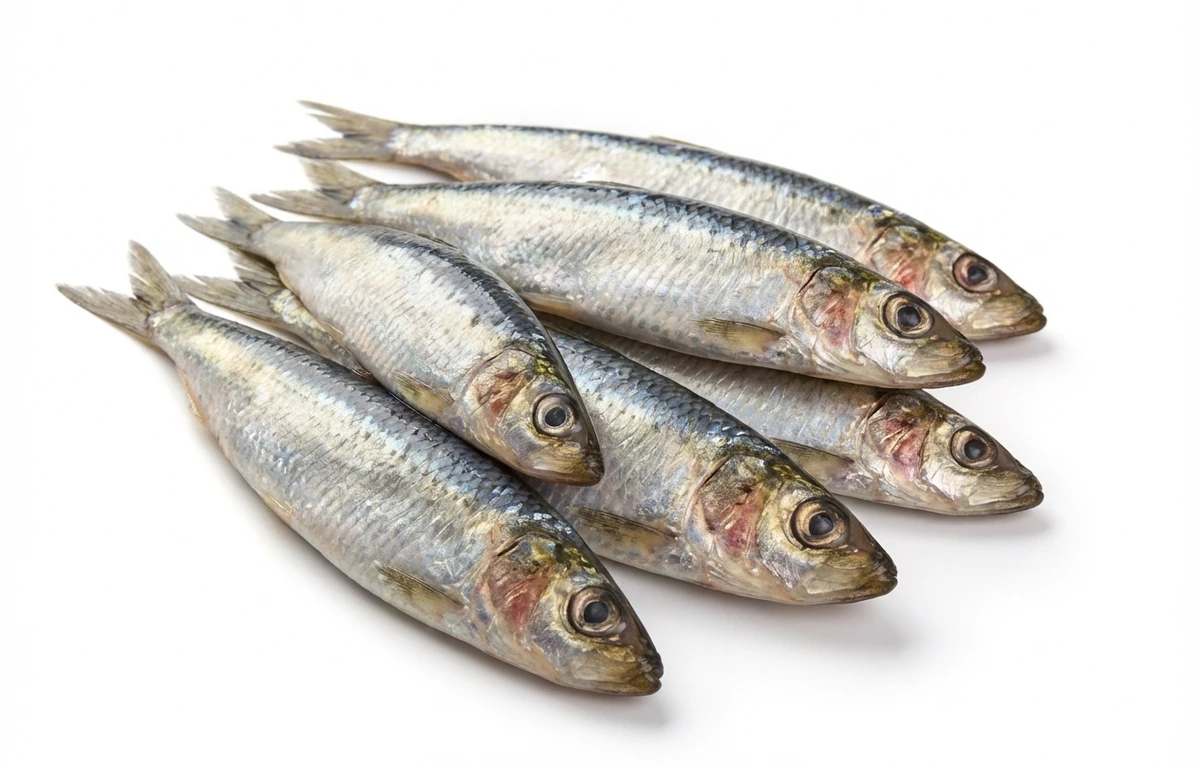
small whole fish.
VegetarianVeganGluten-freeDairy-freeNut-freePeanut-freeSoy-freeEgg-freeShellfish-freeHoney-freeAlcohol-free
ALSO KNOWN AS
mathiwhole sardinespilchardstarli
SERVING
CALORIES
208
PROTEIN
24.6g
CARBS
0g
FAT
11.5g
FIBER
0g
This ingredient is flagged as naturally gluten-free. Per 100 g, it provides 2.6 µg of vitamin K.
NUTRITION PROFILE · per 100 g
Everything in this ingredient.
MACRONUTRIENTS
Calories208kcal—
Protein24.6g49%
Carbohydrates0g0%
Fiber0g0%
Sugar0g0%
Total fat11.5g15%
Saturated fat1.5g8%
Trans fat0g—
Cholesterol142mg47%
Water59.6g—
MINERALS
Sodium307mg13%
Potassium397mg8%
Calcium382mg29%
Iron2.9mg16%
Magnesium39mg9%
Phosphorus490mg39%
Zinc1.3mg12%
Copper0.19mg21%
Manganese0.10mg4%
Selenium52.7µg96%
VITAMINS
Vitamin A32µg4%
Vitamin C0mg0%
Vitamin D4.8µg24%
Vitamin E2.0mg13%
Vitamin K2.6µg2%
Thiamin (B1)0.08mg7%
Riboflavin (B2)0.23mg18%
Niacin (B3)5.2mg33%
Pantothenic acid (B5)0.60mg12%
Vitamin B60.17mg10%
Folate (B9)10µg3%
Vitamin B128.9µg371%
%DV based on a 2,000 cal diet. Source: USDA FoodData Central. A dash in the %DV column means there’s no established Daily Value for that nutrient.
MEASUREMENT CONVERSIONS
How much is what.
1 oz28.4g
1 lb453.6g
1 piece25g
HEALTH BENEFITS
Why eat it.
- ✓Rich in Omega-3 fatty acids for heart health
- ✓Excellent source of Vitamin B12 for nerve function
- ✓High in Calcium when consumed with bones
- ✓Low mercury levels compared to larger fish
COOKING TIPS
In the kitchen.
- 1Grilling or pan-frying whole preserves the delicate texture
- 2Marinate with lemon juice and herbs to balance the oily flavor
- 3Small sardines can be eaten whole, including the soft bones
STORAGE
Keep it fresh.
- Store on a bed of ice in the coldest part of the refrigerator
- Use within 1-2 days of purchase for maximum freshness
- Freeze in airtight bags for up to 3 months
FAQ
Frequently asked questions.
How long do fresh whole sardines last in the fridge?
Fresh sardines are highly perishable and should be consumed within 1 to 2 days of purchase.
Can you eat the bones of small whole sardines?
Yes, the bones of small sardines are soft and edible, providing a significant source of calcium.
How do I know if the sardines are fresh?
Look for clear, bright eyes, firm flesh that bounces back, and a fresh sea-like smell rather than a strong 'fishy' odor.
What is a good substitute for fresh sardines?
Fresh anchovies, herring, or small mackerel are the best substitutes for fresh sardines.
Do I need to gut small sardines before cooking?
Very small sardines (under 3 inches) can often be cooked whole, but larger ones should be gutted and rinsed.
Are sardines high in mercury?
No, sardines are low on the food chain and have some of the lowest mercury levels among commercial fish.
What are the best cooking methods for whole sardines?
Grilling, pan-searing, and roasting are excellent methods that highlight their natural oils.
Are sardines sustainable?
Generally, yes. Sardines reproduce quickly and are often considered a more sustainable seafood choice.
RECIPES
Cook with small whole fish.
10 recipes · sorted by what’s quick



















